
Today we’re going to be talking about the best PS2 RPGs. First let’s get in to some backstory. The PS1 was the console that popularized RPGs worldwide. The PlayStation 2 continued this trend by pushing boundaries even farther, and cementing the genre as one of the biggest in the world. The DVD format allowed developers to basically make movies in video game format. For a genre that was focused on storytelling this really pushed things forward. The PS2 managed to amass a really large library and it included all of the biggest names. While a lot of these have been modernized some are trapped on the now archaic hardware. That’s why today we’ve decided to take a look at what’s still good. These are the top 30 best PS2 role playing games of all time. Let’s go.
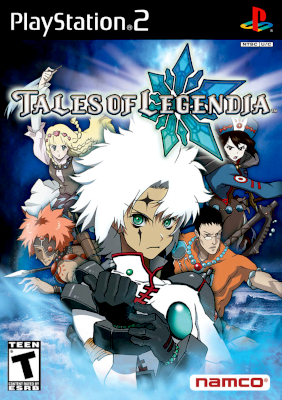
#30. – Tales of Legendia
Unfortunately the Tales of series has a spotty release history. This is especially true when talking about the PS2 games. Most were never localized. Namco chose some really random ones to bring over. Tales of Legendia in particular was a strange choice. The game has 3D graphics, but uses the classic two dimensional battle system of the older titles. It wasn’t even made by their main RPG studio. Regardless it’s a pretty fun game. The battle system is entertaining like it was in the older titles. It’s just a little clunky. The story is also a little underwhelming and doesn’t pick up any steam until you’re nearing the end of the adventure. If you’re a fan of Tales of Phantasia or Destiny this is a decent pick. There are however some good reasons as to why we placed it at the bottom of this list.
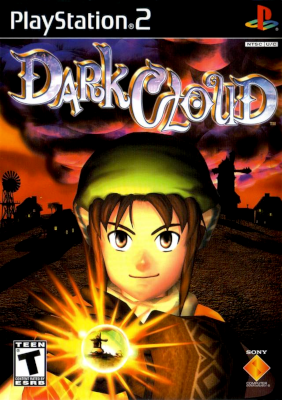
#29. – Dark Cloud
This was developer Level-5’s first game. It’s also one of the earliest PS2 RPGs, and the first one that had any kind of hype behind it. This one is an action RPG with some rogue-like elements. For one thing you have a thirst meter that depletes, and also your weapons break. These are a little frustrating in my opinion and kind of hold it back. Gameplay however is pretty fun. You’ll spend most of your time in dungeons hacking and slashing through foes. When your weapons aren’t breaking this is entertaining. There’s also a unique town building mechanic which reminds me of that in Soul Blazer. As you acquire energy called Atla you can restore elements in the town that were removed by monsters. It’s pretty fun especially because you get to determine the placement. Dark Cloud has lost some of its luster but it’s a good action RPG still.
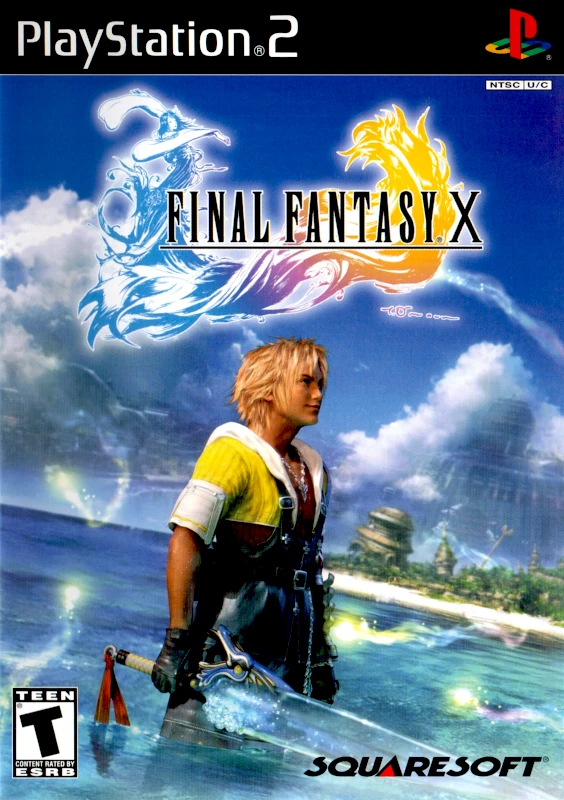
#28. – Final Fantasy X
Many will consider it sacrilege to put Final Fantasy X so low on a list of the best PS2 RPGs. Unfortunately at release the game did little for me. Even after returning to it recently the game’s issues still hold it back in my opinion. At the time of release Final Fantasy X was truly groundbreaking in terms of storytelling. Most of the game is voiced, and the cut scenes are obviously high production efforts. I really like the setting which takes kind of an indie-fantasy tone. The story is also great, and the graphics/soundtrack are incredible. Unfortunately the battle system isn’t as fun as in previous titles. Some strange mechanics lessen the experience. The sphere grid is your new means of character growth and it too is an odd choice that doesn’t work particularly well. There’s a great game buried here under bad decisions, but it’s still good.
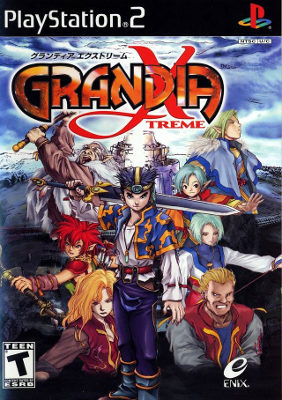
#27. – Grandia Xtreme
The first Grandia released exclusively on the PS2 is pretty different from the other installments. The battle system has been updated in some great ways. First of all now you have a circle gauge instead of a line showing whose turn is coming up. This takes up less estate on the screen and is very easy to read. There are also more abilities, and they have a variety of new effects in battle. The biggest change to the formula is that this one is a dungeon crawler. There’s only one town to explore and purchase new items in. Grandia Xtreme is, at heart, focused entirely around the dungeons. These are very well designed and fun to explore. The problem is that doing so quickly becomes a fair bit repetitive. Story isn’t as important as gameplay, but that doesn’t mean I want it to be a total afterthought.
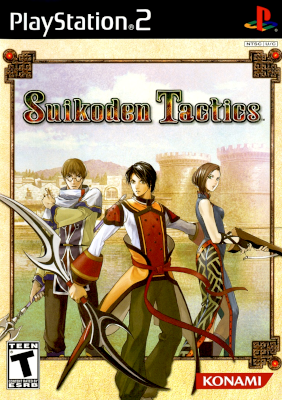
#26. – Suikoden Tactics
The Suikoden games have always had strategy battles within them. I guess Konami thought a release based entirely on these skirmishes would be good. They were right. Suikoden Tactics is clearly a side game in the series, but I love how it continues the story following part IV. This one plays in a fairly typical fashion for the strategy RPG genre. You guide characters over a three dimensional battlefield divided by a grid. You take turns with the enemy moving your characters around with each having their specific range for attacks. There’s an elemental system in place where the battlefields can be painted colors. Some characters get bonuses while standing on these, and others are hurt by them. Suikoden Tactics can read from your Suikoden IV save file and there are several bonuses awarded for doing this. The game is a lot of fun and a worthy Suikoden spin-off.
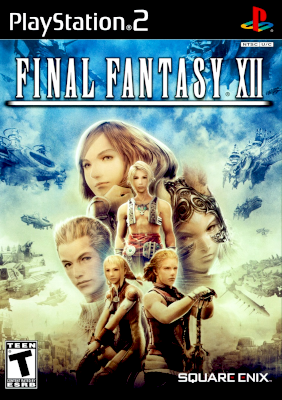
#25. – Final Fantasy XII
Like with FFX I’ve just never been a big fan of Final Fantasy XII. I can appreciate the high production values, storytelling, cut-scene direction, and soundtrack. It’s the gameplay that’s the problem. This one messed with the traditional battle system too much. Combat is mostly autoplay now. Outside of battle you manage gambits which control the actions of your characters. These settings determine when they attack, heal, etc. It’s fine, but in the end Final Fantasy XII feels more like an offline MMORPG than anything else. That’s not exactly a compelling design in my opinion. The game itself is good but nothing particularly special. I enjoyed following the story and listening to the music. It’s the battle system that’s the problem. Gaining levels is also not traditional via experience points. It’s like the sphere grid, but slightly better. It’s good, but I expected so much more from the franchise then.
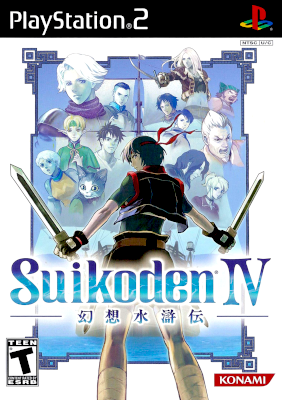
#24. – Suikoden IV
Many consider this to be the worst Suikoden game. I disagree. Suikoden IV is not without it’s major problems, but the gameplay (which is what counts most) is fairly solid. It returns the series to a more traditional experience. The battle system is strictly turn based, but this time around you can only have four characters in your party. That’s disappointing considering 108 different people join your cause. Travel is now done via ship (the setting is the Island Nations, so it makes sense) and army battles have been replaced with naval encounters. Unfortunately this one suffers from a few issues. It’s lacking polish. Suikoden IV feels very rough around the edges. The environments tend to be barren, ship controls are sluggish, and the encounter rate is extremely high. If you can look past these issues it’s a really good RPG. I just wish it wasn’t a prequel.
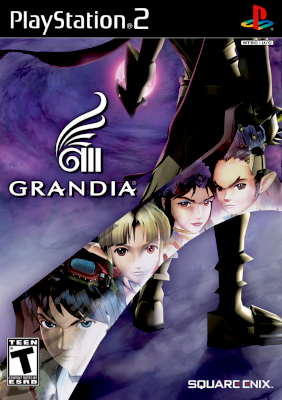
#23. – Grandia III
Each mainline entry in the Grandia series seems to get worse in my opinion. It’s not because of the battle system though. Grandia III builds even further on the mechanics introduced in Grandia Xtreme. It’s extremely strategic with turns outlined on a circular gauge. You have even more combat options here than before, and the cast of characters is fun to utilize in battle. The graphics and soundtrack are pretty good too. It’s the story that’s really lacking. While things start off fairly strong the plot putters out just a few hours into the adventure. It’s a shame because Grandia III does so many things right. For example it’s the first installment in the series that has exploration on the world map. The battle system, as I already mentioned, is amazing. A better plot could have rounded out the package for a more solid experience.
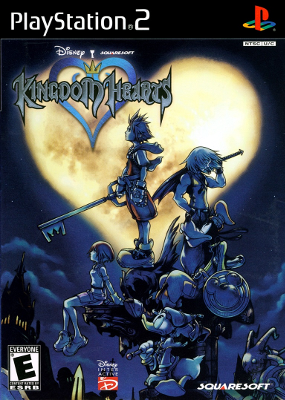
#22. – Kingdom Hearts
Back at the time of release the thought of Squaresoft and Disney teaming up sounded downright bizarre. Kingdom Hearts has since normalized the idea. This one is an action RPG where you play as a youth named Sora as he does battle with the Heartless. These are black monsters that basically lack souls. Most of the worlds you explore are based off of Disney properties. This includes the likes of the Little Mermaid, Aladdin, Pinocchio, Peter Pan, Tarzan, and more. It’s pretty bizarre how the developers adapted the plots to fit the game, but I really liked their approach here. Gameplay is fun, but eventually it becomes repetitive. Some of the worlds introduce new mechanics and this does keep things fresh, but they only go so far. Kingdom Hearts is good, but I feel like most critics gave in to the hype.
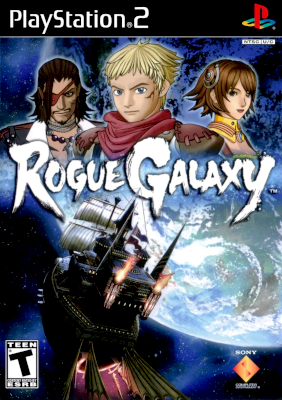
#21. – Rogue Galaxy
I guess that by 2005 developer Level-5 had decided that they had taken Dark Cloud as far as they could. Instead of making a third game they instead released a completely original action RPG. This was Rogue Galaxy. This one kind of reminds me of Star Ocean in some ways. It’s more of a pure action RPG however. This one has you traveling to different planets to advance the story, fighting monsters, etc. You know, the usual. I quite enjoy the battle system here. You have party members that act on their own. For the most part. You have team based abilities which you can trigger and these are a neat addition. You also have secondary weapons for each character. This adds several layers of strategy to the game because they can be depleted. Rogue Galaxy is easily one of the best original games from this developer.
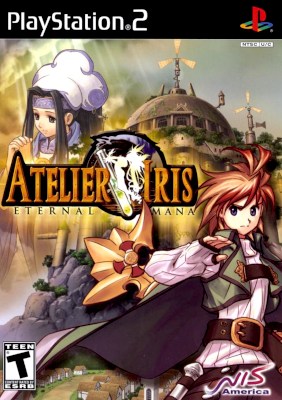
#20. – Atelier Iris: Eternal Mana
Atelier was a long running series up to this point. We wouldn’t know it however. Atelier Iris: eternal Mana was the first game in the series that was ever localized for English speaking audiences. Unlike most PS2 RPGs this one is completely sprite based. It utilizes an isometric point of view during exploration, but this too is strictly two dimensional. A the time of release I loved the fact that we were getting a classically styled role playing game on the platform. It’s still neat. Atelier Iris: Eternal Mana has you battling enemies in a traditional battle system, and outside of battle synthesizing items with the in depth alchemy mechanics. It’s lighter fare for sure, but the game has a lot of charm within. If you’re looking for something that doesn’t take itself too seriously, and aren’t adverse to heavy anime tropes then this one is a good pick.
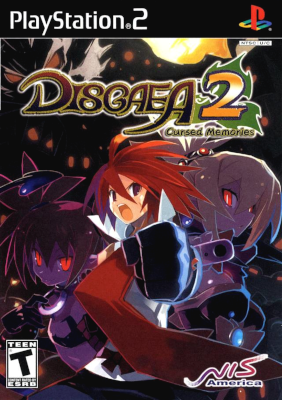
#19. – Disgaea 2: Cursed Memories
Disgaea was mostly a cult hit when it first released. This game was a strategy RPG with an isometric perspective during battle. The main talking points here are its sense of humor, and the sheer amount of detail and management within it. Disgaea 2 is mostly more of the same but with some welcome quality of life enhancements. It’s pretty typical Nippon Ichi fare at heart. It has a translation that often funny and over the top. The game has heart, and it’s a lot of fun to play. Some prefer this sequel to the original but that’s not me. Both are great games but the original had a more interesting story and felt less repetitive overall. Both are really cool regardless. It’s easy to get lost in the world of Disgaea what with its in depth mechanics, and part two is a great way to lose yourself.
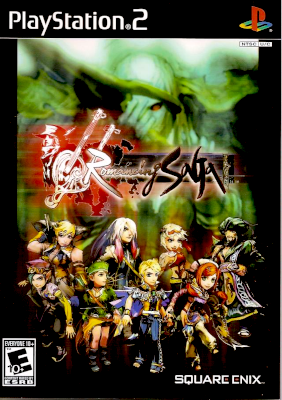
#18. – Romancing SaGa: Minstrel Song
What we have here is a remake of Romancing SaGa on the Super Famicom. I’ll start by addressing the elephant in the room. Minstrel Song is one ugly game. It uses an odd chibi style for its character designs, and this is really off-putting. I hated the art at first, and honestly, still do. Regardless the gameplay quality is undeniable. The original Romancing SaGa is somewhat of a hardcore RPG. This version redraws everything in 3D and adds some good quality of life changes to the experience. Minstrel SaGa is still no cakewalk though. It features a semi-open world premise. You can travel far and wide, but you might wander into an area where the monsters will overwhelm you. Combat is fairly traditional but has some unique quirks. Final Fantasy it ain’t, but Romancing SaGa is worth playing.
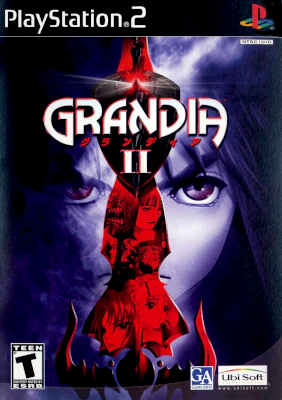
#17. – Grandia II
Like the first Grandia was ported to the PS1 so too was its sequel, but on the PS2 this time around. Grandia II tells the tale of a mercenary that gets swept up into a quest to save the world. It relies heavily on anime tropes but this one is much darker than the original. Both games that followed part II had serious issues with their narratives. That’s not the case here. Grandia II has a fairly compelling story even though it doesn’t match that spirit of the original. The highlight however is in the combat system. Battling enemies in Grandia II is a real treat. The action is turn based, but you have a meter on-screen to show you whose turn is coming up next. Using this information you can cancel out enemy attacks with specific strikes. You can even just stall them by hitting the right foe.
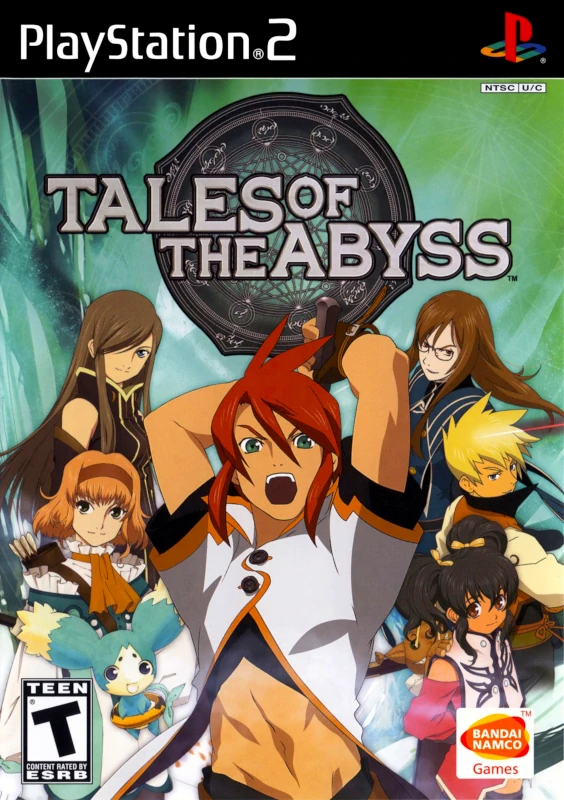
#16. – Tales of the Abyss
Tales of Symphonia was the first proper 3D installment in the series. Thing is, that released on the Gamecube, and today we’re talking about the PS2. What I’m leading in to is Tales of the Abyss. This was Team Symphonia’s second title, and while it’s not a direct sequel it is indeed the follow up to the Gamecube RPG. It utilizes the same mechanics as its predecessor. Battles are fully 3D but you move in real-time on a two dimensional plane. The battle system is a ton of fun with a lot of interesting scenarios and special moves. To be honest the story comes off as a little whiney. It’s still a fun tale to follow, but the characters aren’t particularly likable. That’s forgivable however because the combat engine is fun and quite smooth.
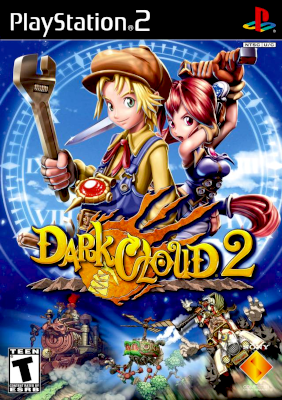
#15. – Dark Cloud 2
Level-5’s first sequel builds on the original in some pretty good ways. Unfortunately some of the changes are questionable, but Dark Cloud 2 is undeniably better than the first one. The first thing you’ll notice is that the game has some absolutely beautiful cel shaded graphics. It looks more like a cartoon, or to be more specific, an anime show. Combat is still strictly action based, but are governed by several RPG mechanics. Weapons break (like they did in the original) but now they don’t completely disappear, and can be repaired. Dungeons this time around are procedurally generated. That means things are random. These are okay but honestly the whole premise kind of takes away things like puzzles and nothing feels tightly designed. I do however love the graphics and the gameplay. Dark Cloud 2 is great, and serves as a worthwhile sequel.
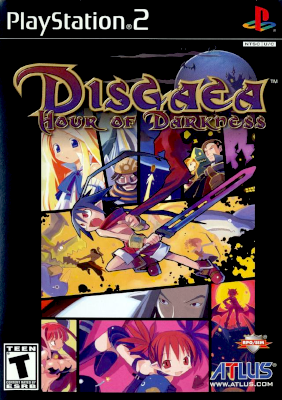
#14. – Disgaea: Hour of Darkness
We talked about this game’s sequel, and now it’s time to get into the original. Disgaea is a super detailed and in depth strategy RPG with some fun underworld tones. There’s also anime tropes. If you’re not cool with those then Disgaea will just annoy you. This one is a strategy RPG that at first appears very traditional in nature. From an isometric perspective you guide your party of characters to do battle with foes. Placement is everything here. That comes with the territory after all. There’s a cool combo system and flashy spells which still look nice even today. What can I say? If you haven’t already played Disgaea: Hour of Darkness then the PS2 version is a good place to start. Honestly the game has been released on so many platforms by now you can’t really go wrong with any version.
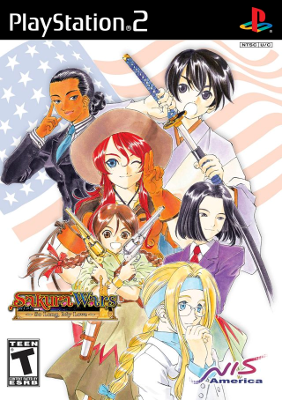
#13. – Sakura Wars: So Long My Love
Despite the name this is actually the fifth installment in the series. This is Sakura Wars 5, and it’s weird that the publisher was trying to avoid calling it that. I suppose maybe it’s because this is also the first game in the franchise to be released in North America. Regardless this is another strategy RPG but it’s quite different from most others. By day you manage (and flirt with) a troupe of theater performers. When night falls you don mecha armor and do battle against demons with the actors you manage. Combat has real-time movement and 3D graphics. As affections rise between the characters you gain various bonuses mid-battle. The characters can even combine for more powerful attacks. That is, if they like you. The dating sim elements are a bit strange, but what’s even more weird is they make sense here.
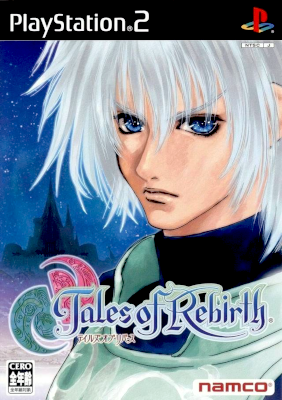
#12. – Tales of Rebirth
Unfortunately Tales of Rebirth never had a North American release. It’s a pre-Symphonia game so I imagine Namco just had no faith it would sell in the West. Or maybe we were left out because the character graphics are two dimensional. Either way Tales of Rebirth has been fan translated for us all to enjoy now. Tales of Rebirth uses one of my favorite versions of the classic series’ battle system. It has multiple planes to travel across like Symphonia, but it’s more straight forward in this approach. There are some new features such as the Rush Gauge for example. This allows you to temporarily increase your attack power at the expense of defense. The stakes are pretty high regarding this because this is not an easy game. Tales of Rebirth is one of the most difficult installments in the series. That’s one of the reasons I love it.
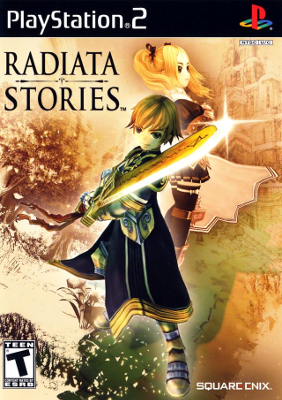
#11. – Radiata Stories
Star Ocean 3 from developer Tri-Ace had a ton of problems. One of these was that the game took itself too seriously. With Radiata Stories Tri-Ace took the opposite approach. With this release they made an RPG rife with humor that almost never takes itself at face value. At first I thought this one was a little try-hard, but after a few hours I found myself laughing along with it. Radiata Stories uses the same real-time battle mechanics that the developer is known for. During combat you can move freely around three dimensional environments, and attack your enemies in semi real-time. It feels like a variant of the battle system in Star Ocean 3, but without any of the major problems that one suffered from. Radiata Stories is fun, and I love that it doesn’t take itself too seriously. Or at all, really.
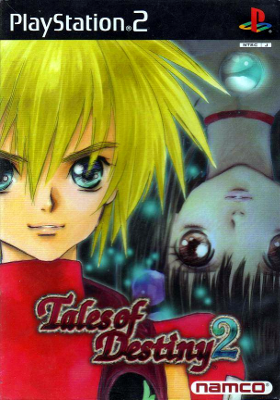
#10. – Tales of Destiny 2
This one is a very confusing release. Tales of Eternia was released as Tales of Destiny II in North America on the PS1. The real Tales of Destiny 2 was released in Japan-only on the PS2. Now that this is out of the way let’s dig in to the game. Tales of Destiny II is a direct follow up to its predecessor. Here you play as the son of Stahn (the hero from the first game) several years later following information regarding the death of his father. The plot is typical Tales, but that’s not bad as long as you can look past anime tropes. The graphics are absolutely beautiful with great sprite work, and the soundtrack is fantastic. There have been no drastic changes to the battle system but I do appreciate that the difficulty was tuned up. Unfortunately you’ll have to use a guide to play this one.
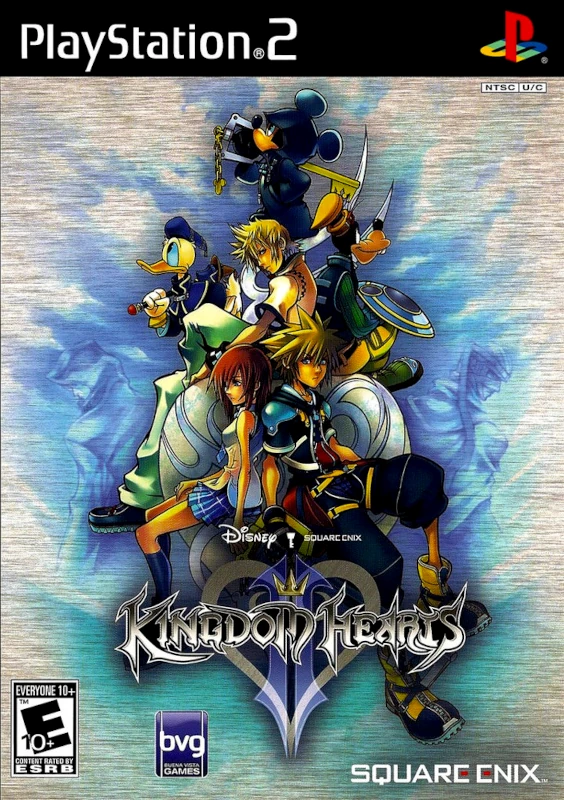
#9. – Kingdom Hearts II
The first Kingdom Hearts release was great, but it had some obvious problems. Kingdom Hearts II manages to fix several of these issues while adding several new gameplay features. The end result is a much more rounded and overall better package than its predecessor. Unfortunately it serves to further convolute the story, but who really cares about the narrative in Kingdom Hearts anyway? I will say that the opening sequence is overly long, and quite lackluster however. Kingdom Hearts II features more Disney based worlds that are bigger and ultimately better. Unfortunately some of these are repeated, but the developers didn’t simply recycle the stages. They re-invented them often by having entirely different mechanics govern these areas. Kingdom Hearts II was a bit more panned at release than the first one, but I think that’s because people were only just then discovering the underlying problems of the franchise.
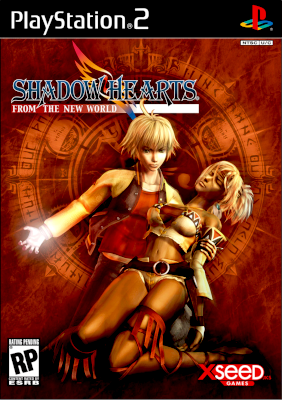
#8. – Shadow Hearts: From the New World
Shadow Hearts: Covenant was one of the big surprise hits on the PS2. The game had very little hype but received tons of accolades once critics actually played it. From the New World got even less recognition despite easily being one of the best PS2 RPGs. The game is fairly traditional to RPG standards, but it doesn’t follow them to a tee. The main difference between this game and something like Final Fantasy is a mechanic called the judgement ring. To successfully perform attacks you have to perform timed button presses indicated by said mechanic. It worked well previously, and still does here. There’s also character sanity which has to be managed. Each turn characters lose one sanity point and when they’re all out they can no longer be controlled. Shadow Hearts: From the New World is surprisingly good for a game that almost no one played.
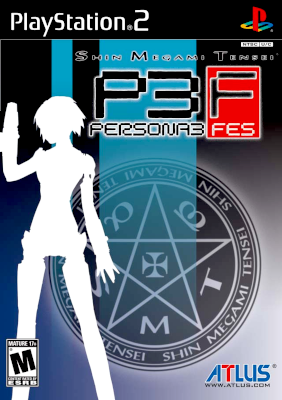
#7. – Persona 3: FES
This is the generation that Persona really took off. It came out of its dungeon crawler roots and leaned more heavily into the anime aesthetic. It also had really cool music and a dark brooding art style. You play as a young man attending school in Japan by day. By night the protagonist and his friends band together to do battle against demons in a giant shadow tower called Tartarus. The school part plays a big role because it is here where you make friends with the other characters. These are referred to as social links. Increasing your familiarity with the other students gives you various bonuses as well as information on sidestories. It was a fun game. FES is an expanded version of the original release. It has a new epilogue, additional characters, and more difficulty options. This is the version you want to play.
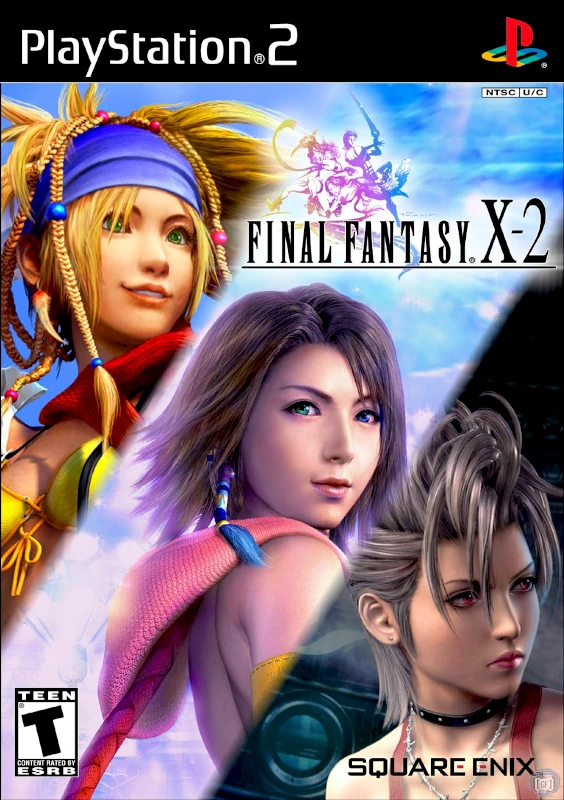
#6. – Final Fantasy X-2
Despite being a little lukewarm on vanilla Final Fantasy X it’s unexpected sequel immediately won me over. Squaresoft wasn’t exactly in the habit of making direct follow ups to their mainline FF titles. That’s why X-2 was a big surprise. It follows the story of Yuna after bringing peace back to Spira. A lot has changed since then. Now she’s a pop star, I guess? The story is quite lackluster but it’s a lot of fun. The biggest changes come to the combat system. Gone is the forced character switching mechanic, as well as that terrible sphere grid. Final Fantasy X-2 is closer to a traditional release in the franchise. It even brings back the job system with some new twists. It’s called dress spheres here, and all three members of your party can change these on the fly during battle. This is a fantastic game.
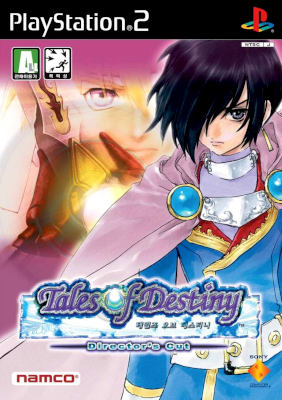
#5. – Tales of Destiny: Director’s Cut
Here’s yet another Tales game that we didn’t get in the West. In this case it’s a remake of the PS1 Tales of Destiny. Namco really outdid themselves with this release. Not only did they completely redraw all of the sprite based characters, profiles, etc but they also updated the 3D graphics as well. The end result is one of the most beautiful PS2 games of all time. The story has been expanded in some thoughtful ways too. Fortunately the biggest updates were made to combat. The original Tales of Destiny was a little clunky to be honest. This update smoothens things out allowing for elaborate combo attacks and aerial juggles. At it’s heart it’s still the same battle system, but turned up to eleven. I’m just thankful that this one has a solid fan translation available for those that want to play it.
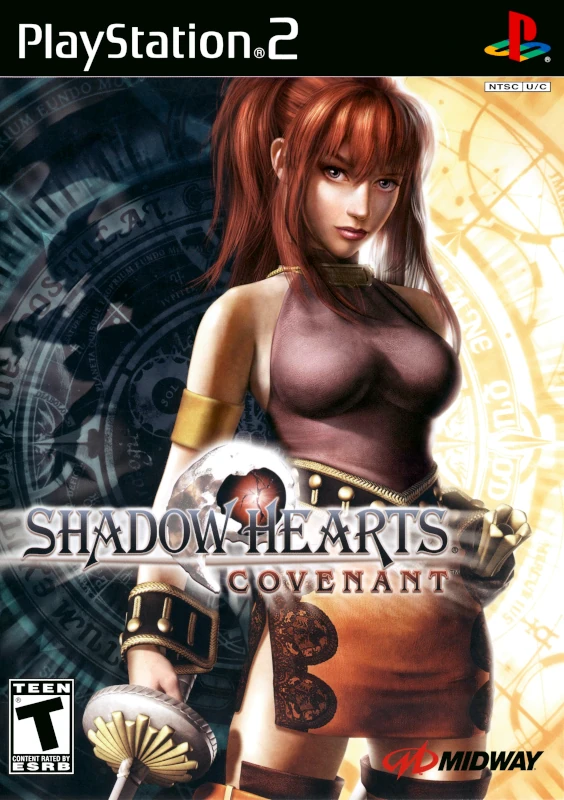
#4. – Shadow Hearts: Covenant
The original Shadow Hearts was okay. It felt like a PS1 era RPG with really good graphics if I’m being completely honest. This sequel absolutely shattered all expectations. Shadow Hearts: Covenant is the real deal. It has a dark and brooding story that’s surprisingly fun. There are also tons of well designed areas to explore. The highlight though, as with any Shadow Hearts game, is in the battle system. Attacking foes is dictated by the Judgement ring. A pointer glass moves around it automatically, and it’s your job to stop it at just the right spot. Accuracy with this can result in stronger attacks, but a total miss will basically negate the attack. Many other role playing games use similar timing mechanics but it’s pulled off best here. Shadow Hearts: Covenant deserves all of the accolades it received at release. I just wish the series was still active.
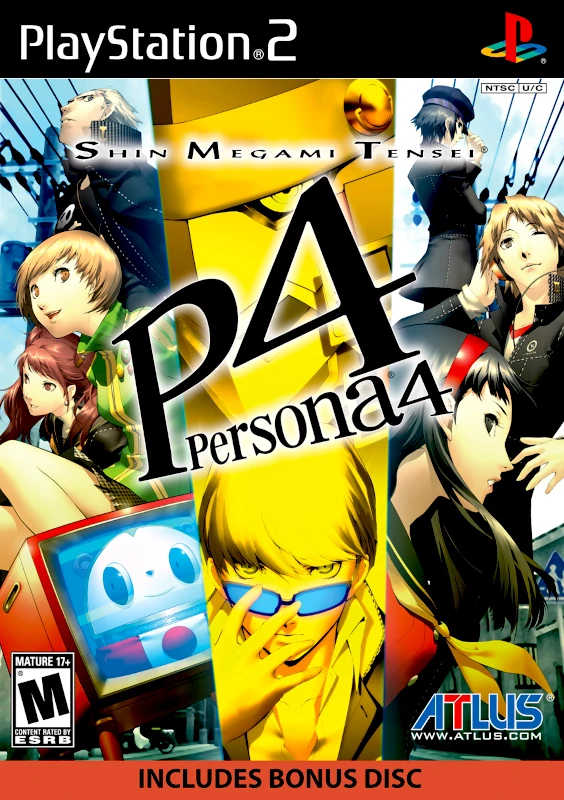
#3. – Persona 4
After part 3 finally made a name for the Persona sub-series outside of Japan Atlus had to follow it up in a big way to maintain momentum. They managed just that. Persona 4 is better than its predecessor in just about every way. This late PS2 release took the formula and introduced better dungeon designs (although they’re still randomly generated). Another improvement is the story and cast. It made dealing with the social links a much more enjoyable affair. There are several other quality of life improvements like a better and more stylish interface. The battle system is a ton of fun as you coax demons to join your cause, and then fuse them into more powerful entities. The gameplay is addictive, story is fun to follow, and the graphics are phenomenal. Oh and Persona 4 has an amazing soundtrack. Let’s not forget that part.

#2. – Dragon Quest VIII: Journey of the Cursed King
This release was perhaps the most hyped I had ever been for a new Dragon Quest game. For the first time in a long while the graphics were hugely updated and this was one of the best looking PS2 titles. The cel-shaded art style fits the Dragon Quest world extremely well. Despite being one of my least favorite games in the series Journey of the Cursed King is undoubtedly a king among PS2 RPGs. It has all of the classic nuances in the franchise. It’s more difficult than your standard RPG, has all of the same old monsters we’ve come to love, and an in depth skill system. Unfortunately the job system didn’t make the cut this time around. The high point here is actually exploration. The world map is absolutely gigantic and surprisingly seamless. There are some loading screens, but just how big the environments are is truly impressive.
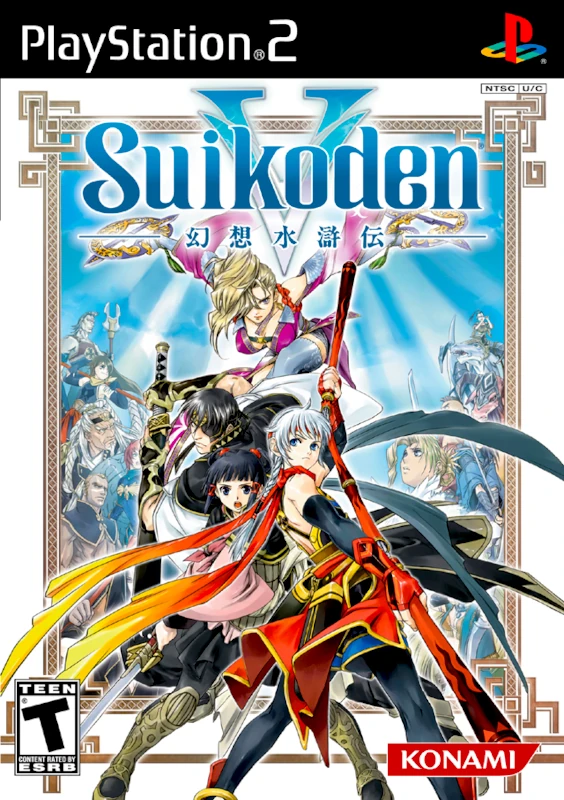
#1. – Suikoden V
The Suikoden series was in a weird place on the PS2. After losing it’s way, and coming back, things just weren’t the same. Konami was experimenting too much with the formula. Suikoden V corrects the ship by leaning heavily on classic series standards. It uses the classic battle system the series is known for, features a large world map explorable on foot (not on ship), and has one of the most compelling stories of any RPG. The graphics are a bit lackluster, but I had no trouble looking past this. War battles have been updated in a unique way now taking on real time strategy elements. This works surprisingly well. This release showed that Konami still had what it takes. Unfortunately it would be the last mainline Suikoden release. That’s a crying shame. This is not only the second greatest sequel in the franchise, but also the best PS2 RPG.
