
The topic today is Sega Master System RPGs. Outside of Phantasy Star very few of them ever made a huge splash. That’s why most of us have never heard of many of them. It also didn’t have a whole lot to offer in this genre. Luckily, for those interested (and if you reached this article I’m betting you are) we’ve decided to compile the best ones in one list. We’ll get to that in a minute.
So why didn’t the Sega Master System didn’t have more role playing games? I’m guessing it’s because it simply wasn’t as popular as the NES. The competition had all the big start up franchises, and Sega basically had to rely mostly on their own studios output. That’s no fun. Still, there are some good ones so let’s get started with the list. These are, in my opinion, the Top 10 Best Sega Master System RPGs of all time.

#10. – Ultima IV: Quest of the Avatar
We’re kicking off the list with something positively archaic. Even for me. The Ultima series is one of the most well known early pioneers in the genre. The computer games, that is. Western style RPGs have a questionable history on home consoles. Especially in the good old days. So how does the Sega Master System version of the first Ultima stack up? It’s okay. Honestly we’re digging a little from the bottom of the barrel this low on the list. The topic is Sega Master System RPGs, after all. Let’s not shoot the messenger here.
Ultima IV is however really refreshing compared to the JRPGs that dominated the marketplace at the time. Battles are turn based, but timing is more important here. If you take too long enemies will take their turn. Gotta go fast, as Sonic would say. In a rather interesting twist the plot isn’t based around a party of characters banding together to save the world. Instead it’s based heavily on a morality system with several different virtues in play. Your goal is to become a good person, and a warrior. All rolled into one. That’s easier said than done. I really enjoyed this aspect of the game. That, and the open world nature and scaling enemies (which in this case is a good thing) make Ultima IV an interesting quest to partake. It’s clunky, ugly, and a little weird, but Ultima IV is kind of neat.
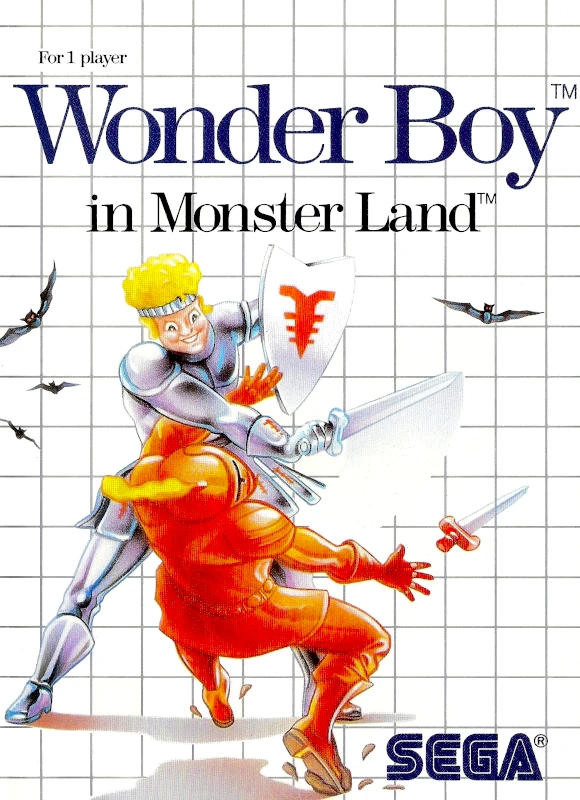
#9. – Wonder Boy in Monster Land
An arcade RPG? Sounds like a disaster, right? Now hold on. The first Wonder Boy was a straight up action platformer. It was simple yes, but it had some redeeming qualities. The first sequel, Monster Land, completely changed things. It’s all for the better too. Instead of mindlessly slaying helpless animals you now collect money, upgrade equipment, learn magic spells, and more. It’s an RPG. I don’t care what the haters say. The game is also a major upgrade in several ways. Gameplay is more interesting and the upgrades are thoughtful. You’re still limited by a timer, but finding hourglasses replenishes it. This is an arcade game, after all. You can’t just sit there.
When I say this game is different from the original I really mean it. Rather than playing as some weird island boy you’re now a knight. Throwing hatchets is now a thing of the past. You’re armed with a sword now. There are also town areas now, and these contain within them and NPCs populate these areas. Plus, there’s a smoking pig running a shop. Gotta love it. You basically run and jump through several stages slaying monsters and collecting money. What’s most interesting about this game is there are a few sections where you’re given dialogue choices. These can have significant effects. In once instance your response determines whether or not you have to fight the boss of the area. How cool is that? Wonder Boy in Monster Land is a pretty good game.
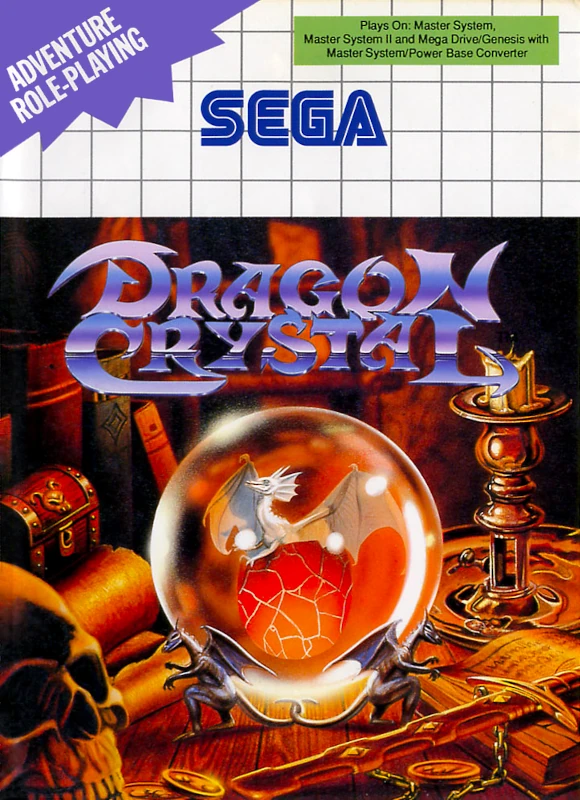
#8. – Dragon Crystal
You know all of those rogue-likes all the kids are playing? Well Dragon Crystal is just like those, but this one is going to make you its girlfriend. It’s that tough. It’s also old-school in the same way all the modern ones pretend to be. There’s no tutorial, you can’t see most of the map, items have no descriptions, stages are randomly generated, and enemies chase you down. Every aspect of this game is turn based. Enemies move when you do, and your character attacks them automatically when encountered. Dragon Crystal doesn’t hold your hand, and it doesn’t pretend to like you. The game hates you, and regularly punishes the player.
You know what though? I can’t get enough of it. Maybe I’m a glutton for punishment This overhead role playing game was really unique for its time. I love the fact that everything is randomized. Each time you play Dragon Crystal you’re in for a different experience. The game is displayed from an overhead perspective and your basic goal is to find the exit in each stage. Turn based combat is rather shallow. It’s the planning that requires some strategy. Your character automatically attacks foes. You need to figure out what you can handle, and exactly what the items do so you can find one that will help in these encounters. The big drawback is you can’t save your progress. There isn’t even a password system. The game can take a few hours to complete. Good luck doing that in one run. What the heck, Sega?
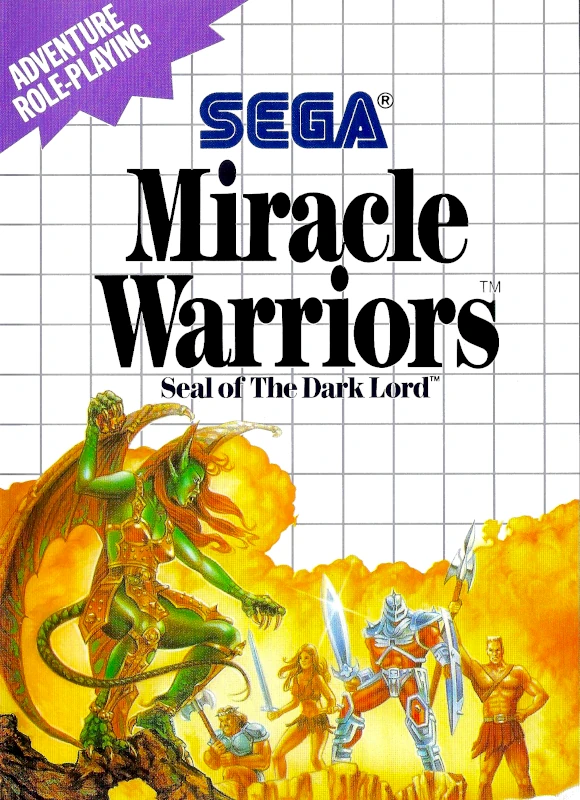
#7. – Miracle Warriors: Seal of the Dark Lord
Miracle Warriors? What the heck is up with that name? Yeah, it’s weird. Despite the name Miracle Warriors is pretty decent. It just doesn’t care about your feelings. The game is hardcore in that your weapons break in combat, and you can easily get lost on the map. Progressing in the game is also really vague. If you don’t plan ahead you’re going to have a bad time. Miracle Warriors has that classic early RPG jank that makes it really hard to get into initially. You have two views as you play. One shows an overhead map, and the other a viewpoint from behind your character with the scenery in the background. This is how you move, and it’s very unintuitive. As you walk around enemies get in your path, and you have to fight them. Simple enough, right?
The biggest thing working against Miracle Warriors is that it feels like an early Computer role playing game. The interface is clunky, there’s no indication on what some of the items do, and enemy encounters occur pretty frequently. Once you get over the shock of all this the game is at least a little fun. Be forewarned that this quest is rather grindy. You’ll want to hang around towns so you can heal while fighting battle after battle. It’s really repetitive, but it’s an 8-bit RPG. What did you expect? I had fun with Miracle Warriors, but it’s clearly not for everyone.
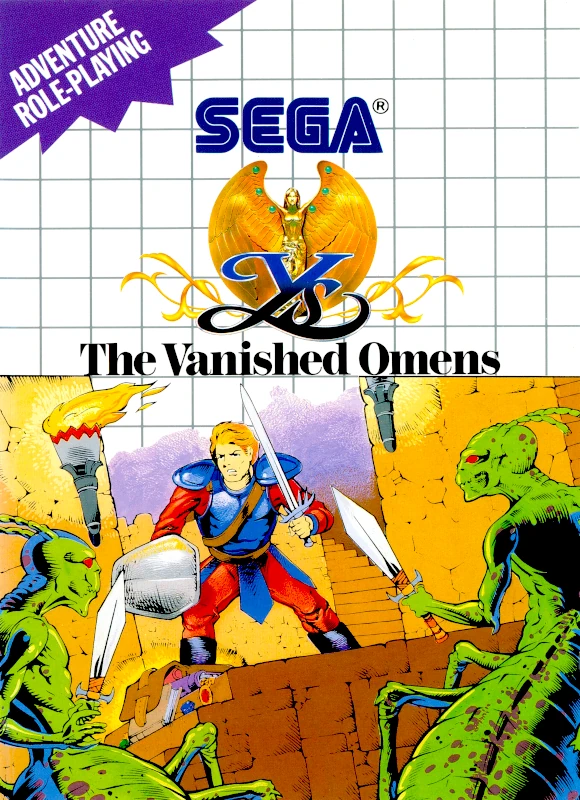
#6. – Ys: The Vanished Omens
It’s Ys, it’s here, and it isn’t ever going away. You always hear about Ys: Book I & II on the TurboGrafx-CD but no one seems to mention the Sega Master System release. Maybe that’s because this is just Ys I. Maybe not. Regardless the original game came out on the Sega Master System too. It isn’t as pretty, nor is it as fun, but it’s still Ys darn it. The Vanished Omens stars the red head hero Adol Christian who sets out to find the titular book. Why? Supposedly this will save the land from certain doom. I’m not quite sure how that one works. Regardless there’s a fair amount of dialogue and story exposition. In this sense it’s pretty impressive for an 8-bit RPG.
Ys: The Vanished Omen is an action RPG. It’s one of the few on the Master System. Now here’s where it loses most people. You don’t simply swipe your sword. Instead you ram foes. You have to walk into them at just the right angle to cause damage otherwise Adol takes the hit. It’s weird and takes some getting used to, but the gameplay is actually pretty fun. Unfortunately in this version the pacing is all off. There are vast amount of space where you’re just walking. Going for a stroll isn’t exactly my idea of fun in a game like this. Overall it’s good, but the experience is a little dated. If you want a classic action RPG then Ys on the Sega Master System is a decent choice.
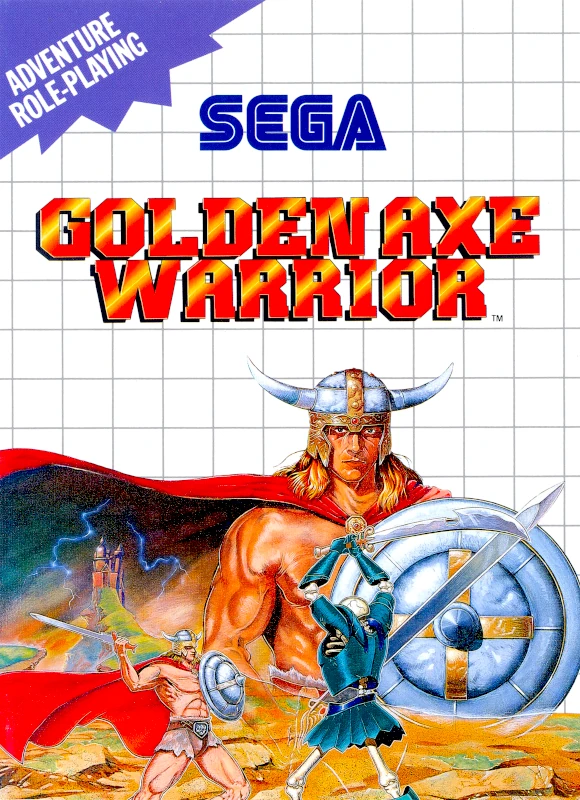
#5. – Golden Axe Warrior
I don’t like the Golden Axe games. Never been a fan. Golden Axe Warrior though? Yeah, this one is actually good. We’re cheating a bit by including this one here. It’s not a straight up RPG. This one is more of a Zelda clone. We’ve included it here because it’s going to scratch the role playing itch. Like Zelda you view the world from an overhead perspective. You walk around an overhead map containing within it both dungeons and town areas. What’s neat is that the main character can use both a sword and an axe and both of these weapons are upgradeable. On top of these you have tools like in Zelda, and even magic spells. As far as clones go this one is really good. It follows the source material fairly closely but at the same time feels like its own thing.
First of all this world is amazing. I think it’s even more interesting to explore than Hyrule was. That’s saying something. It’s a bright high fantasy world with secrets around every corner. The dungeons, while comprised of single screen rooms, are really cool too. I especially love the enemy patterns and their attacks. The boss encounters are generally very challenging and some of them have you dodging screens full of projectile attacks. Yikes. Golden Axe Warrior drew me in, and didn’t get its mitts off of me until I collected all magical crystals and put Death Adder out of his misery. This one is hard to find, but it’s well worth the effort.
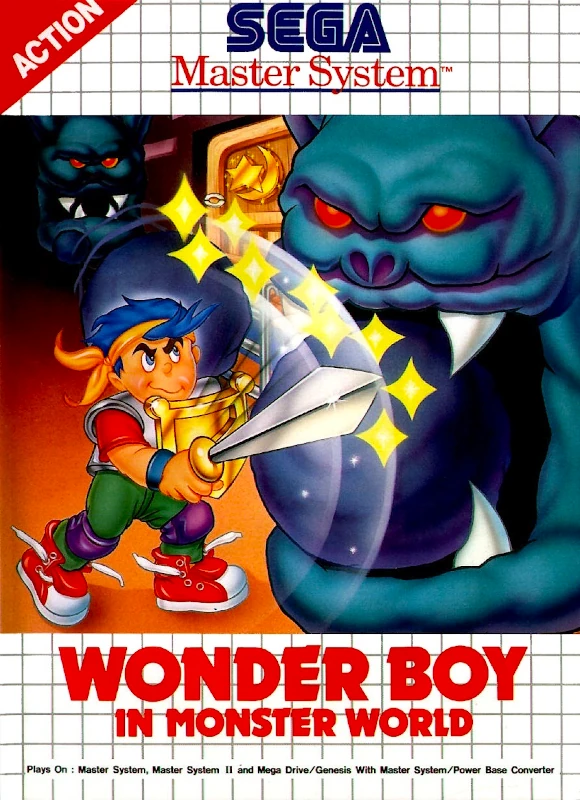
#4. – Wonder Boy in Monster World
Wait, didn’t we already list this game? Nope. That was ‘Land’ not ‘World.’ Phew. Unfortunately this version of the game only came out in PAL regions on the Master System. Like its predecessors this is a side scrolling action RPG. First of all the graphics are incredible. This version looks surprisingly close to the Sega Genesis release. It’s bright and vibrant, and there’s a lot of fantastic sprite work. Even some of the backgrounds have animations. These look amazing for the hardware. In Monster World (Yeah, I’m done typing out that full name) you play as a warrior named Shion. He can jump and do all the classic hacky and slashy stuff that we’ve come to expect in this series.
The only thing that holds this one back is that it’s no longer open world. Sorry Dragon’s Trap fans. Instead this title is structure more like Wonder Boy in Monster Land. That’s not a bad thing. Progression is linear but the game handles it extremely well. This is thanks to the variety in level designs. Many areas are mechanically different, and the graphics vary significantly. There’s a lot of variety here. Much more than in your typical Sega Master System title. Wonder Boy in Monster World might be better on the Sega Genesis but you can’t go wrong with the SMS version. I just wish it was a little longer. RPGs should take more than a few hours to complete after all.
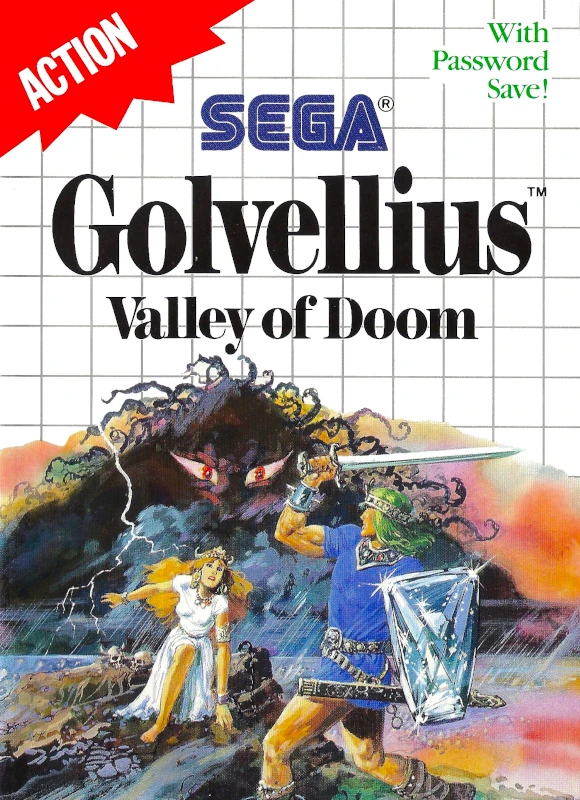
#3. – Golvellius:Valley of Doom
Here we have another Zelda-like. Can’t get enough of those now, can we? Golvellius is a little different from the pack however. It’s similar in how the overworld is presented. You view this area from a top down perspective, and walk around slashing enemies with your sword. What’s interesting is how the game handles dungeons. The game doesn’t have traditional entrances. Instead you have to defeat enemies and destroy elements in the environment. Sometimes this leaves holes in the ground. Dropping down into these takes you to dungeons, shops, and more. It makes the game feel less linear, and at the same time, like there’s a lot to discover here.
Now, what’s really interesting about Golvellius is how these dungeons are handled. These aren’t your traditional Zelda style labyrinths. Instead they are side view with platforming elements. Your main means of attack is still swiping your sword, but now it’s more like an action RPG platformer. The mix of gameplay styles does Golvellius some favors. It helps keep gameplay fresh throughout the adventure. They’re also quite fun. Golvellius may be a little light on the RPG elements but it just barely eeks into this list. It’s a fantastic game that’s worth playing. Yes, even despite the laborious password system.
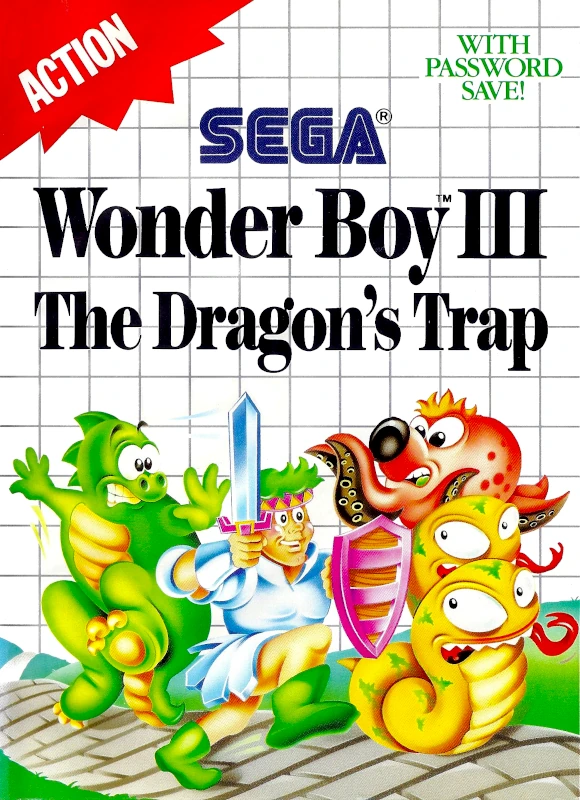
#2. – Wonder Boy III: The Dragon’s Trap
Here we have it; the best Wonder Boy game, on the Sega Master System that is. Wonder Boy III: The Dragon’s Trap is amazing. The game begins as you play through a simplified version of the final stage in the last game. Right from the start you know you’re in for a good time. After this retelling of events the real game starts. Your character is transformed into a dragon, and gameplay becomes entirely non-linear. It’s like a Metroidvania. You gain additional forms that have abilities which allow you to open new ways forward. There’s a lot to see and do, and you’re allowed to tackle this in whatever order you want.
Gameplay remains consistent with the rest of the series despite the open world design. This means Dragon’s Trap is a side scrolling action RPG. You hack away at enemies, collect money, and purchase items in shops. It has all the classic trappings of a Wonder Boy game, but with open world exploration and transformation mechanic. Each area is a joy to explore. The enemy placements and patterns are thoughtful, and far from mindless. I also really like all of the different terrain you’ll travel across. The world feels interconnected and is very well designed. That’s the main reason why this is one of the best Wonder Boy games of all time.
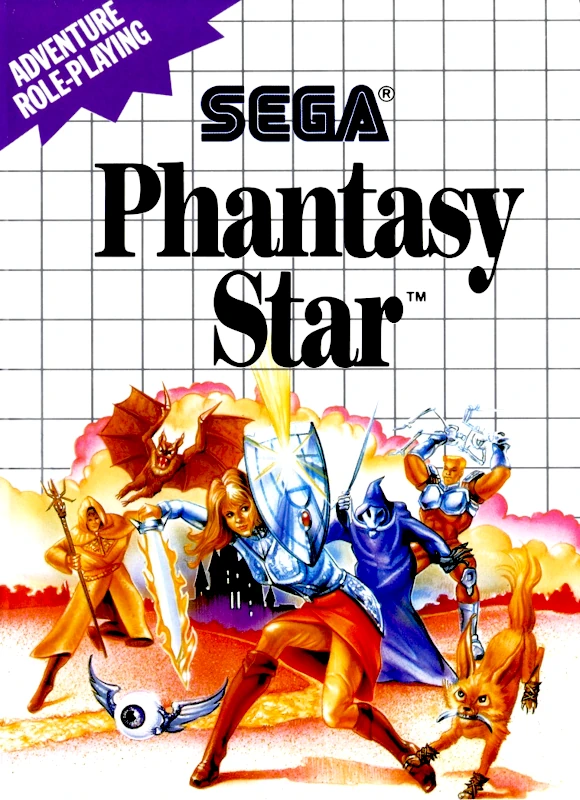
#1. – Phantasy Star
Phantasy Star is synonymous with Sega Master System RPGs. It was Sega’s answer to Final Fantasy and Dragon Quest at the time. Rather than relying on medieval conventions like it’s contemporaries Sega instead went the sci-fi route. You gotta love just how different they were back then. Sure, there’s still lots of high fantasy elements. The main character uses a sword, after all. Where the game gets interesting is in the fact that you can travel to a total of three different planets. This is done via a space ship. That’s where the sci-fi elements come in to play. With three different world maps and an army of monsters to contend with Phantasy Star was an absolutely massive Sega Master System game.
So why is this one so good? The story, for one thing. I really love the setting and the plot. The world feels truly unique in the genre for its time. Combat is of the classic turn based variety giving you a party of up to four different characters to battle with. The fights are challenging and often require a lot of strategy. What makes this one really unique however is the first person dungeons. These scroll surprisingly smooth for the hardware and look downright amazing by 8-bit standards. There’s not a lot of different scenery when you’re exploring these zones, and it’s far too easy to get lost. Despite these issues I loved the dungeons. Conquering them is truly rewarding which is more than I can say for a lot of other RPGs from this era.
