
Action RPGs can, and often have been, absolutely amazing. I don’t care what anyone says. Sometimes you don’t want to sit there inputting commands from a menu. You want to kick some butt. If you’re like me then please have a seat and grab a snack. Today we’re going to be talking about the best action RPGs of all time. It’s no easy task. As awesome as I think I am (just kidding) I haven’t played nearly all of them. Probably not even half. Despite the sub-genre often being treated like a middle child there’s a lot of good here. I’m going to help cherry pick what’s worth playing. Or, at least those that I like. For those that sometimes want to beat up baddies instead of wading through menus this list is for you. Without further adieu these are our picks for the best action RPGs of all time.

#30. – Infinite Undiscovery
Right away we’re into the controversial picks. Infinite Undiscovery was absolutely panned at the time of release. I went in with low expectations. I’ve long been a fan of developer Tri-Ace, but it’s pretty clear they make a lot of bad games. If it’s not outwardly obvious I don’t think Infinite Undiscovery is one of them. Why? The majority of the biggest complaints pertain to only the beginning of the game. If you make it more than just a few hours into the adventure it becomes readily apparent that the majority of critics clearly didn’t. Infinity Undiscovery feels very half baked at the onset, but it unfolds into an amazing action RPG later on.
Okay so combat is a little clunky. That’s kind of expected with an action RPG of this era. Infinite Undiscovery is still perfectly serviceable though. Here you play as a youth named Capell. He’s a flute player. There’s a cool musical theme going on here. The game focuses around him being dragged into a resistance force bent on destroying chains bound to the moon. The reason why is kind of hilarious. You see, he looks like their leader. Really? The story is kind of hokey, but it’s over the top and fun. The game also doesn’t take itself too seriously which is a major plus. It also helps that the battle engine is fun. It’s completely real time, but I suspect you can guess this based on the fact it made the list. Infinite Undiscovery is actually really good. Critics be darned.
#29. – Little Ninja Brothers
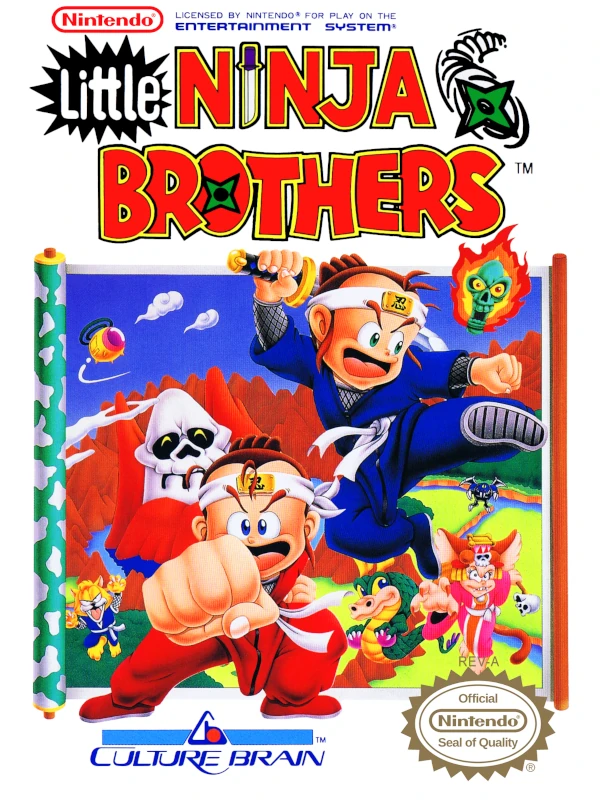
This one was a major surprise. Originally I rented it on a whim. It turned out to be one of my favorite NES RPGs of all time. It’s also one of the most unique releases on the platform. Little Ninja Brothers looks like a traditional RPG, and it even quacks like one. It’s not. The game has you exploring the fictional Chinaland (why not just call it China?) as one of two martial arts forward brothers (hence the name). They’re on a quest to save all the citizens of the land from a hostile takeover. Government propaganda, right?
I kid, I kid. Regardless, at face value Little Ninja Brothers looks like a traditional RPG. You explore a world map, towns, and dungeons from an overhead perspective. Battles are even random encounters. The thing is these fights are all real-time. From a side view perspective you punch and kick the heck out of all on-screen enemies. Oh, and you can jump. That’s important. In this sense the game kind of feels like a beat ’em up, but with all of the classic role playing trappings. It’s cool. The best part however is that you can tackle the adventure with a friend. This is one of the only simultaneous play co-op action RPGs on the NES. You even explore together. It’s such a cool premise, and Little Ninja Brothers is an amazing game.
#28. – Zelda II: The Adventures of Link
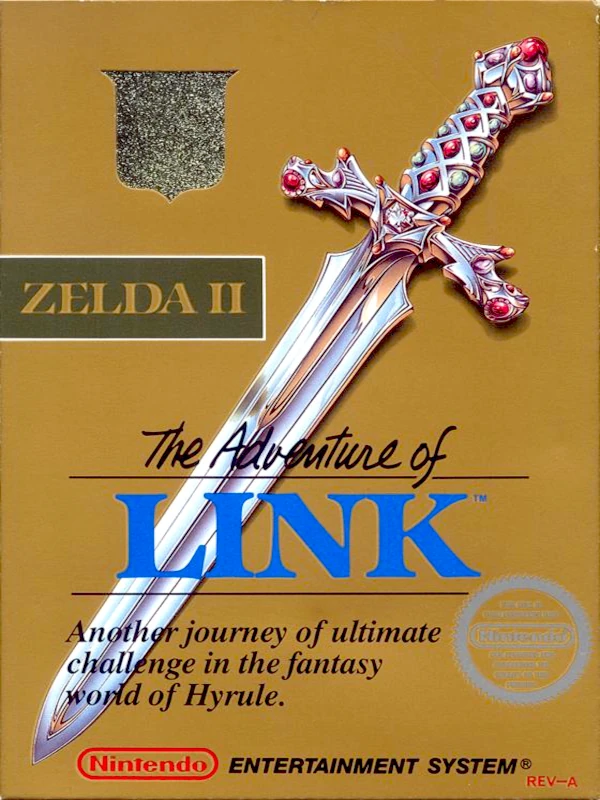
Zelda II will make you its girlfriend. I’m not proud, but this is one of those games that made me break my controller. This wouldn’t be so bad but it’s good. Zelda II is great. It’s just tough. As the first sequel in the Zelda series Nintendo basically tried to re-invent the wheel. It’s weaker for it, but very interesting in general. You once again play as Link, but it’s your goal this time to prevent Ganon from reviving. Oh and Zelda is doing her best impression of Sleeping Beauty. She needs to be woken up. A direct continuation in the Zelda series is an interesting premise. Especially this early on. But wait, isn’t this an action adventure franchise?
Normally yes. In this case Nintendo went full action RPG. Link gains experience points and with them levels. No more heart containers for thee. That’s not the only change made here though. Zelda II has a world map that functions like that in any other role playing game. You use this to traverse to dungeons and towns, but encounter enemies only when their avatars touch you. Battle sequences are real-time like in the rest of the series, but this time from a side view. The same goes for dungeon exploration, and even while walking around towns. Combat is really fun, but it’s going to frustrate you. Get ready for it. Oh, and for the revival of Ganon. You’ll be seeing that screen a lot after all.
#27. – Alundra
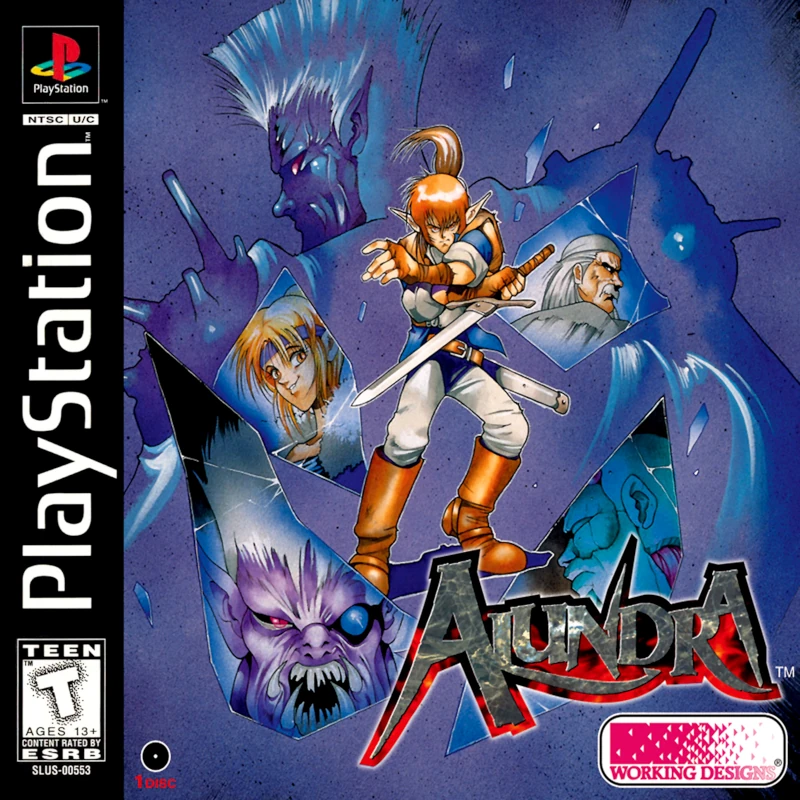
I really appreciate the effort Working Designs puts into their localizations. Or, at least I did before they shut down. Shame on everyone for not buying their games. Regardless, Alundra is one of the first titles they brought over on the PS1. They made a good choice with this one. Alundra is awesome. Admittedly the RPG elements here are a little light. Alundra has more in common with your typical Zelda title than a full blown action RPG. Still, there’s just enough that I felt comfortable including it on this list. Just barely though. Don’t come at me.
The story of Alundra is one that focuses around dreams. This is where the bulk of the gameplay happens. The main character is a ‘dreamwalker.’ This means he can enter the subconscious of people while they sleep. Unfortunately everyone seems to be having night terrors because their dreams are full of monsters and puzzles. Poor guys. In an era of 3D gameplay Alundra was bold in that it uses only sprites. Despite this it’s a beautiful top-down Zelda-like. The RPG elements comes mostly in the form of the equipment you get and how it affects your stats. There are no experience points or levels to be gained. Alundra is a lot of fun. Just be ready for some head scratching puzzles.
#26. – Tales of Eternia
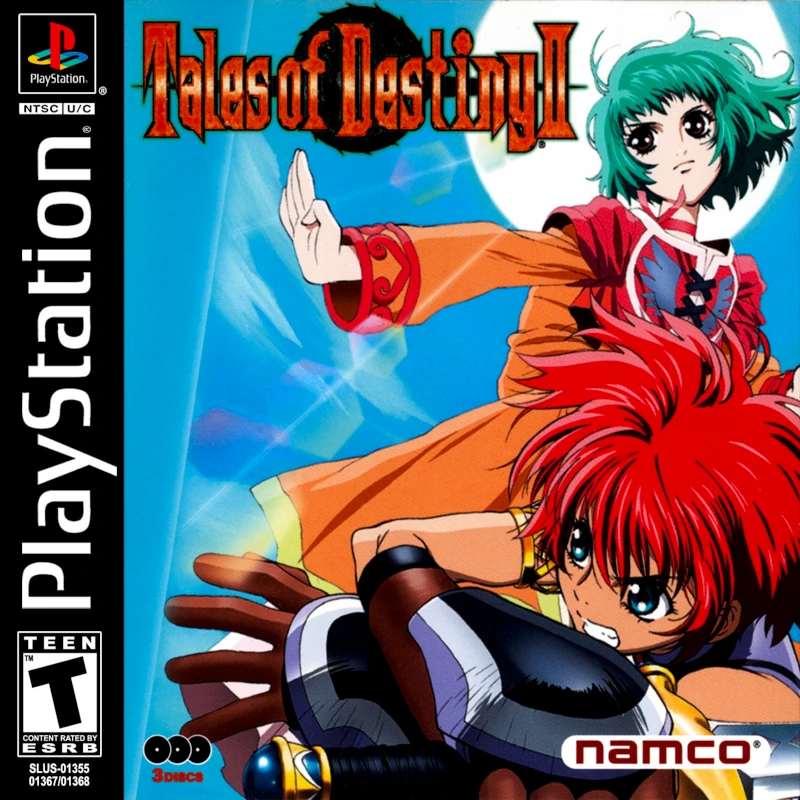
You gotta love the Tales of series for how long it clung to 2D sprite based graphics. Sure, Eternia and its predecessor Destiny still had polygonal world maps. All of the characters, smaller environments, and even battle scenes were strictly two dimensional however. Unfortunately Namco got really confused with their naming conventions with this release. In the West it’s known as Tales of Destiny 2. They then released a game with that same name in Japan on the PS2. Yeah, they weren’t very forward thinking back then.
Tales of Eternia is only loosely connected to its predecessors in terms of story. This one has an all new cast, takes place in a different world (actually ‘worlds’) and only shares some of the most basic plot elements with other titles in the series. Despite being the third Tales of game, Eternia is a completely self enclosed story. No one plays this franchise for the story however. Tales of Eternia appears to be a traditional RPG with a world map, towns, dungeons, etc. The battle system however takes place in real-time. You can freely move your character left and right on a two dimensional plane, and attack at will. It’s a natural evolution from the mechanics in Tales of Destiny. It flows surprisingly smoothly, and battles are fantastic. It also helps that Tales of Eternia has some of the best 2D graphics on the PS1.
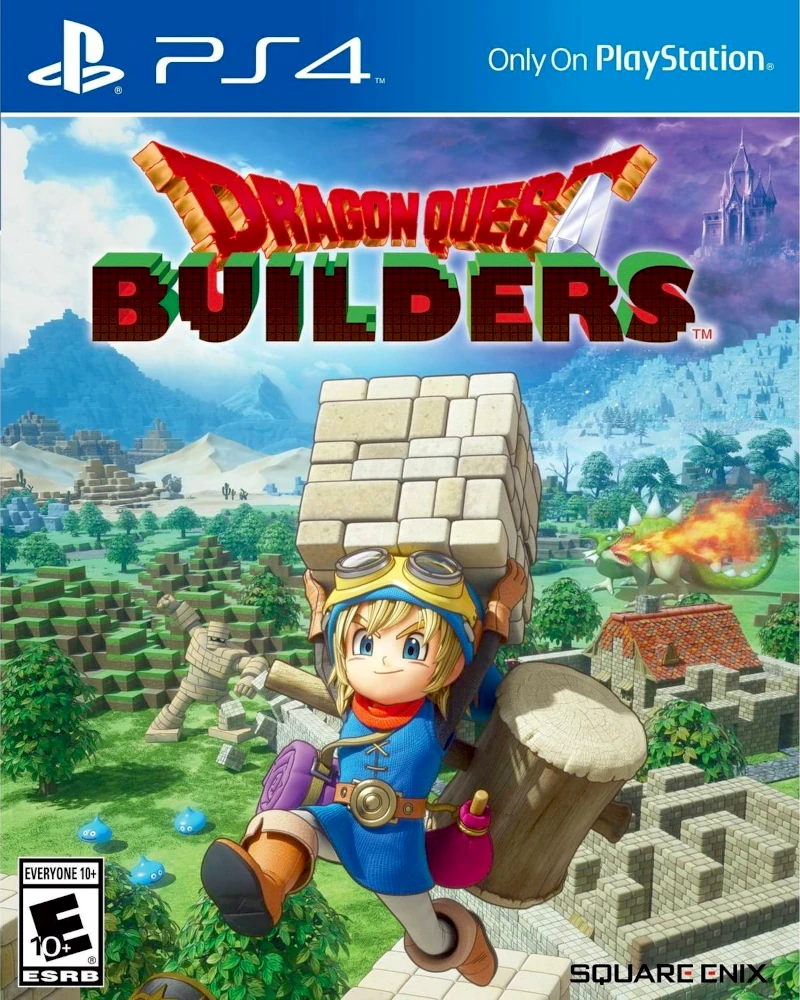
#25. – Dragon Quest Builders
What do you get when you combine the Dragon Quest franchise with action RPG gameplay and crafting/building mechanics? Why, Dragon Quest Builders of course. I went in not expecting to like this one but ended up loving the game. This one is a sort of ‘what if’ sequel to the original Dragon Quest. The scenario here is that at the end of the hero’s adventure in the first game he sided with the Dragonlord and plunged the land of Alefgard into darkness and ruin. Neat, right? Come on, we all know we made that choice in the game at least once anyway. Don’t lie. Now we get to see what would have happened in that scenario.
It’s an interesting premise, and wrapped around it are some cool gameplay conventions. Alefgard consists of ruins now. You awaken in a cave as a builder. A hero to revive the world and make way for the next warrior to save it. The game is fully 3D as you navigate a series of environments within the kingdom. It’s like Minecraft in that each element of the environment is represented by a block. You can collect these to craft them into something else, or simply use them as building materials. As you progress the story new villagers move into these town areas, but monsters will also attack so you have to keep the walls up. The battle system is entirely real-time as you slash weapons at foes and they strike back. This mix of gameplay elements makes Dragon Quest Builders one of the most interesting spin-offs in the franchise.
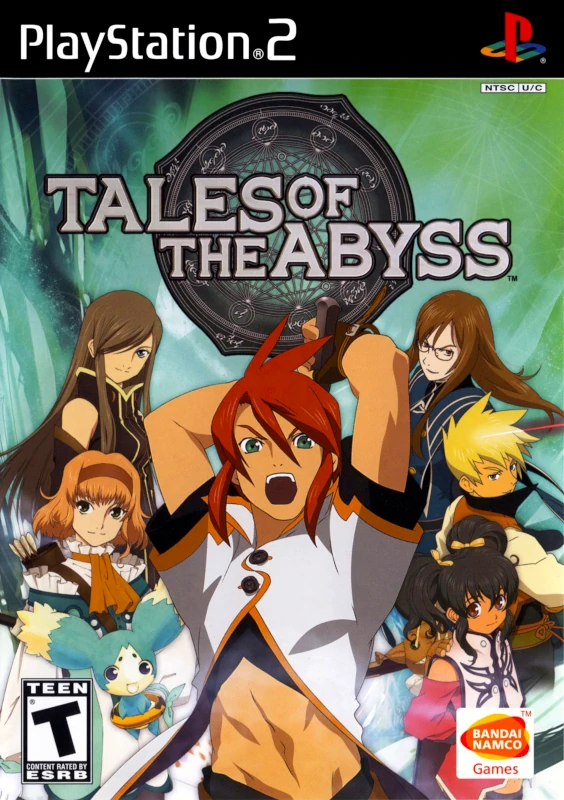
#24. – Tales of the Abyss
This release marks the moment Namco started taking the West seriously when it came to the Tales of franchise. We had missed numerous installments up to this point, but from here on out, we’ve gotten most of them. I’m sure the success of Tales of Symphonia had something to do with it. Regardless, Abyss builds on the fundamentals of its predecessor. It uses the same 3D battle system, but ditches the off-putting cel shaded graphics and black outlines. Namco also went with a more mature storyline. It backfired. The protagonist whines. He does this all the time. The supporting cast is also insufferable following every anime trope in the book.
Tales of the Abyss makes up for this with its fun, fast and furious battle system. Like most games in the franchise it has all the trappings of a traditional RPG, but wrapped up in a real-time action RPG battle system. On the battlefield you move your characters left and right through 3D space. When a new foe is targeted your plane shifts to them. Sure, you can free-run, but this is only useful for dodging attacks. Tales of the Abyss just feels nice to play. You can chain together special moves, string together these with normal attacks, etc. The more you play the better you get, and as your skills improve there’s basically no difficulty curve. If you can handle the eternal whining of Luke Fon Fabre then by all means get it.
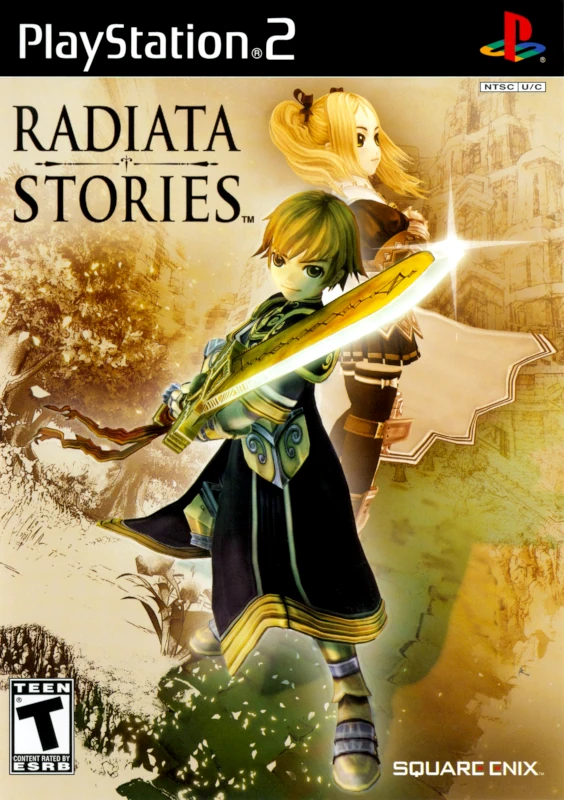
#23. – Radiata Stories
One problem with developer Tri-Ace is their games too often take themselves overly serious. Star Ocean, I’m looking at you. Radiata Stories is them letting loose and having fun. The game is hilarious, and it knows it. Radiata Stories has you play as a goofy young knight named Jack. There’s some family drama but that’s not interesting. What is, is that our hero soon gets swept up in a skirmish involving humans and elves as he’s expelled from the knights thus joining a merry band of mercenaries. There are a lot of light hearted jokes in this story, and they’re all really charming. It’s nice to see developers not take the genre overly serious from time to time.
Radiata Stories plays loosely like a Star Ocean game. This means it has all the main features of a traditional turn based RPG, but with action based battles. These take place on a separate screen and are arena based. You can move your selected character freely while the others are left to the CPU. It’s fun, and functional, and has just enough unique elements to make it its own. What I really liked is the day/night system. Outside of battle NPCs have routines and schedules, and meeting up with them requires planning. You’ll need to take advantage of this system because there are a ton of characters to recruit, and some are hidden well away. It’s a shame Radiata Stories never got a sequel because it’s great.
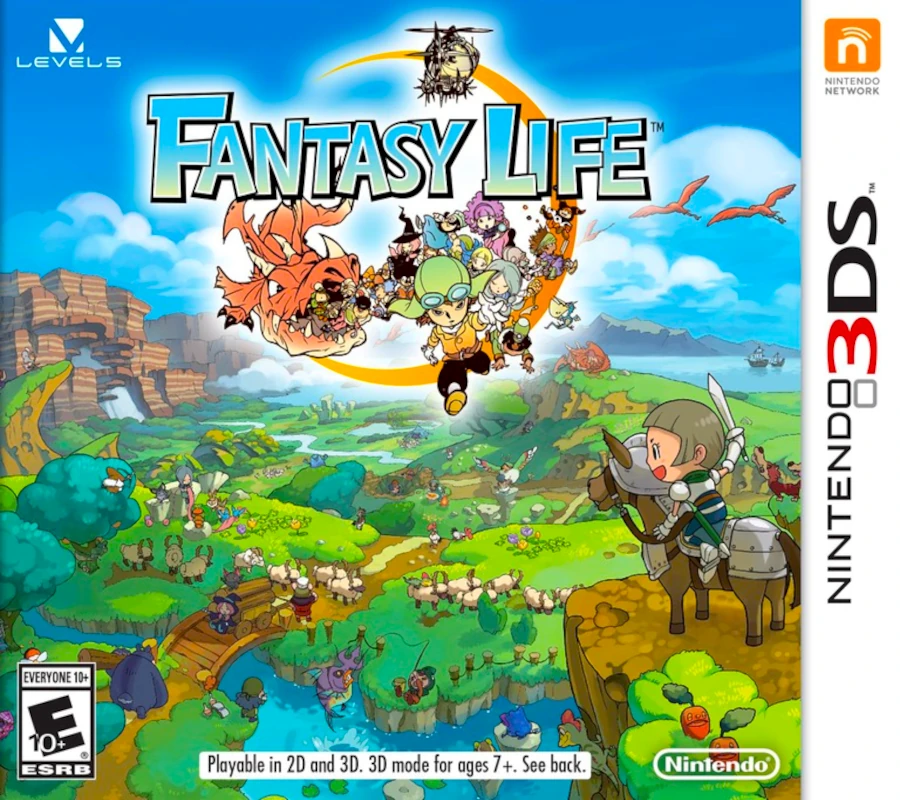
#22. – Fantasy Life
This is perhaps one of the most creative games Level-5 has ever made. Yes, it’s an RPG. It’s far from traditional though. Staying true to its name this one is kind of a life sim. Scratch that. It’s a job simulator. You start out the adventure by creating a character and assigning them a job. Some of them like paladin and mercenary fit the typical RPG archetypes. They’re even based around exploration and real-time combat. You know, like a role playing game would be. Others are pretty out there. You can opt to be a carpenter, cook, blacksmith, tailor, etc. These guys don’t fight. They hone their craft. It may sound like the pacifist roles would be less interesting, but that’s far from the truth.
Probably the most interesting part of the game is the fact that you can switch your ‘life’ just about whenever you want. Getting tired of hunting monsters and slaying evildoers? How about you try making some clothes or cooking some food instead? The fact that all of these scenarios take place in the same world, and have the same casts, but feel so drastically different is amazing. Each of them experiences the story and goings on in the world from a completely different perspective. You’ll see new things, and meet new people doing these less glamorous jobs. What’s more is that they’re all made fun. Fantasy Life has so much to offer it’s astounding. Playing through just one life would be doing it a great disservice.
#21. – Tales of Symphonia
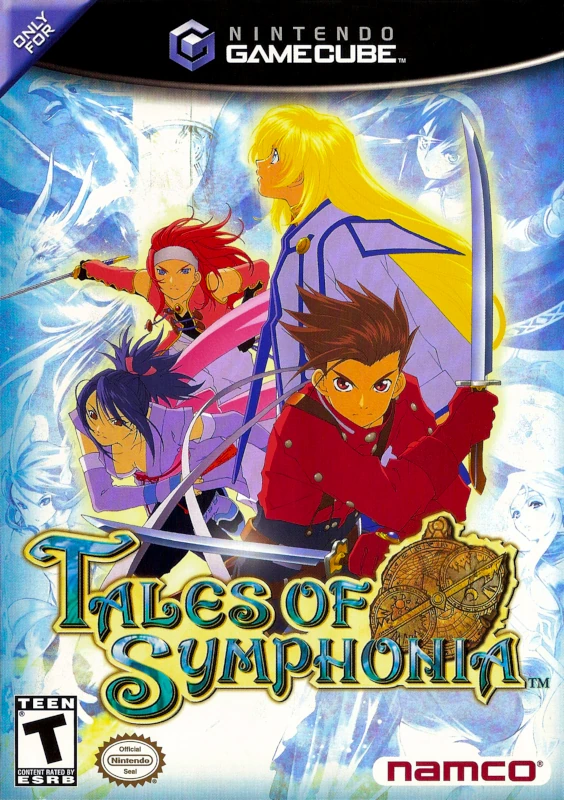
When it comes to the Tales of games from this era you have a choice. Are you going to pick cel-shaded child like characters or one really whiny, but correctly proportioned one? My choice is the former, but not because of the visuals. Tales of Symphonia just feels like it has a lot more to offer than Abyss with more interesting battle scenarios and a grander world to explore. This one also doesn’t have the same edgelord approach that its follow up suffers from. Instead it offers a world of whimsy and fantasy, and that’s just how I like my role playing games to be.
It’s worth noting too that Tales of Symphonia was the franchise’s first breakout hit in the West. This might have something to do with the lack of RPGs on the Gamecube. It also marks the franchises first move to full 3D. Combat feels amazing with a great cast of characters with varying abilities. This was one of the first Tales games where I didn’t feel compelled to play as the main character. Unfortunately it lacks the free movement of its sequels, but let’s be honest, how often do fans of the franchise even use this feature? The best part however is that thanks to its real-time combat system you can tackle the adventure with four friends; each taking control of a different party member. Not only does it deserve its spot on this list, but Tales of Symphonia is also one of the best Gamecube multiplayer games of all time.
#20. – The Last Story
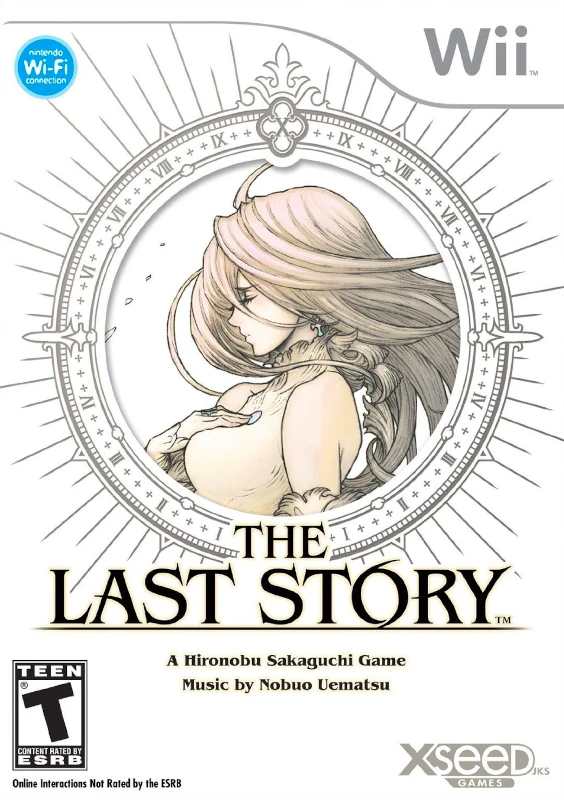
After a series of role playing games on the Xbox 360 Hironobu Sakaguchi directed his company Mistwalker to make one for the Wii. The Last Story is easily one of their most interesting offerings. For one thing it’s an action RPG. That’s not something the creator of Final Fantasy is known for. It’s also heavily based on cover mechanics. You even have stealth elements. On paper it sounds like it shouldn’t work, but somehow it does. The Last Story feels like a Hironobu Sakaguchi game and is one of the best RPGs on the Nintendo Wii.
So, as we’ve already touched upon, the battle system takes place in real-time and is action based. There’s a lot of strategy driving it. Dodging attacks is done entirely manually. There’s also a block function thus allowing you to, if timed correctly, lessen or even dismiss damage. I really liked the targeting mechanics. Basically, beams of light come off of your characters and it shows who you are currently honing in on. It’s surprisingly intuitive. With all of these mechanics The Last Story plays like a really polished action title. When combined with the focus on RPG elements you have a real winner her. The Last Story was, unfortunately, the last story. There’s no sequel.
#19. – Crisis Core: Final Fantasy VII
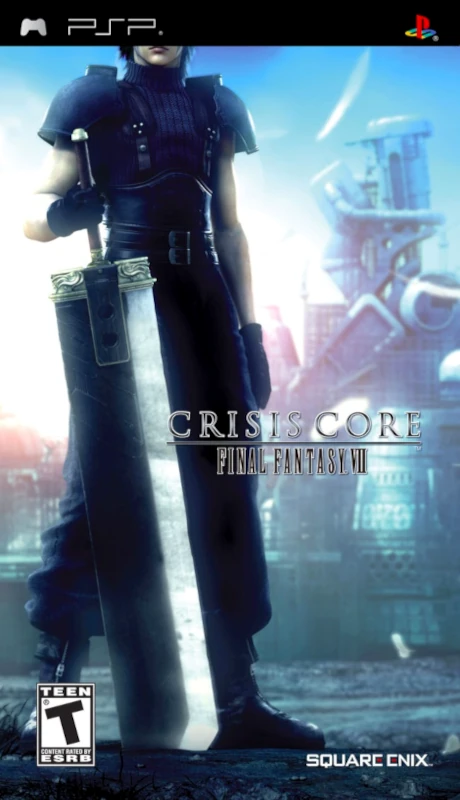
When Square-Enix announced they were making a big budget prequel to Final Fantasy VII I, along with all the other fans, were truly excited. Unfortunately after watching footage I couldn’t help but think ‘not like this.’ Instead of sticking to turn based combat they made it real-time. This one is all focused around action. The end result however wasn’t nearly as bad as I expected it to be. Battles are fast and furious, and there’s a lot going on at once. The main character Zack is, after all, a super soldier infused with special mako energy. It only makes sense, right?
The action based battle system is pretty decent. It’s a bit flashier than I would have liked, and there are some random aspects to it. For the most part it’s fun. There’s just a lot of needless fluff. The game also feels smaller in scope than the original Final Fantasy VII. Progression is strictly mission based which makes the experience rather linear in nature. It makes sense though, given Zack’s work in the SOLDIER organization. I was really looking forward to seeing the world of Final Fantasy VII return at this time, and in glorious 3D. I was let down a little, but that doesn’t mean Crisis Core is bad. It’s actually quite good. I just don’t think the Final Fantasy VII storyline needed to be any more convoluted than it already was.
#18. – Crystalis
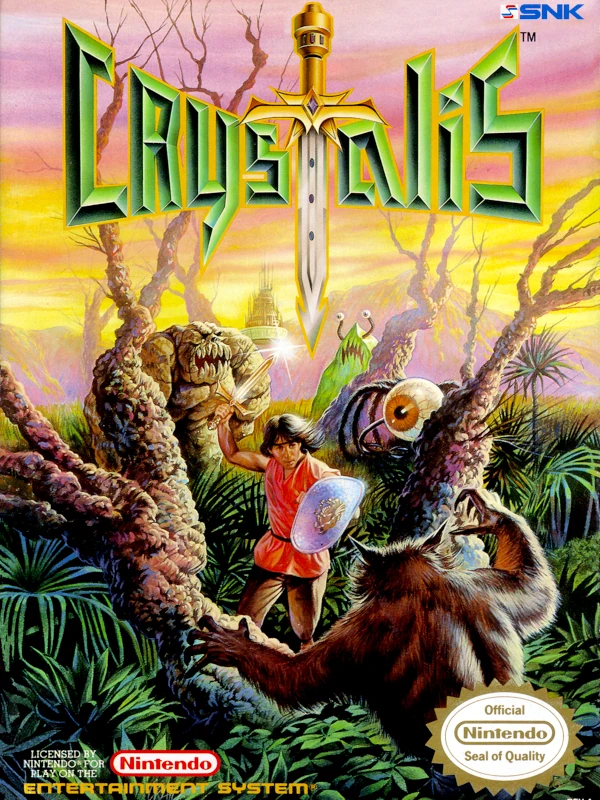
Before SNK ruled the arcades they released a curious little action RPG called Crystalis. This NES title was similar to Zelda in terms of exploration, but was focused entirely around role playing elements. You guide a character awakening from a cryogenic sleep to discover a post apocalyptic world now ruled by monsters and fantasy. Despite this being the future he uses a traditional sword to fight foes, and even gains psychic abilities to assist the fight. It’s a neat set up and the setting in Crystalis is one of the most imaginative and interesting in the entire genre. It’s not what you would expect from the apocalypse, but hey, I’ll take it.
Like Zelda this is a top down perspective game where you run around and hit enemies with your sword. Oh and you can charge said weapon to shoot bursts of energy that form projectiles. So what’s the difference between this and Zelda, you may ask? One it’s light on puzzles. These are few and far between, and primarily rely on the character’s psychic abilities. Also, you become more powerful by gaining experience points and levels. Grinding for money and exp might seem lame but given how well paced the action is in Crystalis I loved it. The dungeons are a bit lacking, but that doesn’t matter when the rest of the game is so well done. Crystalis is a hidden gem action RPG. The game was later ported to the Game Boy Color, but stick with this NES edition. Trust me.
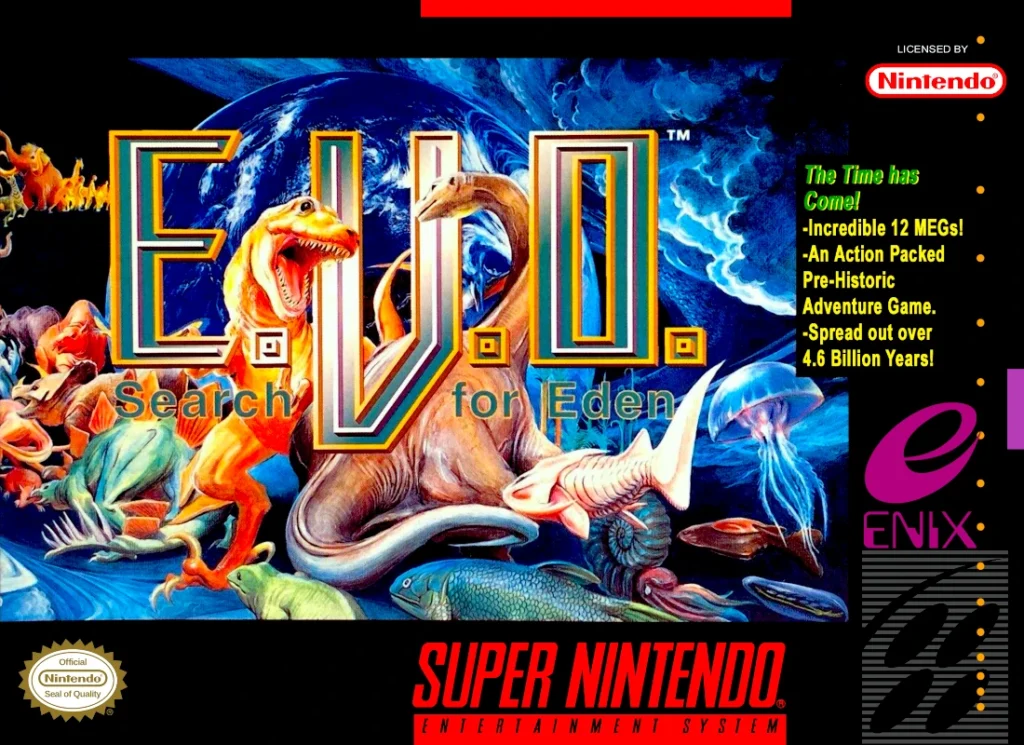
#17. – E.V.O.: Search for Eden
Please, hold off on judging this one. It’s going to sound weird. To be fair it is, but it’s also really good. In E.V.O.: Search for Eden you start out as a fish. It’s your job to eat everything smaller than you so that you can evolve your parts. This is how you become more powerful. It’s like gaining levels, but more interactive. From here you eventually become a land dwelling reptile, and then a dinosaur, and finally wind up as a mammal. It’s a story of evolution in video game form, and it’s glorious.
So how does it play, exactly? This is a side scrolling action RPG. While playing in the aquatic areas you can swim in all directions, and you have an attack button designated for biting enemies. Each hit you land on them drains their hit points, and when they’re defeated they become food. You’ll be eating good, because EVO requires quite a bit of grinding. Land based levels play pretty much the same way. You just don’t swim around. Duh. Instead there is some light platforming as you hop and chomp your way through various levels. You even have boss encounters, and these are done fairly well. Just ignore that story. The writers obviously took the game too seriously and didn’t realize this is a goofy action RPG about evolution.
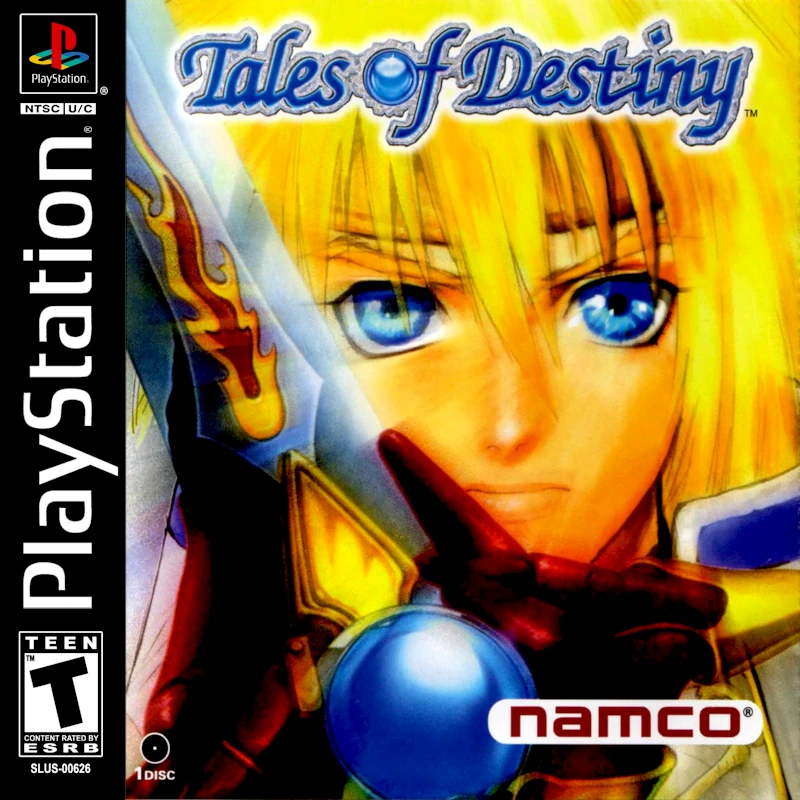
#16. – Tales of Destiny
Eternia might technically be the better game here. It looks much better, and gameplay is smoother. I’ll be darned if there isn’t something really special about the first Tales of Destiny though. I don’t know if its the graphics, or perhaps nostalgia. This was the first Tales game we ever got in the West after all. No matter what it is Destiny’s the game I return to most often. It has less gimmicks than future installments, a streamlined but still fun story (with humor, surprisingly), and the cast of characters is among my favorites. It’s a shame this one went ignored because truth be told it’s one of the best PS1 RPGs.
Tales of Destiny at times looks like a SNES game. There isn’t anything wrong with that though! This quest follows the adventure of Stahn Aileron who, after finding a talking sword called a Swordian, gets swept up in a quest to save the world. Like other Tales of games this one looks like more of a traditional RPG than it really is. You wade through the same kinds of menus analyzing stats, using items, and changing equipment, but battles occur in real time. These are strictly two dimensional as your characters zip both left and right to hit enemies. You can also move freely, but targeting a foe will cause your guy to move toward them on their own. The battle system is a lot of fun, and though later installments refined it there’s something comforting about how simple it is here.
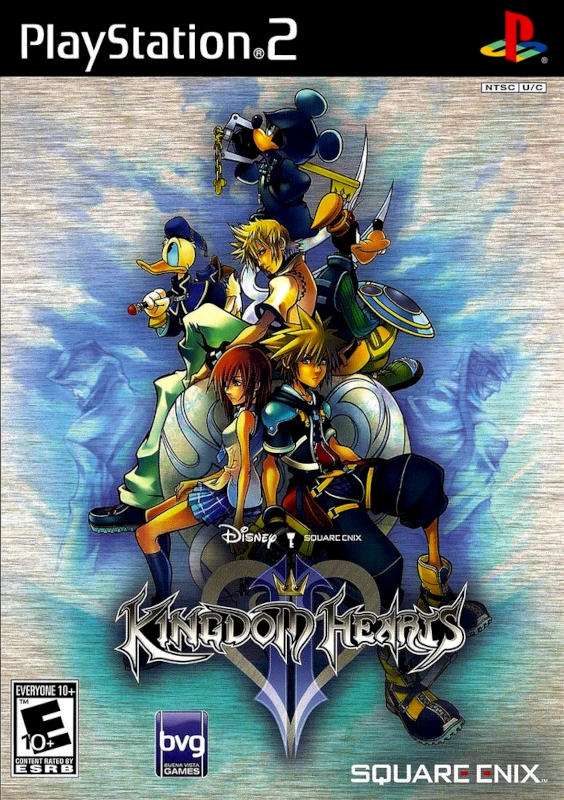
#15. – Kingdom Hearts II
Hakuna matata, it means this sequel is better in every way. Okay maybe it doesn’t mean that, but this statement isn’t any less true. The first Kingdom Hearts was a super popular release from Squaresoft blending both Disney and Final Fantasy into one. The perfect mix, right? Unfortunately it suffered from claustrophobic environments and was lacking in battle options. While still fun it hasn’t aged particularly well, and the gimmick of a Disney RPG isn’t enough to carry it anymore. The sequel though? It’s still good.
Kingdom Hearts II unfortunately marks the point of no return where the story really dove off the deep end. That’s not a big deal though. You once again play as Sora, Goofy and Donald as you explore a multitude of Disney worlds. Some are new, and others old, but even these have been significantly changed since the last adventure. Combat now feels much more cinematic. This helps keep boss encounters interesting. You’re no longer just mashing the same attack button over and over again while occasionally rolling out of their way. Everything is bigger, and dare I say, better? Yes, yes I do.
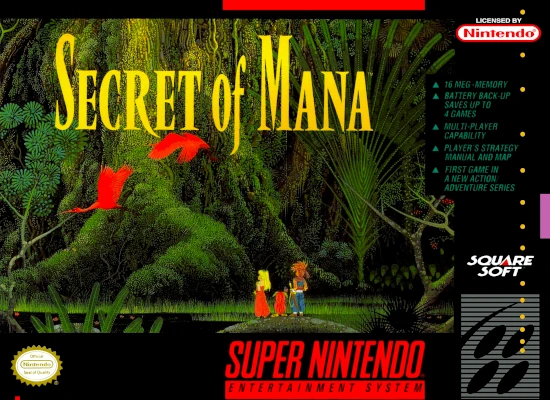
#14. – Secret of Mana
So many older gamers have a ton of nostalgia connected to this one. Me? Not really. I was late to the party when it came to Secret of Mana. That doesn’t mean I don’t appreciate it though. As the second installment in the series (the first releasing on the Game Boy) Secret of Mana introduced a lot of the standard franchise conventions. In particular I’m a fan of the charge up attacks and of course multiplayer. This is one of the few action RPGs of any era where you could tackle the adventure with a friend. Or even two. You need that pesky multitap accessory to take advantage of this though. Only rich kids had that thing.
Secret of Mana is a top down action RPG. It’s extremely colorful, vibrant and the soundtrack is amazing. Gameplay is also pretty good. This was Squaresoft in their prime, after all. The game has you traversing a variety of different environments with a party of up to three characters. Combat is surprisingly fun thanks to the charge up mechanic that ensures you can’t simply spam attacks. What did you think this is, Zelda? Instead the game encourages backing up to safety until you can hit with your full strength. Mechanics like the magic and item system feel dated, but they’re still serviceable. Secret of Mana may be a little overrated, but it’s pure fun. Plus, three players. Did I mention that already?
#13. – Star Ocean: The Last Hope
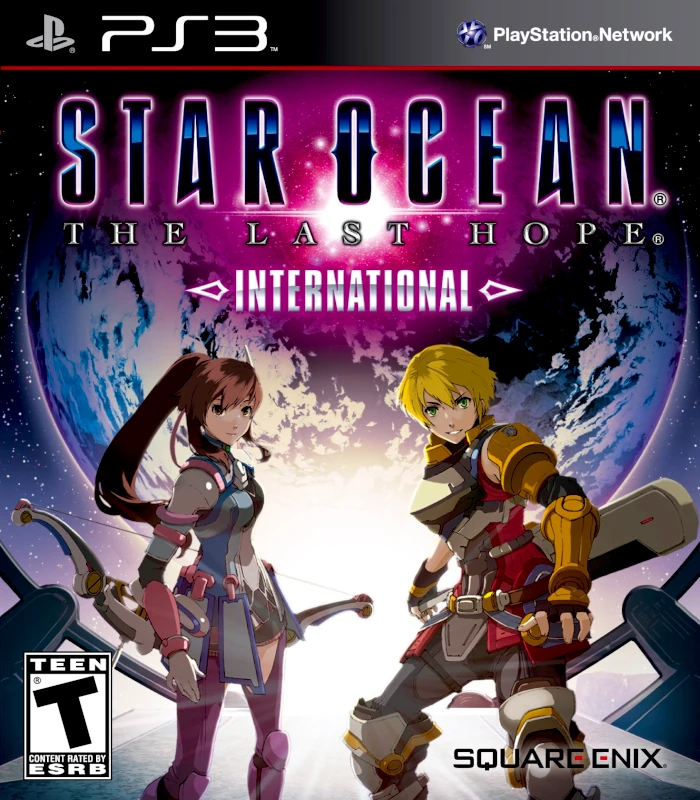
Hoo boy I’m going to catch some heat for this one. Star Ocean: The Last Hope is amazing. Haters be darned. At the time of release the game caught a ton of flack. The game was taking strays for its graphics, story, and voice acting. There’s really no defending it. Star Ocean: The Last Hope is cheesy with a capital ‘c.’ I don’t mean that in a good way. The developers were obviously trying too hard to make something compelling and epic. They just lost their way. Characters look like animated dolls, and the acting is horrible. It doesn’t help that the script was terrible too. This all was hilariously bad.
Notice that I didn’t say the gameplay was horrible. That’s because it isn’t. Star Ocean: The Last Hope has one of the best, most strategic, and smooth flowing combat systems of all time. That’s no joke. It plays like a traditional Star Ocean title with traditional RPG trappings. All of the innovations are in the battles. You can move freely while fighting enemies, strike in combos, and use a plethora of different special moves. Chaining together your attacks feels good. New to the franchise is the blindside attack. This allows you to sweep around an enemy when they’re vulnerable and hit for massive damage. Basically, the game feels good to play. You’ll feel good playing it. Just ignore the story.
#12. – Ys: Book I & II
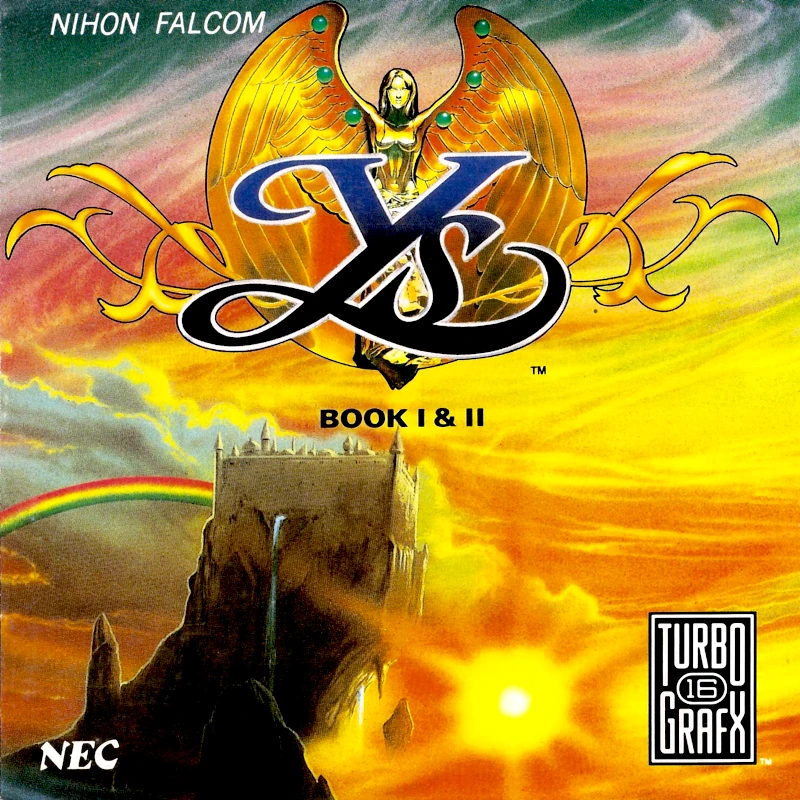
Okay hear me out. This is a 2D action RPG on the Turbografx-CD. You know, that expensive add on no one bought for the console that nobody owned. As if that wasn’t bad enough in Ys: Book I & II you fight enemies by ramming into them. Yes, you deal damage by bumping into things. It’s not a forgiving mechanic either. You have to hit them just right or our hero Adol will be the one who gets hurt. I fully realize I’ve probably lost you by now. There’s a reason retro gamers swear by this version of Ys. It’s incredible.
If you’re still open minded then you’re in for a treat. Ys: Book I & II is actually a compilation of remakes. It’s the first two games in the series. In this package the graphics have been updated, the soundtrack enhanced, and of course there are animated sequences now. This was an early CD game. It kind of comes with the territory. Both of the stories (or books, I guess) has an overworld to explore complete with towns and dungeons. Combat is bizarre but surprisingly engaging. Honestly, once you get used to it you’ll love ramming headfirst into foes. It’s the dungeons that are the highlight for me however. These are simple, but the puzzles are engaging. They also tend to be long and surprisingly involving. Ys: Book I & II is much better than it sounds.
#11. – Ever Oasis
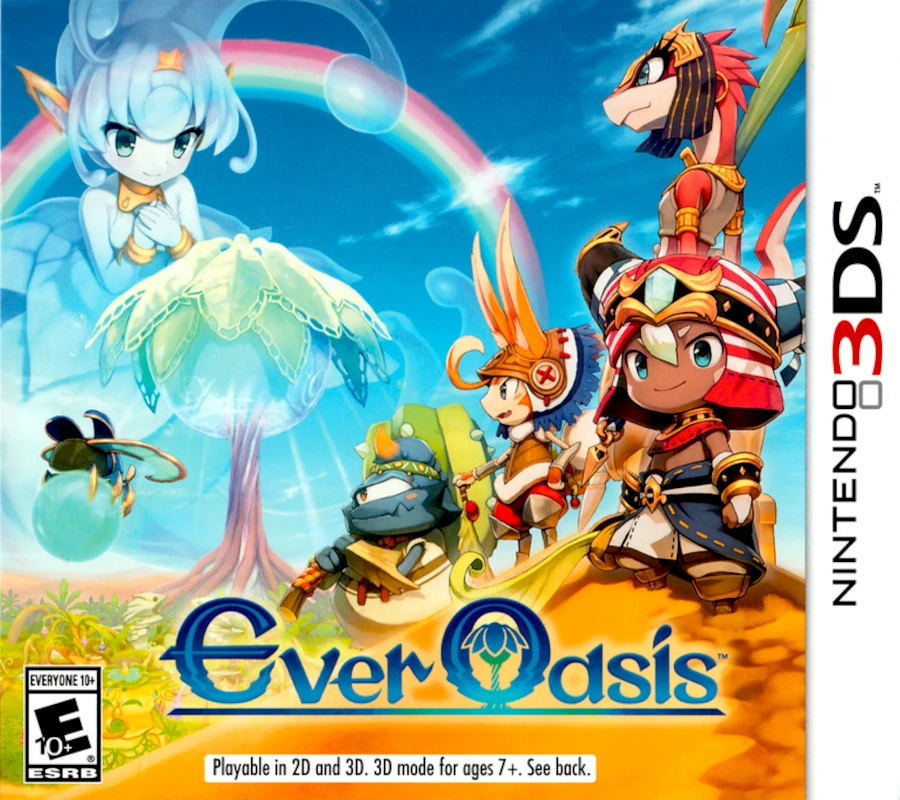
For me Ever Oasis was a surprise hit. It wasn’t on my radar at all. I mean look at it. It’s colorful and cute. Part of me assumed it was just for kids. That’s clearly not the case. Ever Oasis blends genres by having you manage a town, and then traverse into dungeons to battle against all manner of monsters. All wrapped in a cute 3D graphic engine. It’s been done before, but never quite like this. At least in not such an involving way. What’s more is the fact that both modes of play spill over into each other. We’ll get to that in a bit. What you should know before going any further is that Ever Oasis rocks.
When I said you manage a town that was only a half truth. It’s actually an oasis. Hence the name. See what they did there? You improve the place by enticing people to move into it. As the population grows you have more options at your disposal. You’ll need the villager’s help to take down the nearby dungeons. Battles within these areas take place in real-time as you hack and slash your way into the depths. Citizens of your oasis can be brought along, and they offer a myriad of bonuses. Some will fight by your side while others will help out by destroying obstacles blocking your path. This makes exploration significantly more fun. You can only bring a few at a time so choose wisely. Ever Oasis is ultimately charming and the blending of genres works out exceptionally well.
#10. – Star Ocean: First Departure
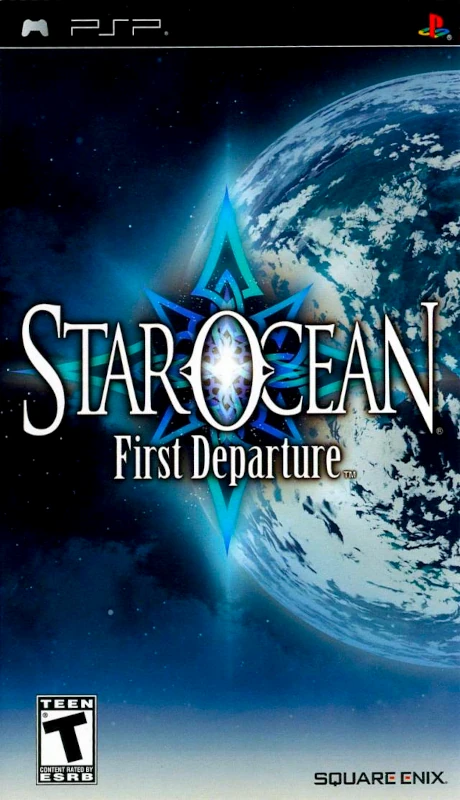
I wanted to include the original Star Ocean. I really did. It was a landmark game and one of the first more traditional RPGs with action based combat. The game is just too clunky and awkward. Thankfully we got a full remake on the Sony PSP. I was instantly drawn in by the fact that they managed to port the gameplay engine from Star Ocean: The Second Story here. First Departure looks, and plays very closely to it. Those that have played the game know that only means good things. Star Ocean: First Departure is, in my opinion, the best way to experience the first installment in the franchise.
Star Ocean: First Departure tells an identical story to the original release. You play as a youth named Roxas on the planet Roan. He and his buddies get swept up into a plot to save the galaxy when they encounter space travelers from the Earth Federation Force. It’s a simple story, but just charming enough. It’s the combat that’s going to hook you. Battles occur at random and these take place in closed side view 3D arenas. You move your selected character in all directions, and can attack enemies in real-time. Meanwhile your CPU controlled allies are following the loose strategies you set for them. It works, and it’s fun. My only complaint with First Departure is that it’s short. The inclusion of a world map this time around cut out a lot of fluff from the Super Famicom release.
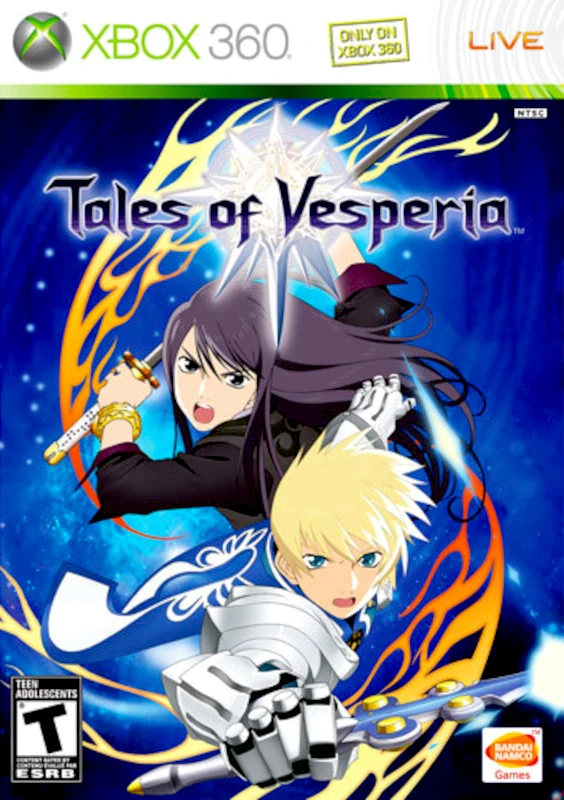
#9. – Tales of Vesperia
Okay Team Symphonia, you got me. For years I thought they couldn’t surpass their work on Tales of Symphonia. They proved me wrong with this once Xbox 360 exclusive release. Tales of Vesperia pushed the franchise forward in numerous ways. For the first time the cel-shaded visuals matched an actual animated feature. The storytelling was also improved with a darker and more brooding tale, better voice acting, and higher production values in general. Fans of these games know that this isn’t why the franchise is good however.
It’s all about the battle system, and Vesperia delivers in spades. Thanks to the improved graphic engine and stronger tech these enemy encounters now feel smoother than ever. It feels amazing to play. Best yet multiplayer returns again. It doesn’t sound like an RPG would be all that great to experience in local co-op play. It is. At least in this case. Tales of Vesperia is still a bit cheesy with oh so many anime tropes, but the developers did something a little different with the story. I won’t spoil it but I’ll say that the main character, Yuri, is actually quite interesting. Especially when compared to other RPG protagonists. If you haven’t already give Tales of Vesperia a try.
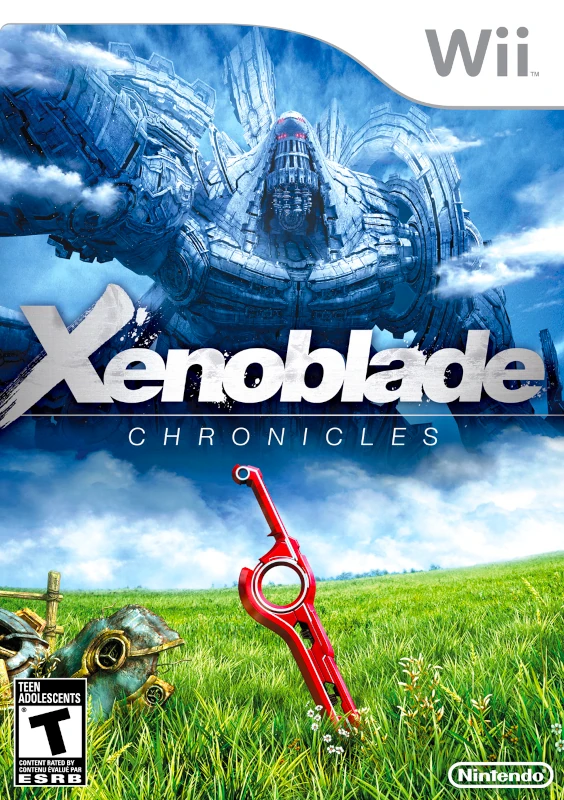
#8. – Xenoblade Chronicles
No, this isn’t Xenosaga nor is it Xenogears. Much to the dismay of fans of those games Xenoblade Chronicles turned out to be something entirely original. The Nintendo Wii wasn’t exactly known for its RPGs. That’s why this one came as a bit of a surprise. Despite the less powerful hardware it was one of the most ambitious and biggest RPGs of this era. Oh and the best part? It’s not based around motion controls. This is a hardcore gaming experience on the Wii. Owners of the console may have been hungry, but Xenoblade Chronicles made sure they were fed.
Xenoblade Chronicles is a fully 3D action RPG that’s heavily story driven. The plot is decent, but it’s really the setting that I was enamored with. Xenoblade Chronicles takes place in a world atop long dead robots stuck in eternal combat with one another. It’s a fantastic concept, and it works well. What’s more is that the terrain looks like a typical planet in most places with grasslands, forests, etc. The combat system however is the high point. There’s no separate battle screen. Everything happens in real-time with very little transition. You, along with a party of up to four total characters, do battle with foes in real-time. The CPU handles commands for your friends. There’s an inventive tech system in place that focuses on teamwork, and even a mechanic that lets you see into the future to prevent your characters’ deaths. Simply put, this game is cool.
#7. – Ni No Kuni: Wrath of the White Witch
I’ve never been a big fan of Level-5. Their games tend to be soul-less, and full of bullet point mechanics that add little to the experience. Ni No Kuni turned my opinion on its head. The game has so much going for it. The first thing you’ll notice is the beautiful cel-shaded graphics. These, along with the art done by Studio Ghibli (of Spirited Away and Princess Mononoke fame) makes for one amazing looking game. It looks like a big budget anime film in motion. You also have a fully orchestrated soundtrack, and fantastic heartwarming story. The first few moments tell you right away that you’re in for an epic story.
Enough about that. Let’s get to the gameplay. In Ni No Kuni you play as a lad named Oliver. He is transported to a fantasy world on an adventure to try and bring his mom back to life. Here he he can perform magic, and gains the ability to use little creatures called ‘familiars.’ The combat system revolves around them. In this sense it’s a collect ’em all type game, but Ni No Kuni is so much more. After sending out your familiar you move them around in real-time and attack. Party members also come and go, and they have their own minions to help out. The battle system will keep you on your toes, and I mean that in the best way possible. Ni No Kuni is one of the few RPGs I recommend for the story. It certainly doesn’t hurt that the battle system is amazing too.
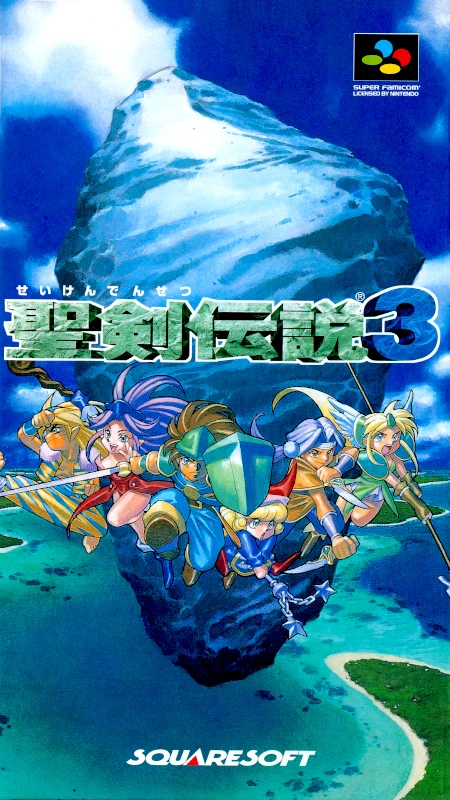
#6. – Seiken Densetsu III
Seiken Densetsu III deserved better. It’s one of the most massive games released on the Super Famicom. This is likely why we never saw it in the West. Translating this one would be like re-writing a novel. No one has time for that, especially when RPGs weren’t that big a hit outside of Japan. The game itself is a sequel to Secret of Mana. Think bigger, and of course, better. You start out by selecting one of six different scenarios to play. You can also select a few side characters to join in your quest. These scenarios take place in the same time era, feature many of the same settings, and more. It’s the story, and order you visit all of these locations that’s different.
While the gameplay is largely the same between each of the scenarios the characters each play a bit differently. This is because they have different stats, and you really feel it while you play. Some are focused on pure combat ability, others speed, and a few use magic as their main abilities. They are different enough to feel like different games, but to experience the whole story you’ll need to play them all. The battle system is very similar to that of Secret of Mana. That’s not a bad thing. It’s more polished here, and combat has more options which is nice. The story is surprisingly engaging. I loved to see how the scenarios were intertwined. Seiken Densetsu 3 is incredible. It’s still hard to believe the SNES was capable of rendering these sprites.
#5. – Phantasy Star Online
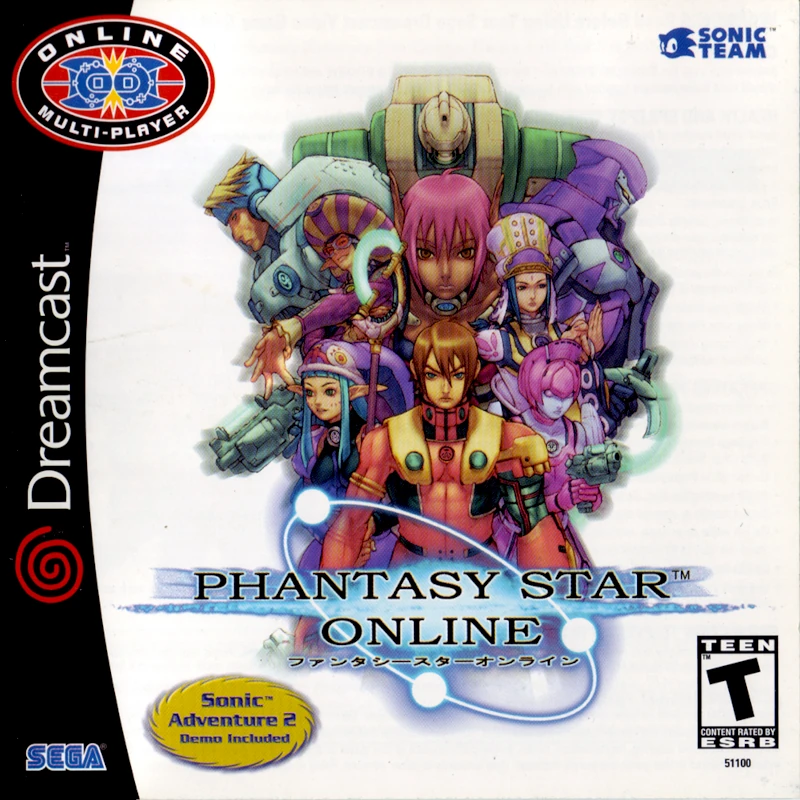
Yeah, I’m a sucker for PSO. This was a ‘you had to be there’ type game. Online gaming was in its infancy on console, and Sega went and blew away all of our expectations. Phantasy Star Online basically took over my life for an entire Summer. No regrets. Unfortunately it’s not your father’s Phantasy Star. It took some of the basic concepts, story elements, items, names, etc and threw them into a combo based action RPG. You begin by creating a character, naming them, and then you’re sent out into the world.
Unfortunately it isn’t a big one. There are just four basic settings, but each is divided into different sections. That doesn’t matter. Combat is entirely action based with a variety of different weapons. These vary in range and power, and the different types vary in a lot of functionality. Some character classes are entirely focused around the use of magic instead. The highlight, as you can probably guess from the name, was the ability to take the game online. Here you could team up with three other characters to tackle each of the levels. Offline mode was primarily used for grinding levels. Or when someone in your household needed to use the phone. Either way. Unfortunately the servers have been shut down for decades, but even offline, Phantasy Star Online is still fun. Thankfully there are still workarounds to take your Dreamcast online. Go ahead, look it up.
#4. – Illusion of Gaia
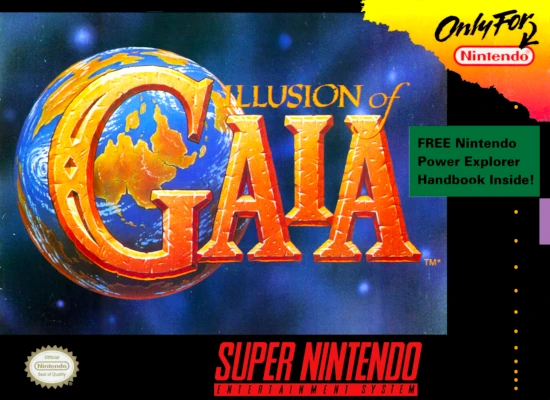
Illusion of Gaia was the second game to release in Quintet’s unofficial ‘Soul Blazer trilogy.’ It’s also the strangest one. Here you play as a young man named Will whose father went missing years before the story begins. Our hero sets out on an adventure with his friends to find out why, and in hopes that he’s still alive somewhere. Things get weird when you realize that Will’s world is the same as our own. It’s just a bizarro version. You’ll visit locales like the Great Wall of China, the Egyptian pyramids, and more. Admittedly I’ve never been to these places, but I’d be surprised if they were so full of puzzles and monsters as they are here.
Will’s weapon is also a little weird. Instead of wielding a sword he instead swipes at enemies with a flute. It’s more effective than you might suspect. He can also play it, and this is used to solve some light puzzles with songs acquired throughout the adventure. Illusion of Gaia’s gameplay is pure action. Oh and there’s a heavy emphasis on the aforementioned puzzles. Get ready to put your thinking cap on. It’s not that they’re that sophisticated. Rather, Illusion of Gaia likes to keep things vague. The dungeons are extremely well designed, but some of them are huge with tons of branching paths. It’s easy to get lost. Despite this Illusion of Gaia is good old fashioned fun.

#3. – Terranigma
Remember that Soul Blazer trilogy I was just talking about? Well, Terranigma was the final game to be released in it. This is the most ambitious one one of the bunch. It has a creative interface, fast paced combat, and fun dungeons to explore. For some unfathomable reason Enix published Terranigma in PAL regions, but left the rest of us out. That’s lame, but at least it’s available in English and from an official source. I can’t complaint too there.
Like Illusion of Gaia, Terranigma takes place in an alternate version of our own world. Here you play as a young man named Ark. He’s a mischief maker. Our hero lives in an underworld beneath the Earth’s surface. It is here that he finds a version of Pandora’s Box, and he does what any rascal would. He opens it. This freezes everyone in his village, and sets him out on a quest to four dungeons to save them. From here he is sent to the world above where he must release living things, and work together with them to save the world. It’s a really unique plot, and watching the world evolve is truly neat. Combat is more polished here. It’s fast, and requires just the right amount of skill. Or you could just grind levels. That works too. Terranigma is incredible.
#2. – Star Ocean: The Second Story
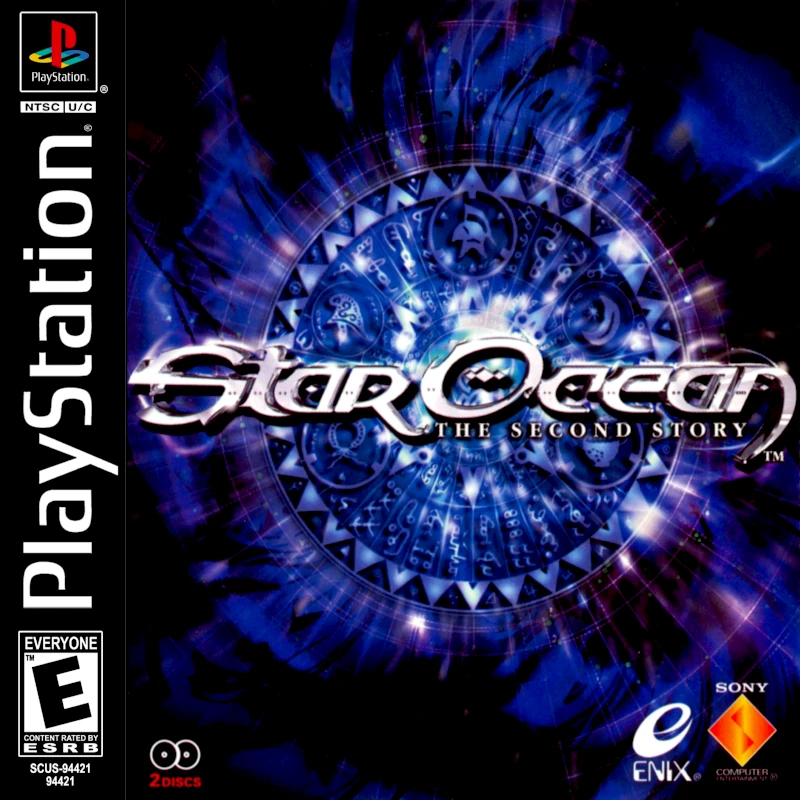
As if there was any doubt. Star Ocean: The Second Story is a fan favorite. So much that I have never met anyone that denies it’s the best game in the series. I’m not one to disagree. Initially I was sold on the game from the commercial advertising tons of endings. That’s a misrepresentation. I think Enix should have instead pushed the battle system. At the time we didn’t have a lot of action RPGs with traditional role playing mechanics like in Final Fantasy. That’s what Star Ocean: The Second Story brought to the table. Yes, it’s not the first, but it did it so well.
Star Ocean: The Second Story takes place in the future. Presumably in the real-world. It’s hard to say because while there are references to Earth everyone is drawn as anime characters. That’s not realistic. Regardless you play as a member of the Earth federation force named Claude Kenni. At the onset he is transported to a planet with fantasy trappings. It’s also lacking in technology. That’s why his laser gun is mistaken for a sword of light of legend, and he’s tasked with saving the world. It’s a unique scenario that plays on the futuristic setting in a fun way. Here you wander a 3D world map containing towns, dungeons, etc. You know the drill. Difference here is that battles are in real-time. You can move freely, and you’ll have to in order to fight. Star Ocean: The Second Story has a fun story, and combat is an absolute blast.

#1. – Soul Blazer
Yeah, I’m probably the only one that has this opinion. I stand by it. Soul Blazer is an absolutely incredible action RPG. It’s my favorite one. I think most people don’t like Soul Blazer because it’s a bit lacking in the story department. The gameplay is all aces however. In this game you play as a servant of god. He’s a nameless angel. Of course the game doesn’t use religious terms so I’m just filling in the blanks here. He is sent to a fantasy world in order to save its citizens from a demon named Deathtoll. This entity has captured every living thing, and now rules the land unopposed.
Soul Blazer plays like a traditional action RPG. It uses an overhead perspective, and the graphics are sprite based. You explore empty towns, and then travel into dungeons where you fight enemies. These spawn from monster lairs, and defeating a set number of evil doers activates a switch. Pressing it releases a living thing back in town from captivity. This equates to a neat town building feature, but it’s linear and completely out of your hands. Still the progression here is really neat, and traveling back to town to interact with the folk you have saved is really rewarding. The dungeons are very light on puzzles, and instead rely on the action to keep you busy. Soul Blazer isn’t particularly pretty, but it has one of my favorite soundtracks of all time. If you haven’t played it then please do. I hope you’ll enjoy it as much as I have.
