
When the Nintendo Gamecube released I was sure Nintendo had corrected all of the problems they had with their prior console. They finally ditched cartridges (although they went with smaller proprietary discs) and they didn’t seem so adverse to third party games. While the console was my second favorite of that generation it came in a solid third place. So what went wrong? Things like Nintendo’s kid friendly image and their aversion to online gaming held the console back. Regardless it was a mighty fine console. I’ll come right out and say it. The Nintendo Gamecube was underappreciated. It’s a system that I still play on a regular basis, and it’s just as fun as it always was. That’s why today I’ve decided to highlight the Top 100 Best Gamecube games. Let’s get into it.
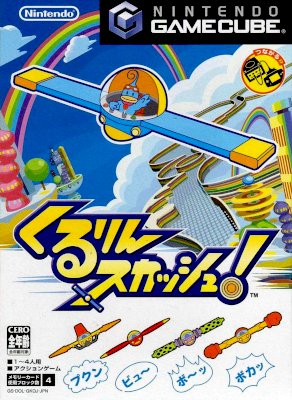
#100. – Kururin Squash!
We’re kicking things off with a really basic game, but it’s a fun one nonetheless. Kururin Squash has you guiding a flat platform that’s constantly spinning. You view the action from the side and can move this ship in all directions. Your simple goals are to collect coins and reach the end of the stage. You take damage whenever your vessel touches the environment, or other elements in each stage. Your only real ability is to control the speed of rotation of your ship. This will be needed constantly because you have tight spaces to move through. This is a very challenging but highly addictive title. Kururin Squash was not released outside of Japan but it’s not one to sleep on. Despite the simple graphics and gameplay this one is highly challenging.
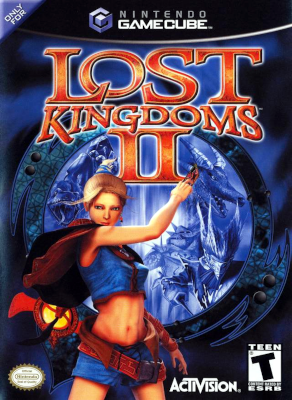
#99. – Lost Kingdoms II
The Gamecube was absolutely hurting for role playing games. That’s not exactly a secret. FromSoftware delivered one of the first hits with Lost Kingdoms. Unfortunately that one didn’t make this list. We’re only talking about the sequel today. Lost Kingdoms II improved the combat system in some notable ways, and is just plain more fun to play. Not only are the settings and story more interesting but the combat system is better as well. Here you use cards for combat. I know that’s going to be an instant turn off for some right out of the gates. Bear with me though. You move around in real-time and activate cards using the face buttons. When one is used you’re given another from your deck. The battle system is surprisingly fluid with some neat effects and summons. Plus it’s FromSoftware back before they took off.
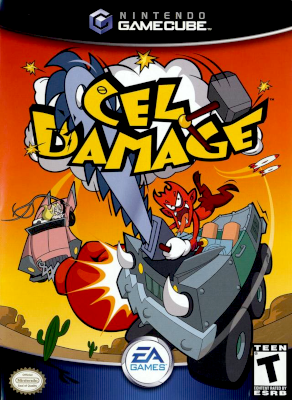
#98. – Cel Damage
Remember when car combat games were a thing? We do. For a hot minute these were super popular. Unfortunately that faded out after the 32-bit era. Cel Damage was one of the early releases on the Nintendo Gamecube. True to its name the game uses cel-shaded graphics for a very cartoon style over the top look. The gameplay matches the art style. In the game you’ll drive around blasting opponents with a full arsenal of different weapons. Playing with other humans is frantic and fun. My only real complaint is that it can be hard to tell exactly what’s going on. Gameplay is too often very chaotic. It comes with the territory though. If you’re looking for a vehicular combat game that doesn’t take itself too seriously, and you can handle the sensory overload then Cel Damage is a good choice.
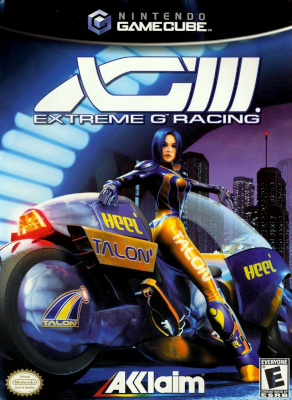
#97. – XGIII: Extreme-G Racing
F-Zero popularized futuristic high speed racing games. Extreme-G was kind of a play on this, but with advanced motorcycle type vehicles instead. After two successful installments on the Nintendo 64 the developers saw it fit to continue the series into the next generation. The results were great. The action is fast, and it looks pretty good in motion even today. One of the things I really like about this game is the weapon mechanics. You don’t pick up new weapons. Instead you charge the weapons of your ship by driving over fields. This is also how you restore the life bar of your vehicle, but with a different type of energy field. Sometimes you have to choose between the two based on their placement. The game is still fun to play today, but despite the move to disc-based media it doesn’t have a ton of content.
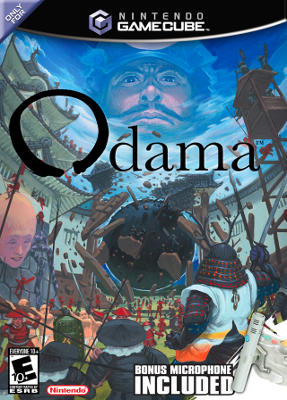
#96. – Odama
Despite not liking pinball (or pinball games by extension) I feel like I spend a lot of time talking about it. In the case of Odama this is because of just how different it is. That’s it’s best quality. Odama is basically pinball, but weird. That’s my analysis anyway. This is a war game wherein you guide the ball (which is called the Odama) across the battlefield to dispatch enemy armies. You can also tilt the battlefield to change course for the ball, and will need to do so frequently. Odama came packaged with the Gamecube microphone and this too is put to use. Using the microphone the player can issue basic (strike that, ‘very basic’) commands to their own soldiers. It only recognizes a few inputs such as retreat or left/right directional movement. Regardless Odama is a very unique game. There’s nothing else quite like it.
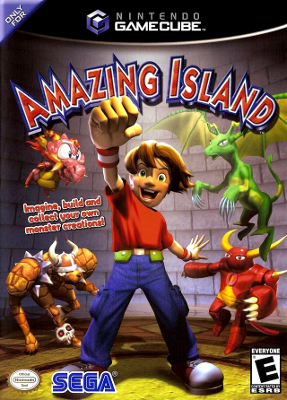
#95. – Amazing Island
If I was to give the most basic description possible of Amazing Island it would be Mario Party combined with Pokemon. That wouldn’t do it justice however. When you first start out you have to create monsters to use in the main game. From here you participate in mini-games using said creature. While the premise is unique the gameplay isn’t. The mini-games are also based on twitch mechanics requiring you to repeatedly press buttons. It gets repetitive pretty quickly. Regardless it’s surprisingly fun to mess around with the monster creation system. What’s more is the multiplayer is quite a bit of fun. Amazing Island may not be Mario Party, but it doesn’t need to be. It’s entertaining in its own ways.
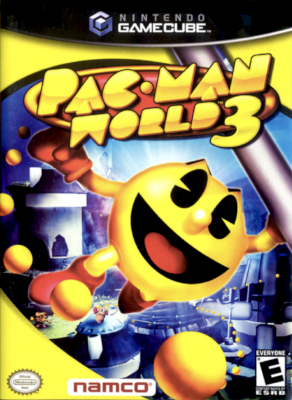
#94. – Pac-Man World 3
The Pac-Man world games have always been a fun diversion. Namco needed to keep the yellow pellet muncher relevant in the move to more powerful hardware, and making these games 3D platformers was as good an idea as any. Pac-Man World 1 and 2 were fun, as is 3, but a few things went wrong here. For one thing the level designs just aren’t as good. Gameplay feels more repetitive than it did in the last installment. There’s also the issue of the lowered difficulty. Namco apparently didn’t realize that fans of the franchise were going to be older. After all Pac-Man debuted in the arcades in the 80s. Still this isn’t a bad game. Pac-Man World 3 is a good, simple and fun romp that can easily be considered one of the best Gamecube games of all time.
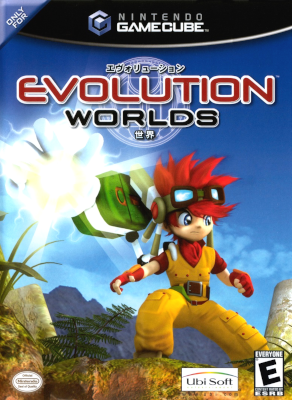
#93. – Evolution Worlds
Sega Dreamcast fans didn’t have a lot of RPGs to choose from in the first few years the console was on the market. Evolution was one of the first ones, as well as its sequel. These didn’t re-define the genre by any means. They did however offer some relatively fun dungeon crawling action. These are borderline rogue-likes in how simple and demanding they are. Sting decided to help out Gamecube fans by packaging the two titles together and release them in one package on Nintendo’s console. The evolution games still aren’t incredible, but I find them to be mildly enjoyable still. Some changes were made however. Unfortunately the original Evolution suffers with a lot of its dungeon crawling condensed. The cut scenes are also stripped down. The second game retains pretty much all of its content as far as I can tell though.
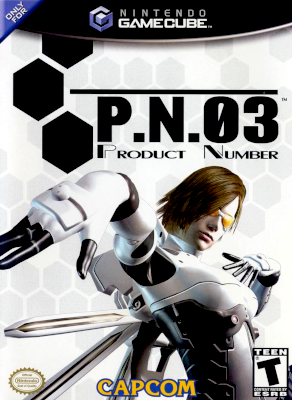
#92. – P.N.03
Here we have the original release from the Capcom 5. For those not in the know this was a series of exclusive titles the developer announced for the Nintendo Gamecube. There was a fair amount of hype surrounding these releases but most of them were panned by critics. P.N.03 perhaps suffered the worst fate. The game is a third person shooter with some really unusual controls. You can move the main character Vanessa in some really acrobatic ways, but the inputs are hard to get down. The level designs are also a fair bit repetitive. I expected to dislike this one when I first played it but there’s a really addictive arcade quality to the gameplay. It takes some getting used to but there’s some fun to be gleaned from P.N.03. It’s a shame that no one really understood it at the time of release.
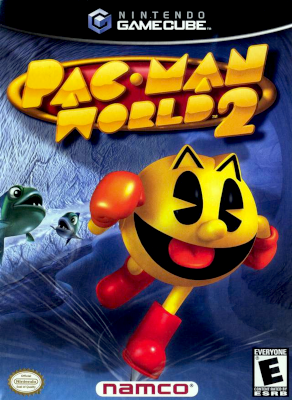
#91. – Pac-Man World 2
As I’ve already mentioned Namco needed to find a way to keep Pac-Man relevant. The franchise is absolutely legendary after all. After a successful outing on the PS1 Namco decided to release Pac-Man World 2 on all three consoles, and the results were quite good. This one had the modern luxuries of 3D platformers of this generation, but also felt distinctly Pac-Man at the same time. That’s a win in my book. I really like how despite the move to 3D gameplay you’re still running around collecting pellets. In addition to the ability to run and jump (and eat, it’s Pac-Man of course) the little guy can also perform a butt stomp. You’ll also gain new moves from eating special fruit. In an era lacking standout platformers Pac-Man World 2 stands out from the pack (pun intended).
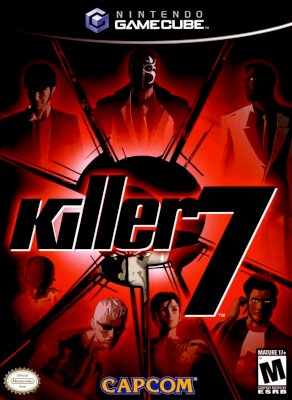
#90. – Killer7
It’s crazy to think that this was Suda51’s first game released outside of Japan. If you ask me they made the wrong choice. While this is one of the best Gamecube games of all time it’s also one of the developer’s strangest releases. It obviously didn’t resonate with gamers here because no one seems to remember this one. Killer7 is another of the Capcom 5 games, and it’s also the most unique ones. Killer7 follows a narrative that has you playing as seven different characters. It’s an on-rail first person shooter, but not quite a light-gun game. Instead of controlling a reticule you instead select targets to shoot. Additionally each character has a special ability that can be activated. It makes for a pretty weird gameplay experience, and the graphics are very abstract. I like Killer7 but it’s admittedly not for everyone.
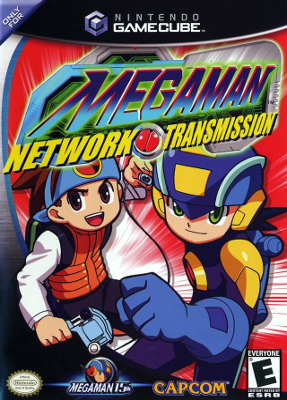
#89. – Mega Man: Network Transmission
The Gamecube was a Nintendo console. You would think that it would have been flooded with Mega Man games. That’s not the case. Capcom was a bit conservative with the franchise at the time. Regardless the Gamecube did get some Mega Man love, and even an exclusive game. This is Mega Man: Network Transmission. The premise here is based on the spin-off series we knew and loved on the Game Boy Advance. Here the action is strictly two dimensional. This one plays more like the classic Mega Man games but with many of the battle network nuances. The end result is pretty good, but not amazing by any means. Instead of enemy abilities Mega Man is now powered up with battle chips. His abilities get pretty interesting, but it’s not quite on the level of the classic series. This one went mostly ignored which is a shame because it’s fun.
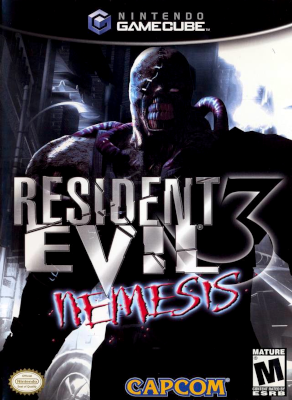
#88. – Resident Evil 3: Nemesis
Capcom was all in on the Nintendo Gamecube when it came to Resident Evil. The series producer Shinji Mikami said he wanted all of the games to be available for the console. Fans expected remakes of every single game, but unfortunately that never came to fruition. Instead we got ports of everything except the original. Resident Evil 3: Nemesis on the Gamecube is the same game as it was on the original PlayStation. The resolution and character models are a bit touched up, but that’s all the changes that were made here. It’s a testament to the game’s quality that such an old port even made this list. RE3 Nemesis is terrifying, and a lot of fun to play even now. Until the remake for modern consoles this was the best way to experience the game.
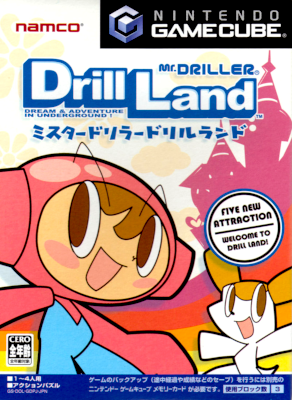
#87. – Mr. Driller: Drill Land
Mr. Driller is fun no matter which console you play it on. That fact remains true even today. Mr. Driller has such a fun and basic formula that it’s hard to screw up. Your simple goal here is to, well, drill. That much can be gleaned from the title. This is a 2D puzzle game wherein you destroy blocks to move further down into the mine. These are colored and come in different shapes. Your basic goal is to not get squashed by those that fall after being dislodged by the player. You have to move quickly because there’s an oxygen meter that’s constantly counting down. Mr. Driller takes a lot of strategy and the gameplay is highly addictive. This Gamecube version features multiple characters, as well as a myriad of different gameplay modes. This might just be the most complete version of Mr. Driller ever released.
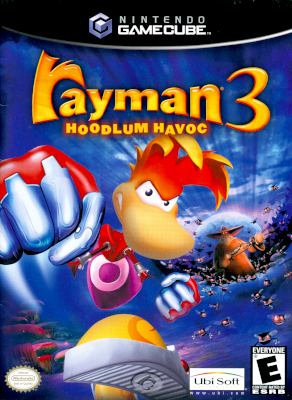
#86. – Rayman 3: Hoodlum Havoc
Rayman 2 was one of those once in a lifetime platformer games. The character’s first foray into the 3D realm is still relished even today. Ubisoft had to follow it up with a winner, and they did for the most part. Rayman 3 did the job but didn’t quite match its predecessor. The fact that a lot of other competent 3D platformers were released before it didn’t help. Honestly this one was kind of lost in the mix. Despite this I had a lot of fun with Rayman 3. The game plays a lot like its predecessor. In fact I would call this sequel ‘safe.’ You guide the character around various 3D environments as you unlock new abilities for the character thus gaining access to new spots. Rayman now has a long ranged punch and can kick. Unfortunately it doesn’t feel like an evolution.
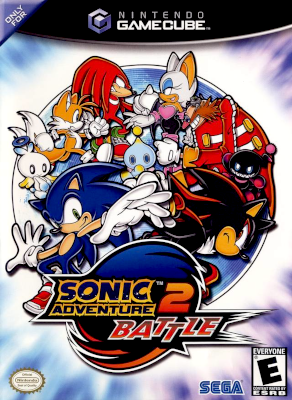
#85. – Sonic Adventure 2: Battle
This was the first Sega game released on a Nintendo console. It was the end of an era when Sonic was released for the Gamecube. Sega started out with the second Adventure title and added some content to it. Unfortunately this was deep into the era where Sega threw all of Sonic’s friends into each game. The Sonic and Shadow levels are amazing. These feature some fun platforming and action sequences. Unfortunately the Tails and Robotnik levels are bland and boring. Worse yet are the Knuckles and Rouge stages where you have to hunt for chaos emeralds. This battle edition also adds some multiplayer modes that are surprisingly fun. Competing in the City Escape sequence with a friend is an absolute blast. Unfortunately Sonic Adventure 2 just wasn’t amazing, and this expanded version doesn’t save it.
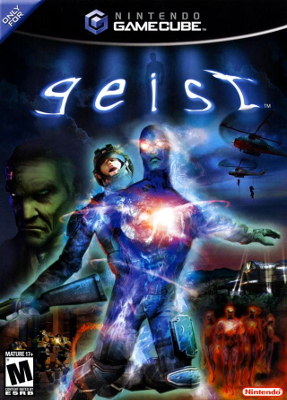
#84. – Geist
The first person shooter was another genre in which the Gamecube was lacking. The console never had an answer for Halo, or even Killzone. Instead what we had was Geist. It was fine. You’re fine. We’re all fine. The game was not amazing. It was unique, but that didn’t make it particularly great. Geist is fun though, and that’s what matters. The game has all the standard first person shooter elements. There is a variety of different guns all with separate ammunition, and squads of enemies coming at you. What sets this one apart however is the fact that you play as a soul. You have to possess people and things to progress. It makes for some fairly unique solutions to puzzles. I like switching between various foes to move forward. Geist wasn’t the mega hit it needed to be, but that doesn’t mean it isn’t entertaining.
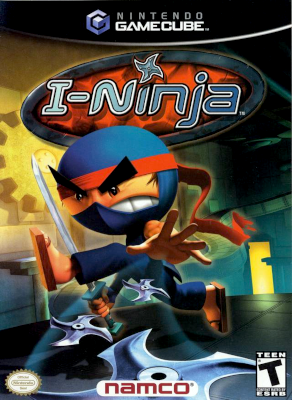
#83. – I-Ninja
This one was kind of a surprise hit. I-Ninja was released on all three consoles but I first played it on the Gamecube. It was a huge surprise to say the least. This third person action game has you playing as a bite sized ninja as you explore surprisingly large environments and do battle against foes. Combat is surprisingly intuitive. Most of the time you’ll spend hacking and slashing up enemies. The best part of I-Ninja is just how acrobatic your character is. He can double jump, spin slash, and even run along walls in some sections. It feels downright fantastic in motion. Unfortunately the visuals are a little on the child friendly side. I suppose that’s why I-Ninja went mostly ignored upon release. This Gamecube version is absolutely solid and still worth playing.
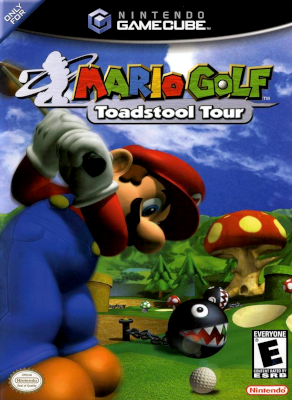
#82. – Mario Golf: Toadstool Tour
If you ask me Golf is an old man’s sport. I’ve tried to enjoy it, but I guess I’m still too young. I need some kind of twist to really enjoy it. Playing as Mario and company is just enough to make it interesting for me. This title follows the basic rules of golf, but with some Nintendo twists. This is what makes it fun in my opinion. Your goal may be simply to get the ball into the hole at the end of a course, but what’s interesting are the twists. The terrain has exotic obstacles to block your way. This includes things like piranha plants and chain chomps. I may not be very good at Golf, or golf based video games by extension, but Toadstool Tour kept me coming back for more. It’s not incredible by any means but a good game of Golf? You betcha.
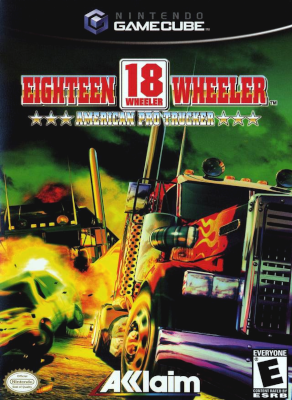
#81. – 18 Wheeler: Pro American Trucker
Sega makes some of the best arcade racers of all time. In my opinion that’s not something that’s up for debate. They already had Sega Rally and Daytona so it was interesting to see them try something different. In this case it’s big rigs. 18 wheelers to be specific. The game has you competing against the clock to make deliveries on-time. Because we aren’t dealing with stock cars or rally vehicles controls are significantly different. Everything feels so heavy here, but in a good and realistic way. Driving a big rig in a video game may sound boring, but in this case that’s far from the truth. The levels may consist primarily of interstates and highways, but it’s highly addictive and quite fun in practice. This might be a simple Dreamcast port but 18 Wheeler: Pro American Trucker is a real treat on Gamecube.
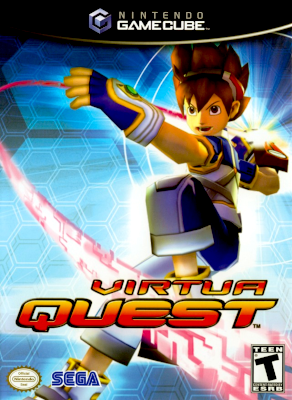
#80. – Virtua Quest
I still remember when this one was in development. It was originally announced as Virtua Fighter RPG. Hey, I thought that’s what Shenmue was? This promised title ended up being Virtua Quest, and it wasn’t what anyone expected. For one thing Sega made the game very kid friendly. On another note it’s barely an RPG. The game simply also lacks the polish and care put into your typical Virtua Fighter game. That’s not to say that it’s bad. This one is clearly a cheap spin-off. That doesn’t mean it’s bad though. Virtua Quest is pretty decent after all is said. Gameplay is fairly solid even with the sluggish controls. Gameplay is primarily action based with the RPG mechanics focusing around customization. Honestly this one isn’t as bad as everyone said it is.
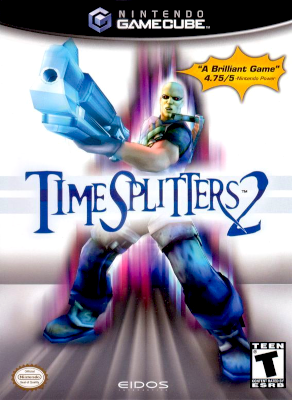
#79. – TimeSplitters 2
The first Timesplitters wasn’t a very good game. It wasn’t a worthy follow up by ex developers of Goldeney 007 on the Nintendo 64. I know that’s an unpopular opinion, but facts is facts. Timesplitters 2 still doesn’t feel like it measures up, but with that sentiment casted aside it’s actually a pretty decent first person shooter. Like the original Timesplitters 2 doesn’t make any sense in single player from both a story and gameplay perspective. Where this one shines however is in its multiplayer modes. When playing with friends the gameplay holds up surprisingly well even today. The level designs are good, and gunplay feels pretty tight as well. It also helps that there’s a ton of options. The only downside to this Gamecube port is that it lacks network connectivity. I’ll give it a pass this time.
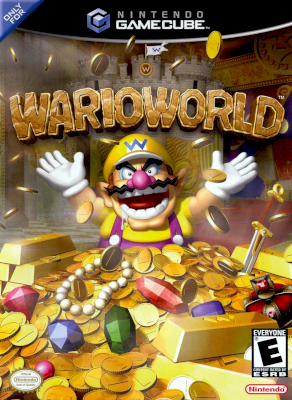
#78. – Wario World
At this point Wario’s main contribution to the video game space was the Wario Ware spin-off series. It was kind of surprising that an action based platformer/beat em up hybrid was released in this time starring everyone’s favorite anti-hero. Even more shocking is the fact that it was developed by Treasure. Wario World is a fully 3D action game where the focus is on punching, and throwing enemies. It’s a novel approach to the character. Everything is highly exaggerated here but it works purely to the benefit of this title. Combat feels surprisingly good here. It’s highly rewarding to approach each situation and use all of Wario’s tools to take out screens full of enemies. Gameplay is solid (would you expect anything otherwise from a Treasure game?) and it has a fun premise. Wario World got a lot of unjust hate at release. It’s a good game.
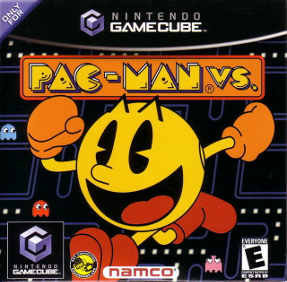
#77. – Pac Man Vs.
I almost feel guilty placing this one so high on the list. Pac Man Vs isn’t even considered to be a full game by many. At its heart this is still the original Pac-Man. Your goal is to eat all the pellets in a stage while avoiding ghosts. The difference here is that the ghosts are controlled by human players. Oh and whomever takes control of Pac Man will need to do so on a Game Boy Advance connected to the console with a link cable. The ghost players have a limited 3D view of the stage on the television while the star of the show can see the entire play field on the GBA’s little screen. This is the game that sold me on asymmetrical multiplayer. It’s like the Wii U before that was a thing. Unfortunately the additional hardware needed made this one a chore to set up.
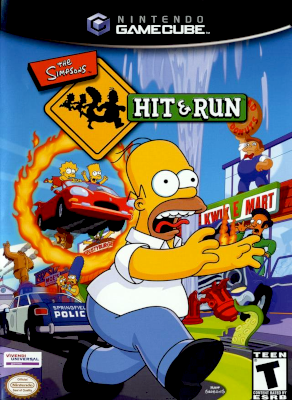
#76. – The Simpsons: Hit & Run
Grand Theft Auto is good. The Simpsons is even better (as long as we’re talking about the early seasons). So a mix of the two should be awesome, right? It is. The Simpsons: Hit & Run is one of the most frequently mentioned titles of this era. There’s good reason for that. Driving around the fictional version of Springfield and completing tasks for its citizens feels nice. Actually it’s great. This was one of the first times we had a 3D version of the city that we could explore. Here it’s re-created with tremendous care. The gameplay is mission based but it always feels true to the Simpsons world. That’s why I love Hit & Run. It’s good mindless fun for those of us that are fans of the franchise. In my opinion it’s the best Simpsons game ever released.
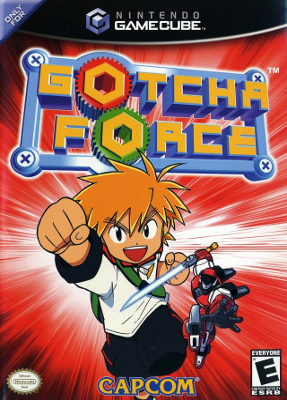
#75. – Gotcha Force
Who doesn’t love to collect parts and build things? If you’re like me and do, then Gotcha Force has your number. This was one of those many smaller releases that Capcom made for the platform intending to target children. Thing is Gotcha Force has enough meat to it to keep even adults satisfied. It’s a basic mecha combat game but instead of hulking robots you’re commanding toys. It’s more exciting than it sounds. After you’ve customized your fighters you’re thrown into a 3D arena to do battle. Both players are constantly locked on to another and combat encompasses both short and long range play. It’s an interesting game that was kind of panned by critics at release. I don’t care what they say. Gotcha Force is a pretty good game overall.
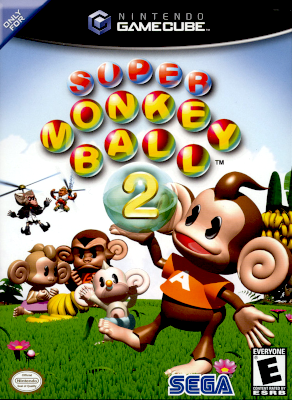
#74. – Super Monkey Ball 2
Hot off the heels of their Gamecube launch title Super Monkey Ball, Sega got right to work on its sequel. While I loved the first one its follow up doesn’t quite capture the same magic in my opinion. It’s still a great time, but I would remiss if I didn’t say it has a few level design issues. Basically your goal is to tilt the environment using the Gamecube controller’s analog stick to roll a ball from one end of a stage to the next. It’s basically Marble Madness but with a few twists, and spiffy 3D graphics. The game gets downright challenging fast. What’s more is it’s purposely disorienting. The real highlight is once again the multiplayer though. These are mini-games with different objectives than the main quest, and can be played with one to four different players. They’re an absolute blast.
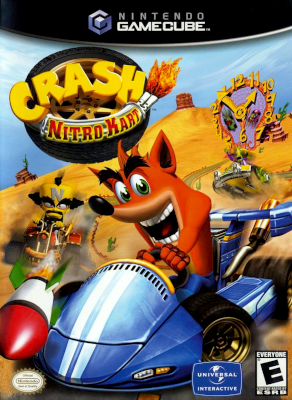
#73. – Crash Nitro Kart
The simple fact is that if you were a popular platforming game mascot in this era then you had a kart racing game. That was just the rule. I didn’t make it. Crash Team Racing was a pretty big hit on the original PlayStation. Now that everyone’s favorite bandicoot was multiplatform its follow up came out on all major consoles. Unfortunately it’s just not as good as the original in my opinion. It plays the game safer and feels like the developers were afraid to experiment. Crash racing games have always played second fiddle to Mario Kart, and this case is no different. While I do think the critics were a little harsh on this one I can see why. Regardless, I like Crash Nitro Kart, and there is nothing wrong with this Gamecube port.
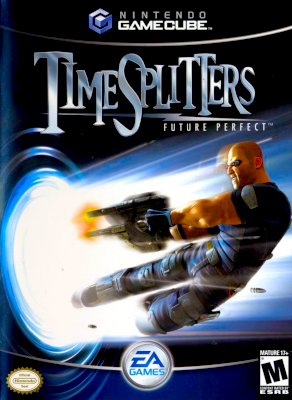
#72. – TimeSplitters: Future Perfect
The big claim to fame with this series is that the developer, Free Radical, was composed of several people who worked on Goldeneye 007 but then left Rareware. I remember at the time everyone saying that you could feel the influence in these titles, but I was never able to see it beyond the fact that they belong to the same genre. Regardless, Future Perfect is the very best in the franchise. It is absolutely loaded with different options in multiplayer. There’s so much here that you could spend months with it and never get bored. The story mode is typical first person shooter fare, but a little goofy. It’s okay. The only downside to this release is that while the Xbox and PS2 versions featured online play the Gamecube one was left out in the cold. That doesn’t matter anymore because the servers have long been offline.
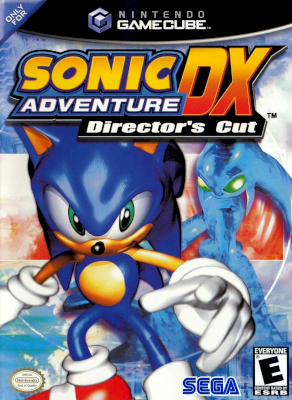
#71. – Sonic Adventure DX: Director’s Cut
After the success Sega had with Sonic Adventure 2: Battle on the Gamecube they decided to bring the original over too. That’s a good thing considering I thought this was the better game after they both released on Dreamcast. This is an enhanced version of Sonic’s first official mainline foray into the world of 3D. It’s just as fun as it always was, but a few things were added. There are new missions, and even the ability to unlock Metal Sonic as a playable character. Graphics have also been touched up with better character models and texture work. Even the Chao Garden was re-worked to be compatible here. The Gamecube lacks the VMUs the Dreamcast used, and instead you can connect the GBA to the console to partake in this monster raising mini-game. It’s every bit of fun here as the game was when it released on the Dreamcast.
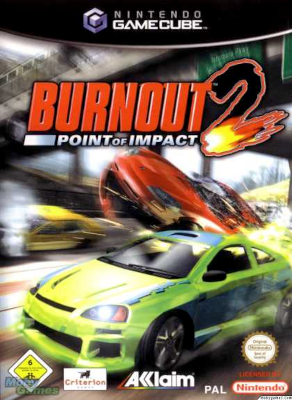
#70. – Burnout 2: Point of Impact
I may not be the biggest fan of racing titles, but Burnout 2 is undeniably good. It’s best quality is that it rewards you for playing like an idiot. That’s the best way to enjoy a racing game in the first place, and the fact that this one encourages it is amazing. Basically you gain boost by pulling off risky moves. This includes feats of mindless fancy like driving down roads against traffic, drifting corners at dangerous speeds, etc. It’s a novel approach that I really like. The real bread and butter however is the crash mode. It’s just like it sounds; your goal is to smack into other vehicles and cause the most damage possible. This is more technical than it sounds; crash mode is best approached like a puzzle. It’s really entertaining and quite addictive to play.
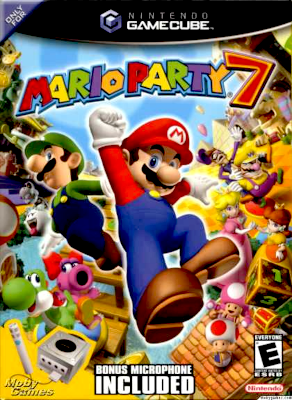
#69. – Mario Party 7
Everyone loves a good celebration, and Mario just happens to throw the best parties. To be honest at this point the formula was wearing a little thin. Most gamers picked their favorite Mario Party game and stuck to it. The series didn’t need as many iterations as we got. With that said Mario Party 7 is still a pretty good game. It’s a board game/mini-game collection just like its predecessors. You can play it alone, but I don’t recommend that. Mario Party 7 is only really enjoyable if you have a room full of people to play it with. This iteration brought with it some new mini-games, additional modes, game boards, etc. Some of the content is unfortunately recycled, but even by now it was still quite a bit of fun. In my opinion this is the second best Mario Party game released on the Gamecube.

#68. – Beach Spikers: Virtua Beach Volleyball
If I’m going to play a sports game chances are I’m reaching for a Sega title. That’s especially true for releases in this era. Beach Spiker was first released in the arcades, and then ported to the Gamecube a year later. This is volleyball, for better or worse. The gameplay however is surprisingly fluid and I had little trouble jumping right in. Gameplay is pretty standard for the sport, but there’s a lot of depth specifically in regards to the strength of your hits. This is common practice for Sega titles, but it works especially well here. Unlocking new swimsuits and accessories is also a big part of the game. There are some classic Sega uniforms you can use which is pretty neat. If you like volleyball then this one is a good choice. If you don’t then it won’t change your mind on the sport.
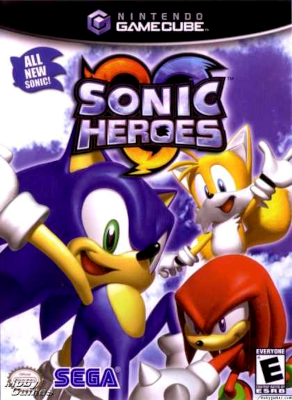
#67. – Sonic Heroes
The Sonic Adventure ports were nice, but for fans of the franchise these were games we just played a few years ago. We wanted a new Sonic. One that finally took advantage of the more powerful hardware. We finally got that with Sonic Heroes. My first complaint is that the gameplay focuses on team based mechanics. You don’t control just one character. Oh no, that would make too much sense. Instead you have a team of three with one active at all times, and cycle to the others when you need their abilities to progress. It’s a classic case of Sega trying too hard with the franchise, but you know what? It kind of works. Once you get used to it that is. The gameplay is fun and focused. Stages are pretty streamlined but that’s okay because it has some fun platforming challenges to overcome.
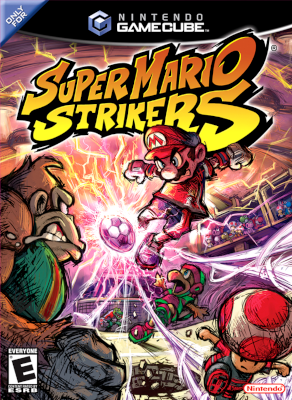
#66. – Super Mario Strikers
It’s a well known fact by now that Mario and crew are multi-sports prodigies. It’s surprising then that it took the plumber this long to star in a soccer game. I mean, tennis before soccer? Come on. This also just happens to be one of his best sports titles yet. In my opinion it’s because the game takes a less serious arcade approach to the genre. You’re encouraged to break the rules and hit everyone. Besides that, and some franchise based twists, this is a pretty standard soccer game. You can dash, lob the ball, and slide tackle foes. Single player is pretty fun, but this one is an absolute joy when you get some friends together. If you’re a fan of soccer and want something a little more lighthearted then Super Mario Strikers is the perfect choice.
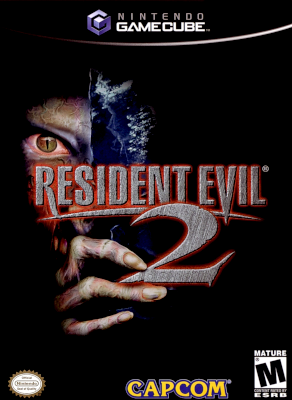
#65. – Resident Evil 2
Normally Resident Evil 2 would be at the top of any list of the best games, regardless of the console it was released on. I couldn’t in good faith place it any higher on this one though. By this point Resident Evil 2 had already been ported to a multitude of different platforms. This version features the bare minimum amount of enhancements. Sure, it looks slightly prettier but you’re getting a PS1 game here. Regardless, RE2 is still one of the best survival horror games of all time. Exploring a zombie infested Raccoon City and digging deep into the spooky police station is absolutely perfect as far as the genre goes. Even when this port was released it was still scary and shocking. I can appreciate making all of the mainline games in the series playable on one console at the time, but I expected more from a Gamecube port.
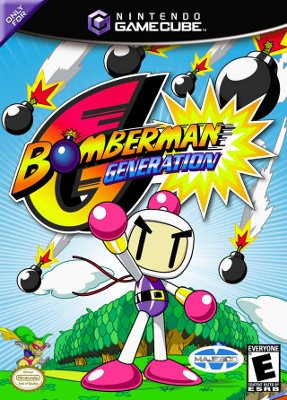
#64. – Bomberman Generations
I’m a sucker for Bomberman. This franchise has given me some of my favorite multiplayer moments throughout the decades. The best part of Generations is that it’s classic Bomberman. The developers went back to what works, and it most certainly does here. Explosions are back to the classic plus icon shape, and gameplay is strictly from an overhead perspective. It also must be said that this is an absolutely beautiful game. The cel shaded graphics here are timeless, and I still like seeing this one in motion. Multiplayer is also fleshed out with a tremendous number of options and play styles. Reversi battle is one of the best twists in the franchise with you and the other players competing to flip tiles with your bombs. My favorite mode however is dodge battle where you cannot place bombs, but must avoid them as they fall from the sky.
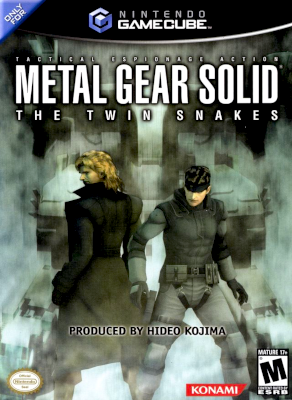
#63. – Metal Gear Solid: The Twin Snakes
Up to this point the Metal Gear Solid franchise had been a PlayStation mainstay. That’s why it was surprising that a remake of the first game was announced for the Nintendo Gamecube. Even more surprising is the fact that it was developed by Silicon Knights (the team behind Eternal Darkness). The Twin Snakes isn’t just a pretty new coat of paint. While the level designs and enemies are the same this game introduced some new ways to combat foes. For one thing you can aim firearms from a first person point of view. Also, the perspectives in several stages have been altered. These may sound like minor changes but they make a pretty big difference here. While I’m not the biggest Metal Gear Solid fan the Twin Snakes is undeniably good.
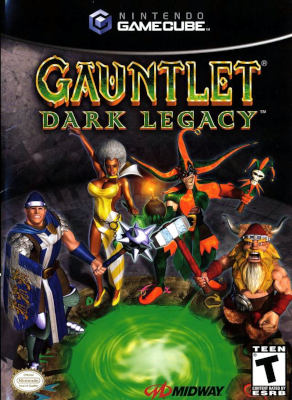
#62. – Gauntlet: Dark Legacy
Gauntlet: Dark Legacy was one of the first really good third party multiplayer games. This one is an expansion of sorts from the Nintendo 64 release. Here four friends choose their characters, and then work together fighting through hordes of monsters. Gameplay here is best described as an arcade style RPG. You gain stats and upgrades, but these are easy to come by. The game is also divided into stages and these are rather short, but have some pretty good designs. As far as complaints go I have a few. Gameplay feels a little shallow and repetitive. It feels like more of the time spent here you’re mashing buttons, and facing off against the same enemies over and over. Regardless, Gauntlet: The Dark Legacy is a fun little game, and the Gamecube is a fantastic place to play it.
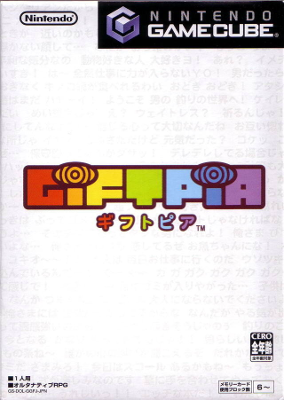
#61. – Giftpia
The Gamecube was not a huge hit in Japan. Despite this there are still several import only games on the platform that are worth playing. Giftpia is one of these such releases. At one point a localization was planned by Nintendo but they quickly dropped it. It’s not difficult to see why. Giftpia is odd. It looks weird, and the gameplay is even stranger. In Giftpia you play as a young boy named Pokkul. The adventure starts when he sleeps in on the day of his ceremony to become a man. Now he’s trapped unless he completes various tasks for the inhabitants of the town. If you’ve ever played Moon RPG Remix Adventure then you have a pretty good idea of what to expect here. I absolutely love the crazy cel-shaded graphics and abstract art style. The game is also ripe with humor.
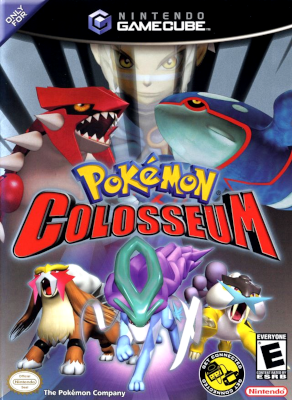
#60. – Pokemon Colosseum
On the Nintendo 64 we had the Pokemon Stadium series. These were companion titles to the Game Boy releases, and allowed you to battle your creatures in full 3-D. It was a good novelty. Pokemon Colosseum continues this trend, but adds a lot more to the package. You have the ability to upload your creatures from the GBA games and battle in glorious 3D again. Functionally this is similar to the Pokemon Stadium titles, but with all the new features that the third generation brought to the mix. Nintendo didn’t stop there however. They included a full 3D story mode. A console Pokemon RPG is what fans always wanted. Unfortunately this one is noticeably low budget, and focuses on the gimmick of shadow Pokemon. Regardless it’s still a neat little role playing game.
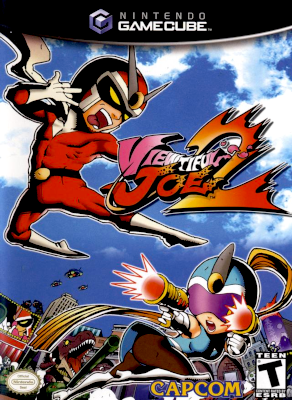
#59. – Viewtiful Joe 2
The first Viewtiful Joe had a fair amount of hype. It was after all a Capcom exclusive game on a Nintendo platform. It lived up to expectations by offering a more classic beat ’em up experience, and was hard as nails. The sequel is almost as good as its predecessor. As Joe (or Sylvia this time around) you run left and right across the screen punching and kicking foes into oblivion. There’s also a handy dodge mechanic that when successful temporarily stuns foes. One of the most interesting mechanics is the VFX powers. These are meant to emulate old style film effects, and grant you various short lived abilities. Viewtiful Joe 2 offers more of the same only prettier and with more layers to it. While it’s a great game I do prefer the level designs and enemies in the first game.
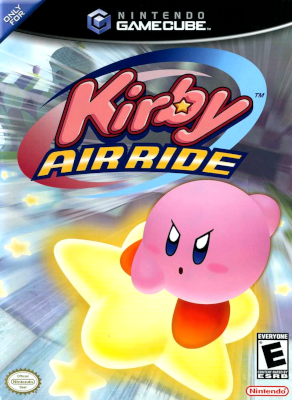
#58. – Kirby Air Ride
This is the closest to a Kirby kart racing game that we’re ever going to get. It has the same style of arcade gameplay that Mario Kart does, but this one is more simplistic. For example the characters move forward on their own. You can steer them left and right, and even charge up for a burst of speed. This is particularly handy when you’re trying to get around corners because your character slows way down while charging. While gameplay has less meat to it than your average kart racer the level designs are fantastic. Multiplayer is where this one shines. While players can compete with one another in standard races the highlight is in the City Trial mode. This has you and your friends flying around a city collecting power-ups and new vehicles within a strict time limit. At the end you use all of these in a battle.
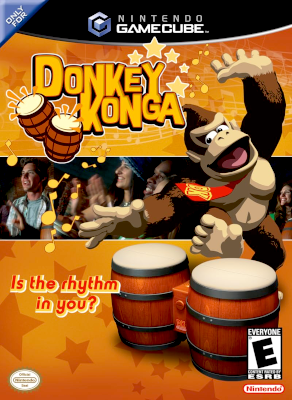
#57. – Donkey Konga
In the early 2000s it seemed like developers were going all in on rhythm games with instrument peripherals. This is Nintendo’s take on the genre. In Donkey Konga you use a bongo based controller. When I first heard of it I was worried the gameplay would be too simplistic. Nintendo managed to spice things up as you must hit the bongos in specific ways to match the symbols on-screen. It’s much more fun than it sounds. I would even go so far as to say I like Donkey Konga more than Samba de Amigo. That’s saying a lot. The tracklist is rather small, but it has a lot of decent music. While most of it is licensed there are even some songs ripped straight out of past Donkey Kong games. You might look silly while playing it, but the embarrassment is well worth it.
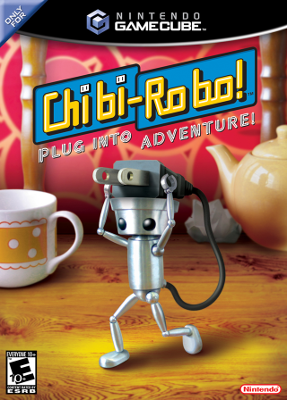
#56. – Chibi-Robo!
Family friendly doesn’t always equal boring. Nintendo has proven this time and time again. Chibi-Robo, in particular, is one of the best examples. In this game you play as a miniature robot whose goal is simply to make the people living in a house, well, happy. Thing is he’s limited in just how much he can do. Almost every task you perform drains his battery. Making the residents of the household is fairly easy. You can do things like picking up trash, or cleaning up messes. The game is also structured in its story mode and has specific missions you must complete in order to move the plot forward. Where this one excels is in how fun it is to explore the environments. Many games have taken the small character in a big world approach, but few pull it off with this much finesse. Exploration is downright fun here.
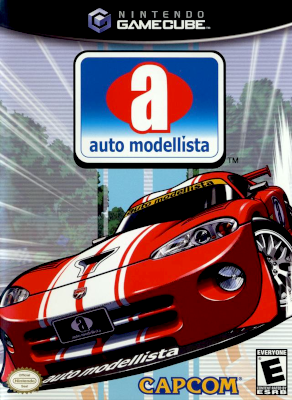
#55. – Auto Modellista
You can always count on Capcom to deliver quality titles. Auto Modellista is no different. This is a surprisingly technical racing game that manages to provide depth while featuring a tight racing engine. I loved customizing my cars and hitting the track to see what’s different. This alone makes the game super replayable. It’s also super stylish. Auto Modellista is entirely cel shaded. While one might assume that this would result in a childish looking title that’s far from the truth. The graphics look like a moving cartoon, sure, but it looks darn good. This is especially true when you see the game in motion. It’s truly one of the best looking racers of this generation. You know what? It still looks amazing. Auto Modellista is absolutely still worth playing, and there isn’t anything wrong with the Gamecube version.
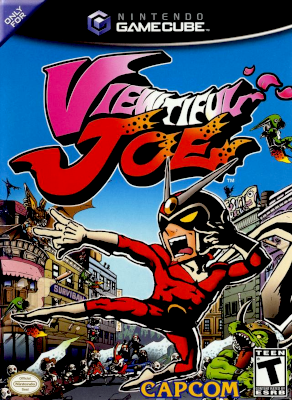
#54. – Viewtiful Joe
You didn’t think we were done with Viewtiful Joe now, did you? In my opinion the original release is better than the sequel. That boils mostly down to personal choice but I found this one more challenging. It’s also more rewarding. Viewtiful Joe is a cel shaded side scrolling beat ’em up with one heck of a gimmick. You start out as Joe. He’s a simple somewhat nerdy guy who has a superhero living inside of him. Upon releasing this he becomes Viewtiful Joe, and gains a myriad of new abilities. The game is heavily based on film and media. Your special abilities are based almost entirely on this niche of pop culture. You can do things like slow down time, speed the action up, zooming in which allows for new abilities, and more. It’s a pretty neat idea, and the execution is downright flawless.
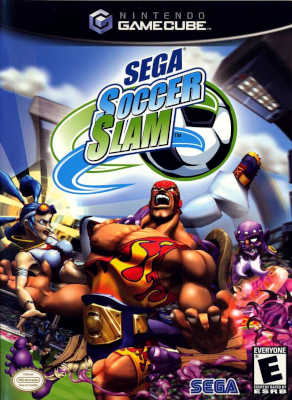
#53. – Sega Soccer Slam
Sega sports games just hit different. This is especially true when they don’t take themselves too seriously. Sega Soccer Slam is the best example I can think of this. This game is to soccer what NFL Blitz was to football. I mean that in the best way possible. This one features over the top characters and the ability to completely break the rules. You can pretty much just smack around the opposing team should you so choose. Despite the over the top approach Sega Soccer Slam offers up a really good game of soccer. Gameplay is extremely smooth and rewarding. The main highlight however is in the multiplayer mode. You and three friends can hit the field and absolutely decimate friendships. This one is easily one of the best Gamecube multiplayer games of all time.
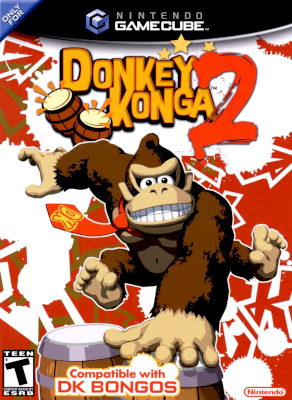
#52. – Donkey Konga 2
Were you suckered into buying the Gamecube bongo controllers? Nintendo put them to use once more with a sequel to everyone’s favorite drum smashing game. With that said this one is largely the same thing. You hit the bongo controller in specific ways as notes move across the screen. They didn’t exactly re-invent the wheel. What Donkey Konga 2 does have however is a new tracklist. It’s just unfortunate that once again they’re using cover versions. Regardless a rhythm song is only as good as it’s set list, and this one is pretty solid. Oh, and the graphics have been improved too. Odds are if you made the mistake of purchasing the bongo drums you’re going to want to get as much mileage out of them as possible. That’s where Donkey Konga 2 comes in. Plus, it has Smash Mouth’s All-Star. I know, I know.
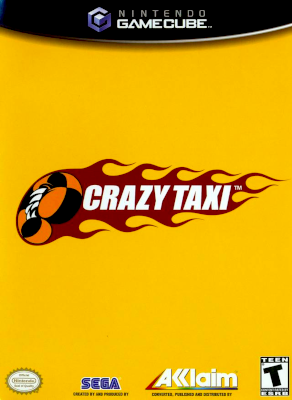
#51. – Crazy Taxi
The Gamecube (and other consoles from this generation) had a lot of Dreamcast ports. No one was complaining because most of these were amazing. They also featured improvements to graphics and gameplay. Crazy Taxi is pretty much the base arcade game, but there’s nothing wrong with that. In this title you play as a cabbie who’s only out to get the most fares. You drive around the city (which is based on San Francisco) heading to properly marked places where risers were waiting. Once you picked them up they had specific destinations you had to reach within short time limits. Let me just say that the gameplay is shallow. That was the intention though. Crazy Taxi is pure arcade bliss and those wanting to just bounce around the city while catching a vibe then this is a fantastic choice.
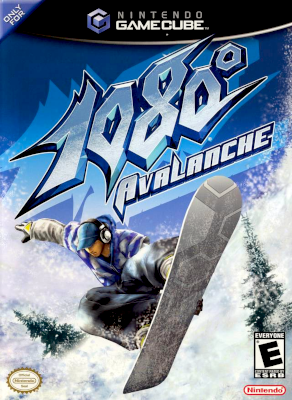
#50. – 1080° Avalanche
Like Wave Race: Blue Storm this is a follow up to a Nintendo sports title that launched on the 64-bit console. 1080 Degrees Avalanche retains the same basic gameplay as its predecessor. In a time when competing snowboarding games were focused around intricate trick systems this one instead has tunnel vision focused on racing and speed. Unfortunately when you’re up against something like SSX that just doesn’t cut it. Regardless this game is pretty fun. The races are furious and the snow based physics feels really good. The most impressive part of this game however are the avalanche sequences. In certain conditions you’ll be barreling down the hill trying to avoid waves of snow coming your way. This means dodging falling debris and of course the loose powder itself. It’s an interesting twist to the formula, and makes for a good snowboarding game.
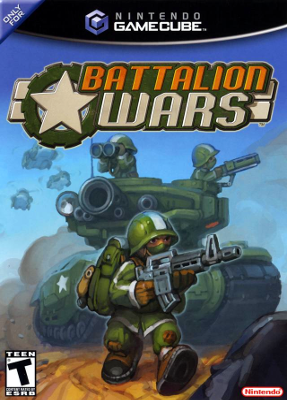
#49. – Batallion Wars
The ‘wars’ series has been a mainstay on Nintendo consoles and handhelds. That is, if you live in Japan. The first installment the West received was on the Game Boy Advance. It must have been a pretty big hit because Nintendo localized every sequel since then. When this franchise hit the Gamecube some significant changes were made. For one thing gameplay was now more akin to a real time strategy game. This was a stark contrast to the turn based titles that came before it. This isn’t your standard genre showcase however. For one thing it’s fully 3D. Batallion Wars also more closely resembles a third person shooter at times. You take direct control over your units while fighting off incoming enemies. It’s no Advance Wars, but this game has a lot of its own charms. It’s also quite a bit of fun to boot.
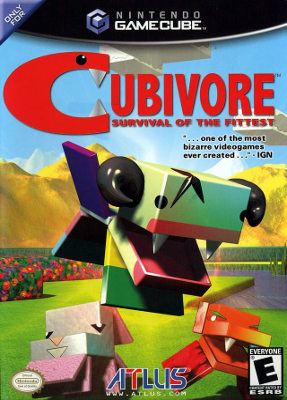
#48. – Cubivore: Survival of the Fittest
Cubivore is one of the most unique games released on the Gamecube. What’s really interesting is the fact that this one uses block art years before Minecraft became a thing. This game is all about eating. Hey, I can get behind that. As a little creature your goal is only to consume and become more powerful versions of your former self. It’s an action adventure game with some cool RPG elements. You attack enemies, tear off their limbs, and eat everything you can. It sounds dark but the simple graphics have a childlike wonder to them. Cubivore may seem to play clunky at first glance but that’s intentional. As you become more powerful you get new abilities and even your movement is improved. This is a very cool game. I just wish Nintendo had faith in it and didn’t leave it up to Atlus to publish.
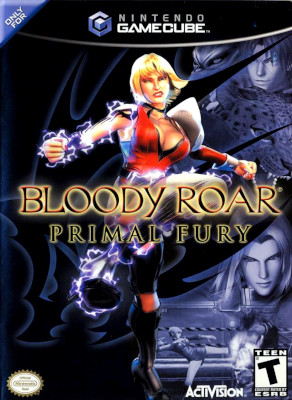
#47. – Bloody Roar: Primal Fury
The Gamecube didn’t have a lot of great fighting games. Bloody Roar: Primal Fury was basically it for the first few years. What’s really cool for fans of the series is that this isn’t simply a port of the third title. Primal Fury is its own thing. Gameplay has been balanced in a few different ways. Some characters are a little better and others slightly worse. Additionally we have two new faces added to the mix, and the basic graphics have also been improved. This one doesn’t have enough new content for a sequel, but it’s a fantastic stopgap release. In my opinion Primal Fury is better than the third installment, and even the fourth. Unfortunately the Gamecube controller isn’t particularly good when it comes to this genre. If you can get past that you’re in for one heck of a fighting game.
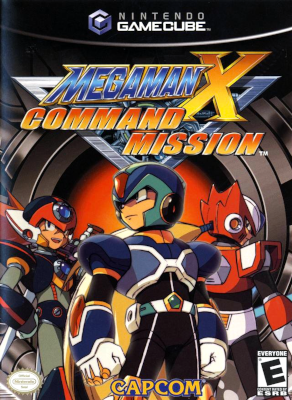
#46. – Mega Man X: Command Mission
Mega Man and role playing games are two great flavors that taste great together. While the franchise already had several RPGs in the form of the battle network titles this one ties together the series in some really thoughtful ways. The battle system here is strictly turn based. Battles offer you a lot of different options with several characters to use. Exploration however is a little limited. Command Mission is based on a linear mission structure. You can find robots to help you out with exploration. These can be used to find treasure, for example, and are well worth seeking out. Mega Man X: Command Mission might be a little short, and limited when compared to most RPGs. It does however feel like a Mega Man X game through and through, and that’s enough for me.
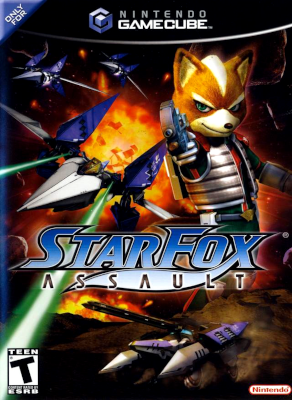
#45. – Star Fox Assault
This was the generation where Nintendo started forgetting about Star Fox. It’s sad, but true. After the really odd Adventures spin-off Nintendo decide to outsource the franchise to Namco. Thus Star Fox Assault was born. For the most part this game plays like a classic SF title. You command the iconic arwing ship with a team of three other CPU controlled allies as you tackle a variety of different stages. The game is a traditional rail shooter at heart, but it comes with some odd twists. For one thing certain missions are handled on-foot. These sequences play like a pretty standard third person shooter but the controls take a little getting used to. What’s cool is you can hop in ground based vehicles, or in some instances even the arwing, and fight your way through the stage in different ways. It’s a cool game, but perhaps too entrenched in gimmicks.
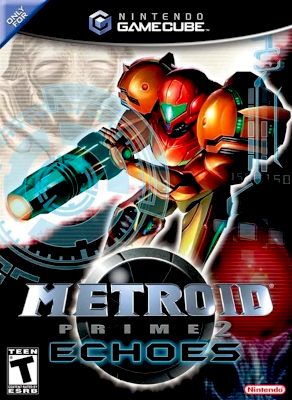
#44. – Metroid Prime 2: Echoes
Metroid Prime was a significant title in numerous ways. It showed that Nintendo had not forgotten about the franchise, and that they were willing to experiment with bringing it into 3D. It wasn’t quite as big a hit as they had hoped, but they still greenlit a sequel. Metroid Prime 2 is largely more of the same but with some basic improvements. This sci-fi based first person shooter puts the emphasis on scanning the environment to learn more about the world. Prime 2 introduces a new dynamic with a light and dark world. The general layout between these is the same, but they feature different items, enemies, and obstacles. It’s a good twist to the Metroid Prime series. Personally I prefer the original because it has a more interesting world to explore. There really isn’t anything wrong with this sequel though.
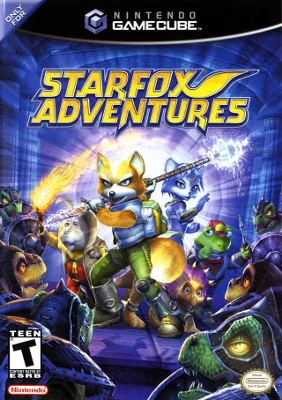
#43. – Star Fox Adventures
Rare’s last game as a Nintendo second party is also one of their strangest. Star Fox Adventures started life out as Dinosaur Planet on the Nintendo 64. Shigeru Miyamoto, after having seen it, suggested they use the characters from Nintendo’s established franchise instead. The end result takes Star Fox and company out of the skies and thrusts the anthropomorphic fox into a Zelda-like action adventure title. On release this one got mixed reviews, but I really liked it. Combat is a lot of fun. The game uses the classic ‘Z-targeting’ mechanic popularized by Ocarina of Time. Fox moves smoothly and precisely while fighting foes with his staff. The graphics are also downright gorgeous with amazing fur effects used at every turn. Star Fox Adventures may not be as good as Ocarina of Time, but it’s a pretty decent effort. This one really makes me miss the franchise.
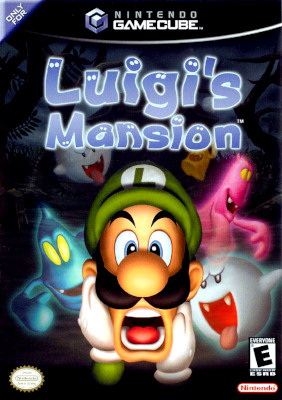
#42. – Luigi’s Mansion
It made major headlines when the Gamecube’s launch marked the first time Nintendo released a console without a mainline Mario title. While no one thinks twice these days it was a huge deal back then. To make up the lack of Mario Nintendo instead gave his brother Luigi a starring role in a smaller scale title. This one took the unusual route of playing more like a survival horror adventure game. The end result was Luigi’s Mansion, and it’s a pretty interesting release. Your goal here is to explore a mansion filled with ghosts, and suck them up using the plumber’s otherworldly vacuum cleaner. There’s no platforming to speak of. There are however plenty of really light puzzles, and a physics engine that keeps things interesting start to finish. This one later went on to become it’s own series, and with good reason. Luigi’s Mansion is a lot of fun.
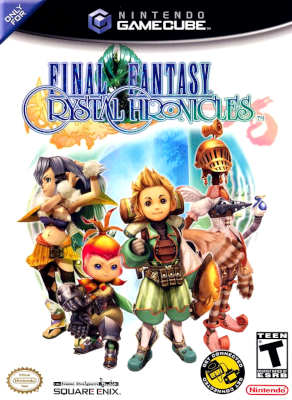
#41. – Final Fantasy: Crystal Chronicles
This game marked the return of Squaresoft to Nintendo consoles after entirely skipping them in the previous generation. Unfortunately this isn’t a big budget mainline entry. Rather, it’s a spin-off. Final Fantasy Crystal Chronicles is an action RPG with an emphasis on multiplayer gameplay. Here you and three other friends venture through dungeons plagued with a deadly gas called miasma. The only way to ward this off is by staying within the protection zone of a special item the adventurer’s carry with them. Problem is there’s only one of these. That means all players have to stay pretty close to one another. Unfortunately the game’s multiplayer can only be enjoyed by linking Game Boy Advance systems to the console. This means not many had the chance to experience multiplayer to its fullest. In the rare instances you had three friends with GBA units Crystal Chronicles could be a blast.
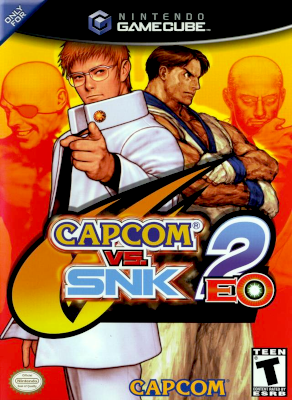
#40. – Capcom Vs. SNK 2: EO
Going into this generation Nintendo had a serious problem. Their last console lacked a lot of spectacular fighting games, and it looked like the Gamecube was going to be in the same boat. Fortunately that wasn’t the case. Capcom Vs. SNK 2: EO was a port of the popular fighter but had some console specific nuances to accommodate the controller. Basically this was the dream game for fans of the genre. It combined the rosters of both Capcom and SNK games in to one. It also balanced the engine to accommodate for both playstyles. I love this game, but admit that the Gamecube controller wasn’t designed with the genre in mind. To make up for this the game includes a GC-ism mode to make grooves easier to pull off. The end result was simply one of the best fighting games for the Gamecube.

#39. – Pokemon XD: Gale of Darkness
Pokemon Colosseum must have been a pretty big success because it didn’t take long for Nintendo to announce their follow up. Gale of Darkness focuses even less on the stadium type battles and puts more emphasis on the single player RPG mode. This one takes place five years after the last iteration. Shadow Pokemon once again return, and play a huge role in the story and gameplay. You have to snag these critters from other trainers in order to purify them and restore their hearts. It’s different enough from the mainline games that it makes sense that this was a console spin-off. What’s more is the fact that you could transfer Pokemon to the handheld games. It made building a worthwhile team even easier. Plus, who could resist when the game features shadow Lugia on the cover? Pokemon XD: Gale of Darkness is one of the best Gamecube RPGs.
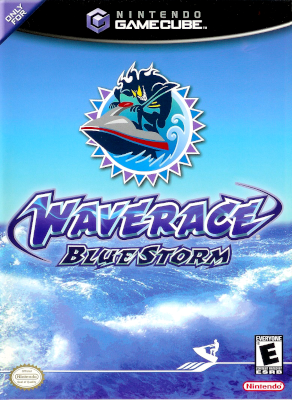
#38. – Wave Race: Blue Storm
Wave Race 64 was one of the most significant releases on the Nintendo 64. Its sequel, Blue Storm, launched with the Gamecube. It never reached the same legendary status as its predecessor, but it’s still an excellent racer. Plus, the world needs more jet ski racing games. The first thing you’ll likely notice about Wave Race: Blue Storm is just how beautiful the water effects are. This was one of my first big next gen ‘wow’ moments at the time. The physics engine is also a real treat to experience as you battle to maintain momentum with waves crashing at you from all angles. The racing engine is not quite as solid as in the last outing but the smooth gameplay and excellent course designs more than make up for this. The developers also added some amazing weather effects that actually change the way you move through the water.
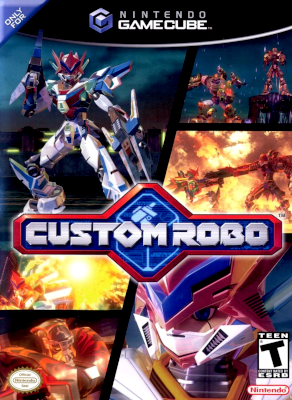
#37. – Custom Robo
You have to hand it to Nintendo. Sometimes they really come through for fans regarding franchises long left in Japan. Custom Robo on the Gamecube was the fourth installment in the series, and was the first one localized for English speakers. This game is based around battling teeny tiny robots against one another in closed off arenas. Think Virtual On, but more aimed toward kids. Not that that’s a bad thing. Battles are entirely in real-time with a visual indicator of the hit points of your robot as well as the enemy. You fire weapons, and use melee attacks with the ultimate goal being to destroy each foe. These battles are fast and frantic. I love how smooth the gameplay is. The best part of Custom Robo however is the customization options. Throughout the adventure you gather various parts and can assign them to your little guy.
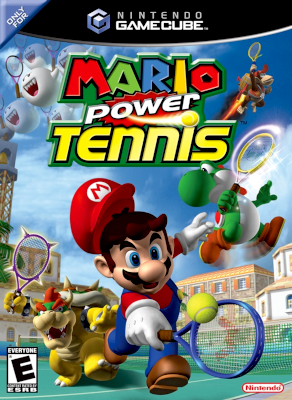
#36. – Mario Power Tennis
Mario is no stranger to sports. Nintendo has thrown him into just about every kind of recreational activity available. Tennis however is his strong suite. Mario Power Tennis is a noticeable upgrade from the past outings. Not only are the graphics better, and the framerate improved, but even the gameplay is noticeably smoother. I like Tennis games in general, but there’s some real magic behind these Mario titles. That’s because of how much Nintendo brings in from the franchise. Each character has a signature power shot and these are a real joy to pull off. You can play a more serious game or can opt to use the gimmick courts. These throw obstacles at the player which include obstacles ripped straight out of other Mario games. While single player is enjoyable you’re going to get the most out of this one with a room full of friends.
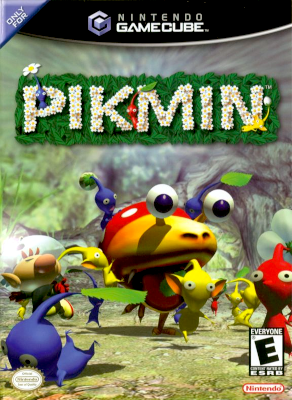
#35. – Pikmin
Pikmin was one of Nintendo’s big new series introduced with the Gamecube. In this title you assume the role of a spaceman named Olimar. He crash lands his ship on a foreign planet resembling Earth, but everything is gigantic sized. Except for him of course, and the strange creatures that inhabit the world named Pikmin. He is tasked with finding the missing parts to his ship to repair it before his oxygen depletes. He’s just one guy though, and he’ll need to recruit the Pikmin to help him. This game plays kind of like a strategy adventure game. When you gather the critters you can send them out to perform actions on the environment. This can be anything from fighting foes to picking up and moving objects. It’s a really interesting system that makes this world a lot of fun to explore. Pikmin should be tedious, but somehow it’s not.
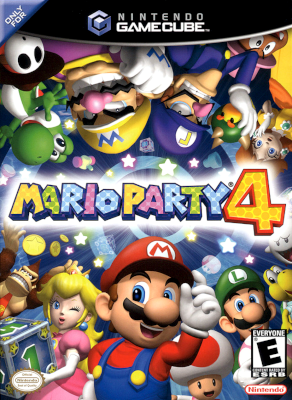
#34. – Mario Party 4
Nintendo has a habit of flooding every one of their systems with Mario Party titles. This was the first one that released for the Gamecube, and in my opinion, the best. That’s because Mario Party 4 was the safest of the sequels. It didn’t make any significant changes as to how the boards are played or the goals in the mini-games. Instead it just offered new ones, and a bigger number of them to boot. Oh and it’s worth mentioning that this release marked Waluigi’s first appearance in the series. Mario Party 4 is basically a board game filled with mini-games to compete in. You and the other players take turns moving spaces, and when you land on specific ones you’re thrust into a real-time event. These are the highlight of the game and can get very competitive. As one might guess it’s a great party game.
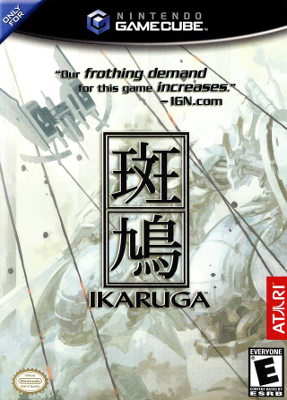
#33. – Ikaruga
You can always count on Treasure to provide some of the best games in any genre they touch. Ikaruga is no exception. This is a bullet hell shooter with excellent level design, fun enemy patterns, and a killer gimmick. Basically your ship has two sides; one dark and the other light. This can be switched on the fly. You fire bullets in the same color as your ship. Thing is they can only damage enemies or negate attacks of the opposite color. This means you can’t be hurt if you’re flying through shots in the same shade as your ship. With that said Ikaruga is one of the most challenging and frantic shooters I’ve played. There is little room for error. If you’re looking for a good shooter on this generation of consoles then this is pretty much the best one.
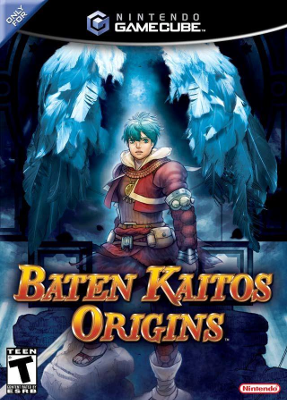
#32. – Baten Kaitos Origins
Baten Kaitos Origins was one of the last big Gamecube exclusive games released for the console. It serves as a prequel to the criminally underrated first game. It’s an RPG (something the Gamecube was sorely lacking in) with turn based combat, pre-rendered backgrounds, and a pretty decent story. There’s a catch however. Combat is based entirely on the use of cards. Every action you perform requires the use of these. Even your equipment comes in the form of cards. The developers improved combat by simplifying it from the original. In the its predecessor each character had their own deck and hand of cards. Here everyone shares one. It works to make battles move along at a more brisk pace. Despite this change I still prefer the original. Now if only Namco and Tri-Crescendo would make a Baten Kaitos 3.
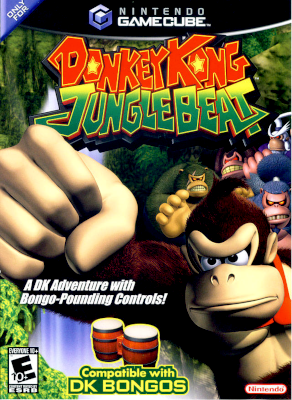
#31. – Donkey Kong Jungle Beat
Remember the bongo controllers we talked about earlier? Well, don’t put those away just yet. Donkey Kong Jungle Beat requires these, but isn’t a rhythm game at all. Instead it’s a side view action platformer. I know, I know. Sounds weird, right? I admit the idea wasn’t an easy one to wrap my head around but somehow it comes together. To move forward you tap the individual drums, and jumping is as simple as hitting them both at the same time. Clapping your hands in front of the controller’s microphone causes DK to send out a shockwave. It sounds tough but I got the hang of it no time. You can too. I was surprised at how natural moving DK was with this controller, and the levels require a fair bit of finesse. Sure, this one can be played with a standard Gamecube controller but where’s the fun in that?
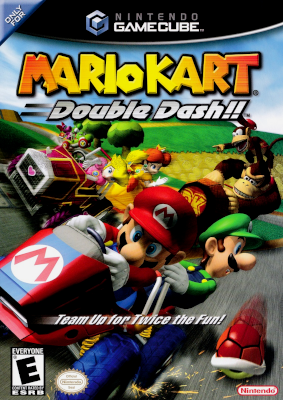
#30. – Mario Kart: Double Dash
The Gamecube era was one wherein Nintendo did a lot of experimenting with their key franchises. Mario Kart was no exception. For some reason they incorporated a pairing system into the mix. Basically each kart has two riders, and you can freely switch between them during gameplay. The inactive driver can hold items for you which is kind of nice, but besides that I find the feature a little pointless. For some reason the speed in this one was toned down from past releases. It feels like the karts kind of put-put around each course this time around. Despite this it’s still classic Mario Kart gameplay which is never a bad thing. I really liked the fact that you could link Gamecube consoles together for enhanced multiplayer. Unfortunately online was left out, but this would be the last time Nintendo made that mistake.
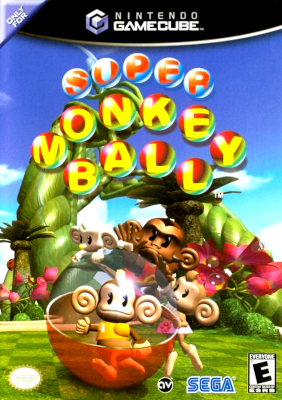
#29. – Super Monkey Ball
This was the big surprise launch game for the Gamecube in my opinion. At first glance it doesn’t look like anything special. I mean, you roll a monkey around in a ball. How fun could that be? Turns out I was wrong. Super Monkey Ball is a 3D take on the classic Marble Madness formula. Rather than directly moving your character around you instead tilt the environment to roll them various directions. The level designs get downright difficult with narrow paths and moving platforms. It takes a lot of precision, but it never gets frustrating because it’s so fun to play. Even better is the various multiplayer modes. Monkey Target is absolutely addictive. If you have a room full of friends this could be some of the most fun to be had on the console.
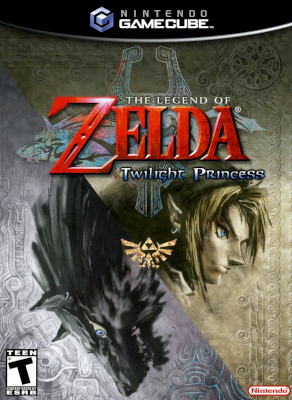
#28. – The Legend of Zelda: Twilight Princess
If you’re like me then the first time you played this game was on the Nintendo Wii. Thankfully they didn’t leave Gamecube loyalists out in the rain. Twilight Princess took a stark direction compared to the Wind Waker. It was the grittiest take on the franchise to date with dark graphics and realistic proportions. The game was also downright gorgeous. Unfortunately I just wasn’t a huge fan of the gimmick here. Soon into the adventure Link gains the ability to transform into a wolf. In these sequences you have to battle monsters, and sniff out clues to your next objective. If I’m being perfectly honest it just wasn’t for me. It also didn’t help that the dungeon designs felt like a step back from the previous iteration. Even a bad Zelda installment is still better than most releases, and Twilight Princess is definitely one of the best Gamecube games.
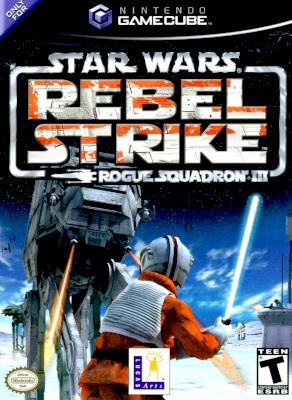
#27. – Star Wars Rogue Squadron III: Rebel Strike
Rogue Leader is still to this day one of the best Star Wars games I’ve ever played. It also helped that it was downright gorgeous and still looks better than many titles released on next gen platforms. Developer Factor 5 decided to release a follow up, and got really ambitious with it. Unfortunately this led to a few missteps. Star Wars Rogue Squadron III is at its best when you’re flying in the X-Wing doing battle with enemy ships. The action here might even be better than its predecessor. It’s certainly more intense. Unfortunately the developers decided to add on-foot missions. They failed to put the same level of care into these as the rest of the game. Here it plays like a third person shooter, but a really clunky one. Gameplay is unrefined. Had these been cut we would probably be looking at the best game in the series.

#26. – The Legend of Zelda: Four Swords Adventures
As a kid I always yearned for a multiplayer Zelda title. I dreamed about it. This finally became a reality when Four Swords Adventures hit the scene. Unfortunately it’s held back by the fact that to actually play it with others everyone needs a Game Boy Advance, and a link cable. Boo. After getting past the high barrier of entry this is the game that actually sold me on the concept. Four Swords Adventures is a 2D Zelda wherein you and friends take control of different versions of Link wearing various colors of tunics. You all start with a sword and shield, but in each level new items can be picked up. The game is heavily based on teamwork with puzzles requiring players to work together to best puzzles and dungeons. What’s cool is that when a player enters a cave the action moves to their GBA screen temporarily.
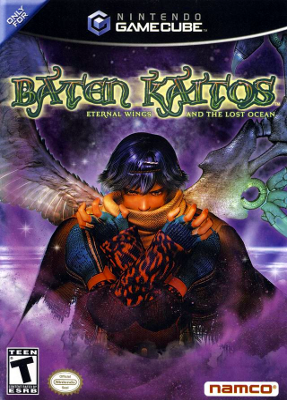
#25. – Baten Kaitos: Eternal Wings and the Lost Ocean
Like I mentioned earlier the Gamecube was sorely lacking in RPGs. It did however have a few, and some of them are amazing. Case in point; Baten Kaitos. On the surface this looks like a traditional big budget role playing game with gorgeous pre-rendered backgrounds and a neat story. Unfortunately it’s held back a bit by the combat system. Instead of simply entering commands in battle you select and use cards that are drawn each turn. At first this seems unwieldly, but eventually you’ll get the hang of things. Everything works well enough, but I can’t help but feel that this mechanic holds the game back. While I enjoyed exploration as well as the battles themselves I found myself getting bored with the deck management utility. Sometimes I just want to kick some butt, but planning out which cards you want to include can really slow things down.
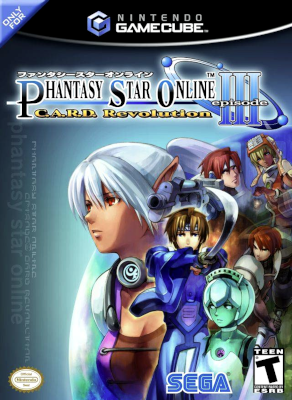
#24. – Phantasy Star Online Episode III: C.A.R.D. Revolution
After releasing an updated version of Phantasy Star Online for the Nintendo Gamecube it wasn’t clear where Sega would take the franchise next. I certainly didn’t think they would revert back to a turn based system that uses cards for its combat. That’s precisely what we got with Phantasy Star Online Episode III. Ultimately I was disappointed at first but the game grew on me. Card Revolution has you battling enemies by summoning monsters using cards. Here you manage a deck of thirty cards and these consist of special cards, monsters, and weapons that can be equipped on your character. It’s a fairly easy to learn battle system, and it works surprisingly well. True to its name this was one of the few online games for the platform, and taking on opponents from across the world was a lot of fun. It’s a shame this one hasn’t been re-released.
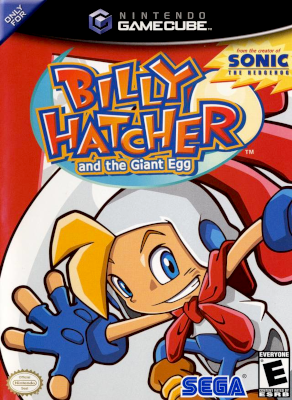
#23. – Billy Hatcher and the Giant Egg
Billy Hatcher was pretty much the only completely original platformer that Sega released during this generation. Sonic Team proved they weren’t a one trick pony with this release. Billy Hatcher has you playing as the titular character and the premise is a little strange. You use eggs to attack foes. These can be found within stages, and you roll them around in front of you. As you collect fruit these eggs grow in size and power, and eventually hatch them. These contain helper animals, items, and more. I really like the mechanics in this game, and the level designs are pretty cool too. Billy Hatcher and the Giant Egg is one of the last really great games to come out of Sonic Team. It’s still a crying shame that Yuji Naka left the company.
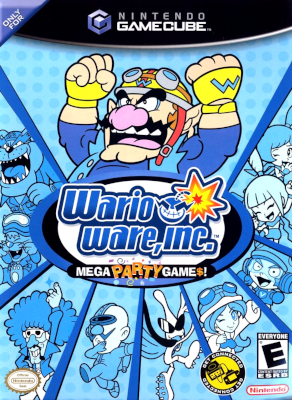
#22. – Wario Ware: Mega Party Games
Wario Ware on the Game Boy Advance was one of the most original and best games released for the platform. So how do you make it even better? Nintendo remade the base game for Gamecube and introduced a newfound focus on multiplayer. The end result is better than I ever could have imagined. This game has you completing mini-games that are extremely basic in nature, and take only a few seconds apiece. Generally there’s just one goal in these events, and it’s spelled out in one or two words at the start. Let me begin by saying that the mini-games were fun on the Game Boy Advance. They were very basic, but that’s the charm behind this title. On the Gamecube it’s a whole other ball game. Multiplayer adds a lot to the experience. This is easily one of the best Gamecube multiplayer games.
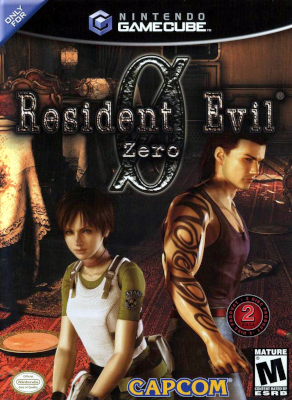
#21. – Resident Evil 0
What’s interesting about this game is the fact that it was once in development as Nintendo 64 exclusive. After the remake to the first title Capcom set to work on this prequel. It uses the same incredible engine and still looks amazing to this day. Resident Evil 0 follows Rebecca Chambers in the events that take place right before the first game starts. The action begins on a train, and eventually moves to, you guessed it, a mansion. Resident Evil 0 uses a unique character switching mechanic allowing you to change between control of Rebecca and her cohort Billy. Gone are the old item boxes, and instead you simply drop items on the ground. Sounds easy enough but it can be tricky to remember where you placed everything. This one has kind of a bum reputation, but it’s both fantastic and a classic.
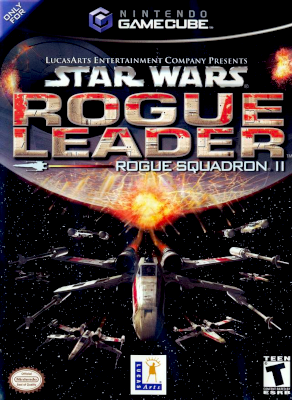
#20. – Star Wars Rogue Squadron II: Rogue Leader
Speaking of Gamecube games that still look amazing this launch title is one of the best looking games of the entire generation. Rogue Leader throws you into aerial dogfights from iconic locations in the series, and it does so with a lot of finesse. Through ten levels you’re given various objectives to complete before you can move on. These make sense within the game, and are a lot of fun to work through. Rogue Leader is classic Star Wars through and through, and even the gameplay feels like what you would suspect from the franchise. What you might not expect though is just how pretty this one is. The graphics are seriously better than just about anything else you will find on the Gamecube. Some sequences look like they were lifted straight out of the movies, but with better special effects.
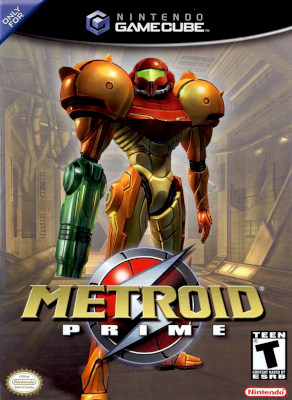
#19. – Metroid Prime
The release of Prime marked the return of the Metroid series after completely skipping out on the Nintendo 64. This game moved the franchise in a new direction with gameplay that more closely resembled a first person shooter. Samus has all of her old moves, including the ability to shrink down into a ball and roll around. In these sequences the camera shows the action from a third person perspective. The really interesting thing is how story focused this one is. It’s not that the narrative takes center stage, rather, you can elements of the environment and are given rich backstory on everything. This not only fits the Metroid franchise extremely well but also hits home the signature feeling of desolation in the series. Thankfully the shooting action is a lot of fun too. Metroid Prime was released to a lot of accolades but it had very little staying power.
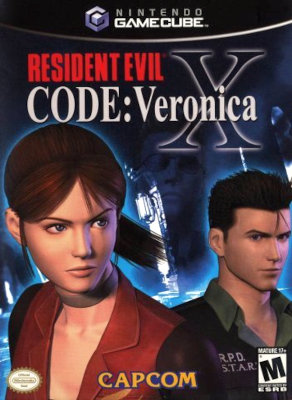
#18. – Resident Evil CODE: Veronica X
Code Veronica was one of the first major third party games on the Sega Dreamcast. It was, for all intents and purposes, the real Resident Evil 3. It moved the franchise forward with fully 3D backgrounds. It’s also one of the longest games in the series. Capcom released an updated port for the PS2 with more content and story sequences, and this was later brought to the Gamecube. Code Veronica X gets a lot of shade thrown its way. Most fans of the franchise don’t like the sheer amount of backtracking, or the new enemies introduced here. Personally I really like it all. It’s classic RE and in the best way possible. I love the setting of Rockfort island, and the story (while extremely cheesy) adds a ton of lore to the series. Plus, this one brought back both Claire and Chris Redfield. Code Veronica is seriously underrated.
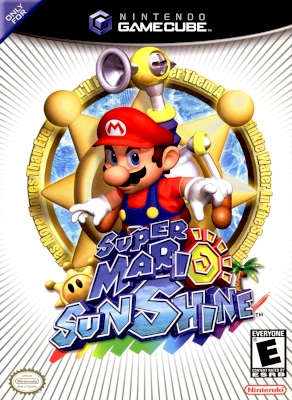
#17. – Super Mario Sunshine
This is easily one of the weakest mainline Mario releases. The thing is, the series is set at such a large bar that even a disappointing installment is still going to be one of the best video games of all time. Super Mario Sunshine is one of the best examples of Nintendo experimenting with one of their franchises. It has the same basic premise as Mario 64; you collect items in each stage (in this case shines) to unlock new levels. Nintendo decided they weren’t satisfied with the character’s default moveset and decided the plumber needed a water pack on his back. This can be used to spray water, propel himself forward, or even shoot into the sky like a rocket. The gameplay is good, and the new setting of Delphino Island is interesting to say the least. My only complaint is it’s not traditional Mario.
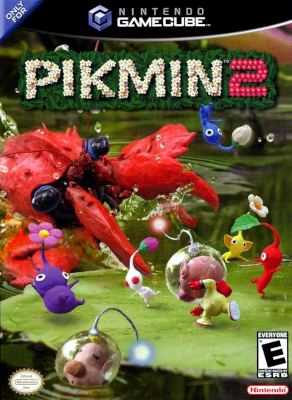
#16. – Pikmin 2
The first Pikmin was a great game. The real time strategy elements paired perfectly with the exploration and puzzle based gameplay. Nintendo always does right by their fans when it comes to sequels, and Pikmin 2 is no different. The basic premise remains the same. You expore the world as a tiny space man but this time you’re on the hunt for treasure. Captain Olimar is joined by his friend Louie, and some of the puzzles are based on teamwork between the two characters. No doubt the biggest upgrade this time around is the lack of a time limit. You can play Pikmin 2 at an even more relaxed pace and really take everything in which is nice. There’s also a fantastic multiplayer mode that works surprisingly well. I enjoy the new varieties of Pikmin, and the way they are integrated into puzzles. This here is a great sequel.
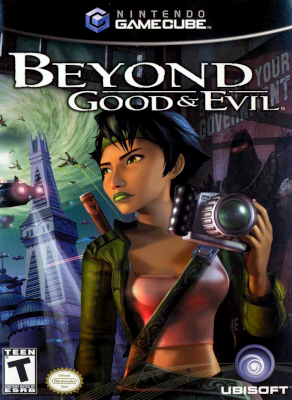
#15. – Beyond Good & Evil
One of the best Zelda-like games of all time came out on the Gamecube from one of the most unlikely of sourses; Ubisoft. Here you play as a photojournalist named Jade who is investigating the invasion of an alien force in the future on a fictional planet called Hillys. Gameplay is reminiscent of Zelda and is firmly rooted in the action adventure genre. You fight enemies and explore the environments all while solving pretty light puzzles. There’s an emphasis on stealth mechanics here that works really well. One thing I really love about this game is world itself. It’s full of anthropomorphic animals and pseudo futuristic devices/architecture. It has a ton of charm. Gameplay is also very smooth, and traversing the world is a lot of fun. You even find vehicles to use and these were some of my favorite sequences in the entire game.
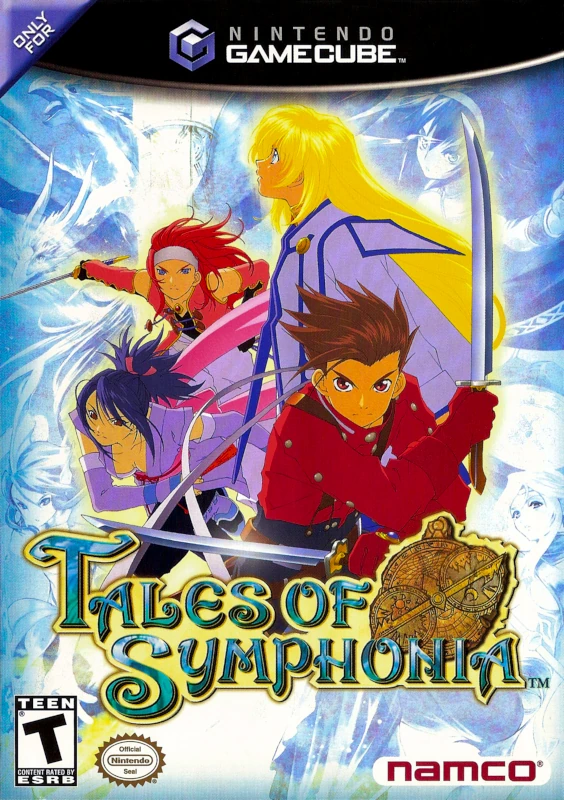
#14. – Tales of Symphonia
The ‘Tales of’ series is a longrunning RPG franchise that has been released on a myriad of different consoles. Symphonia was the breakout installment in the West. It’s also the first fully 3D release in the franchise. The cel-shaded graphics and simple storyline was a turn off for many fans of the genre, but there’s a lot of depth to this game. Combat is handled in real-time and you can move your characters left/right on a 2D plane. You’re always lined up with an enemy, but can switch the current target at your leisure. What’s interesting is the fact that this was once intended to be a sequel to Tales of Phantasia. It’s clear in both the story and setting that Namco didn’t completely ditch this concept. Tales of Symphonia has some really well designed dungeons with simple puzzles, and a very entertaining combat system. It’s a great RPG.
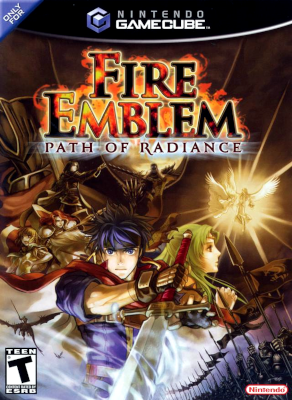
#13. – Fire Emblem: Path of Radiance
This release marked the series’ return to consoles. For years before we only had new Fire Emblem games on the Game Boy Advance. Path of Radiance, despite its polygonal 3D presentation, plays much like the previous releases. You move characters across a grid based battle system and engage enemies when they are within range. Each of your fighters has a weapon that can only be used a finite number of times, and each style of armament is weak against another type. What sets Path of Radiance apart from other strategy RPGs is how difficult it is. When your characters perish in combat they can die for good. This affects the entire dynamic of how it’s played. The story is typical Fire Emblem fare but it’s well told, and has some decent plot twists. Path of Radiance is easily one of the best games in the series.
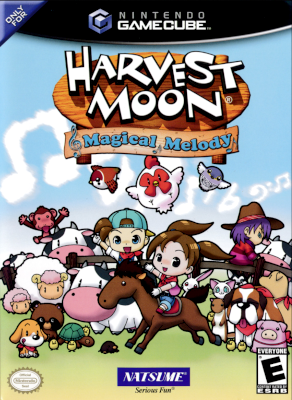
#12. – Harvest Moon: Magical Melody
Some will scoff seeing that I placed a farming simulator so high on a list of the best Gamecube games. No, I didn’t run out of titles. Magical Melody is just that good. In this game you take the role of a farmer who has to restore a town to its former glory. You do so by planting crops, raising animals, and of course making friends. There’s a neat milestone system in the form of the melodies that you collect. Your end goal in this game is to collect them all. What I really like about this game is that it offers more freedom than any other Harvest Moon that came before it. You can grow crops almost anywhere, purchase additional plots of land, etc. What’s more is that the cast of characters, while mostly new, features a lot of old faces from every past installment.
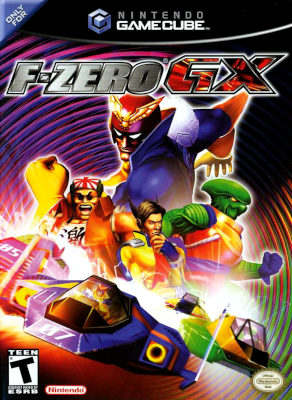
#11. – F-Zero GX
Leave it to Sega’s internal developer Amusement Vision to make the single best F-Zero game in the entire franchise. I was surprised to say the least. GX takes the classic F-Zero formula and cranks it up to eleven. The gameplay is faster and prettier than it has ever been. Here you zoom around futuristic race tracks in hover cars and try to come out on top. Your ship isn’t invincible however and you take significant damage from crashes. Each course has special stretches of track that you can fly over to replenish your shields though which is nice. I can’t sing enough of this game’s praises. It’s probably the best futuristic racing game ever released. It’s not easy though. Some of the later sections of the game require insane precision and a single mistake can cost you the win. This one makes me wish we still got new F-Zero games.
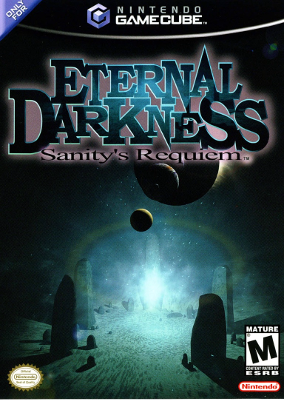
#10. – Eternal Darkness
Are you a fan of survival horror games but want something a little different? Perhaps more psychological? Well then Eternal Darkness has your number. This third person survival horror game has you playing as numerous characters from different points in time as you battle otherworldly ghouls and solve light puzzles. Combat is a little clunky at times, but I won’t hold that too much against the game. The big gimmick introduces here is in the sanity effects. As you battle monsters your character’s grasp on reality slowly begins to fade. You might start seeing things that aren’t really there. For example, it’s not uncommon for your character’s head to randomly pop off and start reciting Shakespeare. Or perhaps your controller will randomly stop working, or your television will seemingly turn off on its own. This is a fantastic premise and the execution is just about perfect.
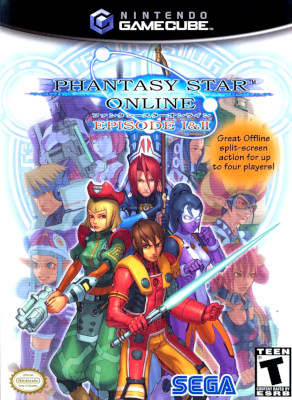
#9. – Phantasy Star Online: Episodes I & II
The first Phantasy Star Online was easily one of the best Dreamcast games. So how do you make it better? With more content, of course. The first part of this release is the base game we played on the Dreamcast. It has the same levels, and same enemies. The developers included a lot of new items though so it does feel different. Then there’s the second episode. This has as much content as the original release but with all new levels, items, enemies, and boss fights. It’s also incredibly well designed and a worthy follow up. As one of the few online games for the platform this was worth the price of the network adapter. Additionally the game could be played offline via split screen with up to four total players. This alleviated the issue of connecting to the network and is the single best upgrade here.
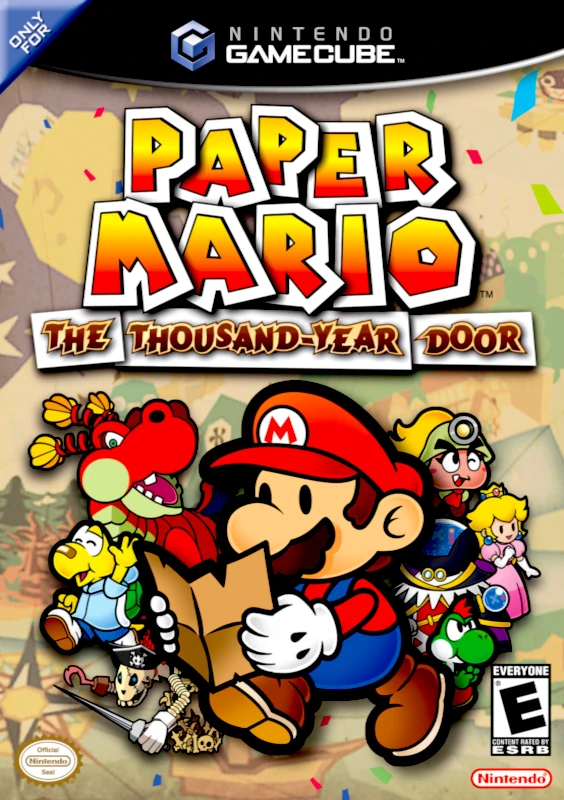
#8. – Paper Mario: The Thousand Year Door
Remember how I said that Nintendo does sequels right? Well, Paper Mario: The Thousand Year Door is a great example of this. It uses the same papercraft graphic style of its predecessor but is significantly upgraded. It looks downright gorgeous in motion. While I always hoped for a more proper follow up to the original Super Mario RPG this one will do just fine. This is a role playing game wherein you play as Mario and crew. It retains the timing based battle system of its predecessor and it’s surprisingly fun and intuitive to play. Even younger gamers will be able to grasp the more complicated mechanics pretty easily. The story is the typical Paper Mario goofiness but I don’t have any problems with that. Paper Mario: The Thousand Year Door is a masterclass in making role playing games accessible to everyone.

#7. – The Legend of Zelda: The Wind Waker
One of the biggest backlashes from their fans Nintendo has ever faced was when they revealed the first Zelda title for the Gamecube. While everyone expected something along the lines of Ocarina of Time Nintendo instead went with a unique cel-shaded style that emphasized cartoon characters. I too was disappointed at first but the game turned out to be a masterclass of action adventure gameplay. The Wind Waker changes the basic premise of Zelda in some interesting ways. For one thing the world of Hyrule is now flooded. As Link you travel the world by sailing on a sentient boat, and use the wind waker to control the direction of the wind. Travel is fun, and the dungeons have the classic Zelda puzzles. The only thing I didn’t like was the stealth segments, but these were far and few between.
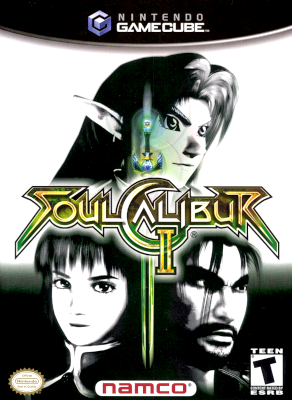
#6. – SoulCalibur II
Namco released the follow up to the original SoulCalibur on every major console this generation. They did fans right by including one platform specific character per release. The Gamecube got the best one by a country mile. SoulCalibur II is a weapons based fighter with silky smooth gameplay and a thoughtful fighting engine. The animations are simply incredible. The gameplay is technical enough for veteran fans of the genre, while being accessible to the uninitiated. This one is even more fun than the original with a bigger character roster and updated presentation. The version exclusive character here is Link from the Legend of Zelda series. He fits right in with the rest of the cast, and it was an absolute joy to see a more realistic version of the character rendered in Gamecube graphics. If you’re going to play one version of SoulCalibur II then make sure it’s this one.
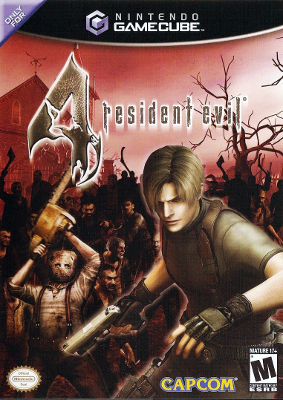
#5. – Resident Evil 4
I both love and hate Resident Evil 4. It moved the franchise forward into an over-the-shoulder survival horror game that was more firmly rooted in the action genre. Gameplay is absolutely phenomenal here with excellent artificial intelligence, crazy enemies, and a spooky setting that was fun to explore. Unfortunately this release changed the entire trajectory of the series, and not in a good way. In RE4 you play as Leon S. Kennedy for the first time since he escaped Raccoon City in part two. You explore a Spanish village with citizens infected by organisms that take control of their hosts. The enemies retain their basic intelligence and ability to use tools, but they are out for blood. It’s difficult to sing enough of this game’s praises. RE4 looks absolutely gorgeous for one thing (it’s one of the best looking titles of the entire generation) and it plays like a dream.
#4. – Animal Crossing
Animal Crossing is one of the most inventive, and purely joyful games I’ve ever played. Here you play as a young teenager who is moving out on their own for the first time. You get to name the protagonist, and even the town you’re moving to. This is an entirely non-violent game. There’s not even an overarching goal. You first start by saving enough money to pay off your new mortgage which allows you to upgrade your home. Then it’s really up to you. Your town layout is randomly generated, as are the animal villagers that live there. You can make friends with them by speaking with the furry little guys, and even do them favors. Everything is customizable. You can place furniture in your house, and decide the overall layout yourself. If you plug in a friend’s memory card to the console you can even visit their village.
#3. – Resident Evil
Never has a remake before, or since then, re-invented a game in such incredible ways. The original Resident Evil was great but it had its fair share of problems. This remake addresses most of those, expands on the story and gameplay in amazing ways, and offers up some insanely good graphics that still look good today. The goal here is still the same. You work your way through a mansion infested with zombies while solving puzzles to move forward. The enemies now take more bullets to kill, and even after can still rise up as more powerful crimson head zombies at a later time. The best part is that the jump scares are now randomized. For example, the dogs don’t always jump through the windows in the hall anymore. This will happen at a random time you pass through. There’s no preparing yourself. This one is amazing, and seriously scary.
#2. – Super Smash Bros. Melee
This is one of the best examples of Nintendo going all out for a sequel. Never could I have imagined they could include so much new content in a direct follow-up. Super Smash Bros. Melee is a fighting game with characters and stages from various Nintendo franchises. It includes mainstays like Mario and Luigi but throws lesser known guys like Roy and Marth (From Fire Emblem). There are also more levels than you can shake a stick out, and they each have dynamic elements in them that keeps the action fresh. Nintendo even included a ton of game modes. One even resembles side scrolling platformers of old, but with the classic Smash Bros gameplay. It’s pretty clear that not only is Melee a significant upgrade from the original and it’s also one of the best Gamecube games of all time.

#1. – Skies of Arcadia: Legends
Yes, I really love Skies of Arcadia that much. The game was originally released on the Sega Dreamcast but failed to make major waves there. Unfortunately that was the same case for this enhanced port that came out on the Gamecube. This is simply one of the best RPGs of all time. The world map takes place entirely in the skies and each landmass consists of a floating island. You traverse the world entirely by airship. The regular battle system is pretty standard for role playing games with classic turn based combat. These are fun sequences and use an interesting SP mechanic to determine special moves. Then you have airship battles. In these sequences you battle against other ships and these are the highlight of the game. Skies of Arcadia Legends comes with slightly downgraded textures and music, but added content which fits the game super well.

lurker_bee
Thank you for putting REmake above RE4. Always felt 4 was a tad overrated and prefer the original style of gameplay with set pre-rendered camera angles. The restrictive camera and tank-like movement made for a much more tense horror game. Imagine if they made a new old style Resident Evil with today’s graphics tech!
zeeee
great list, I recently went back and played Symphonia for the first time and it held up great, also glad to see PSO still gets recognition, it was mind blowing when it came out
Goose
Hey! For Mario Party 4 you noted that it was Waluigi’s first appearence in the series, but he was a playable character with his own map on Mario Party 3!
Great list overall though!