
Sega Dreamcast RPGs were few, but they were mighty. This is simply because the console wasn’t on the market very long. Sega’s past mistakes caught up with them and the Dreamcast met an untimely death before hitting its prime. Developers simply didn’t have enough time to create massive adventures on the console, and instead were focusing on the Sony PlayStation 2. The console’s lack of success in Japan may have also had something to do with it. Sega simply wasn’t able to catch lightning in a bottle twice. Regardless, several came out on the platform and today we’re going to talk about them. This is our list of the top 15 Best Sega Dreamcast games of all time. This is an opinion piece, of course, and is by no means definitive. With that out of the way let’s get started.
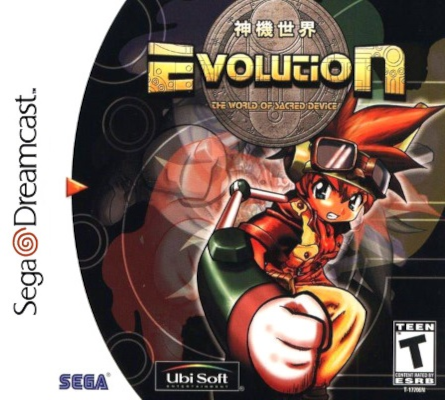
#15. – Evolution: The World of Sacred Device
There’s a reason there aren’t any new Evolution games. These weren’t amazing. It was fun in short bursts, but ultimately left most gamers unsatisfied. I was one of these people. Evolution is a very basic RPG. The battle system is turn based, and highly traditional. It borrows heavily from more popular role playing games, and does very little of its own thing. Regardless the battle system is fun and pretty by the books. I just don’t like how slowly everything moves along. Animations are drawn out and lack any kind of oomph to them. The only thing Evolution has going for it is that the dungeons are procedurally generated. That means each play through is going to be a little different. It also has some rogue-like elements that fans of this genre are sure to latch on to. Evolution is decent. Just keep your expectations in check.
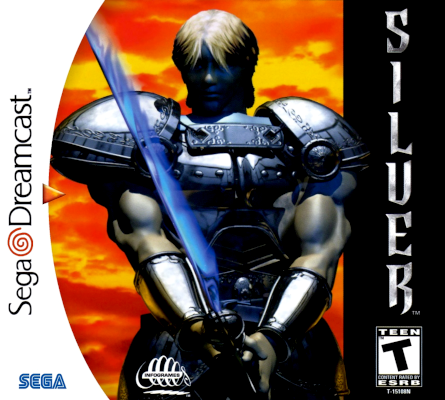
#14. – Silver
Silver is a bit strange. It’s a Western developed action RPG that uses polygonal characters on top of pre-rendered backgrounds. The art style is a little off-putting to say the least. It has that strange Western style RPG art from the late 90s. Some are fans of this. I am not. That’s hardly a deal breaker. Gameplay is what counts, and Silver fares decently in this regard. Battles are in full real-time with a party of up to three characters at your disposal. You are given control of only one of these guys at once. You can shake things up by switching between them. There are several different party members that join throughout the adventure, and I liked experimenting with them. The only thing holding this one back is its roots in PC gaming. It’s clear it was designed as a point and click title. It’s limited on a controller.
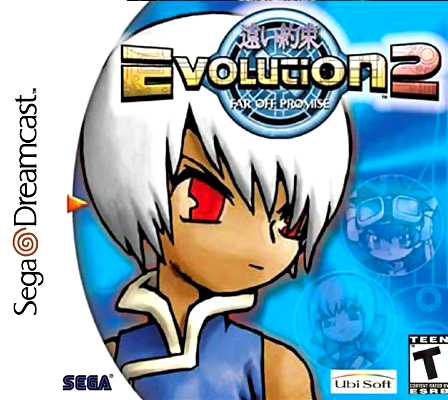
#13. – Evolution 2: Far Off Promise
Evolution must have been relatively popular because the developers gave it another go. For better or worse this sequel is more of the same. Only slightly better. The battle system flows a little better. It’s still not perfect, but I’ll take what I can get. This time around only some of the dungeons are random in design. You have set designs on some of the areas. I liked this. The first Evolution felt very sloppy with how dungeons were laid out. The problem persists here, but it’s alleviated somewhat. You have more options in battle, and they are flashier. The story is also somewhat improved though Evolution 2 isn’t going to win any awards for its writing. Dungeon crawling here is okay, but it gets old somewhat fast. Evolution 2 is an improvement in almost every way, but it’s still just ‘okay.’
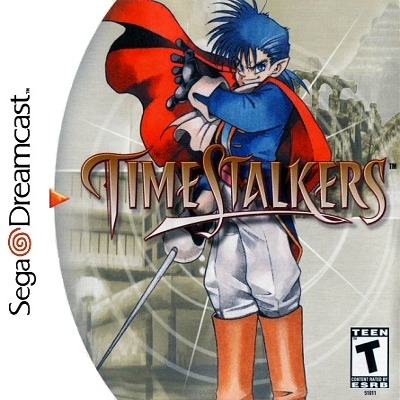
#12. – TimeStalkers
Developer Climax (best known for Landstalkers on the Sega Genesis) developed TimeStalkers as a celebration of sorts of their past titles. By now they were kind of washed up. They were a shadow of their former glory at this point. That’s why almost no one played TimeStalkers. That’s a shame because it’s a decent strategy based role playing game. Those expecting a vast and huge RPG are in for disappointment. TimeStalkers focuses pretty hard on dungeon crawling and it’s rogue-like elements. You have one hub area wherein you purchase items, advance the plot, etc. From here it’s dungeons, and then more dungeons. Some prefer that but I’m not one of these people. At the same time I can appreciate how cozy and self contained this adventure is. If that’s what you’re looking for then by all means TimeStalkers is a fair choice.
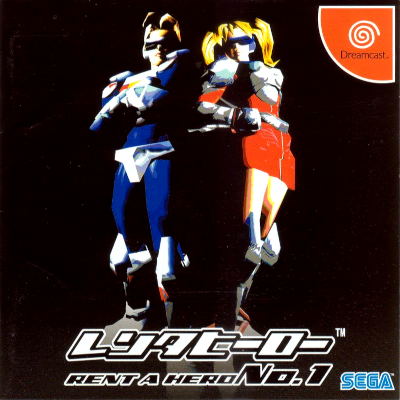
#11. – Rent-A-Hero No. 1
I wish more JRPGs focused on the superhero concept. That’s more of a Western theme so I’ll take what I can get. Rent-A-Hero No 1 is an anomoly in this regard. You play as a young kid who one day, by accident, receives a set of battle armor in the mail. Noticing that it increases his physical strength ten-fold he’s bent on keeping it, but the price tag is high. Now he’s got to take odd-jobs to pay off the debt. Hence the title. This is a remake of a Sega Genesis title and plays largely the same. This time the action is in full 3D, and with much higher production values. It’s over the top and hilarious, but that’s what I love about Sega. Gameplay is handled kind of like a beat-em-up, but sprinkled with RPG elements. Rent-A-Hero is fun, and at times hilarious.
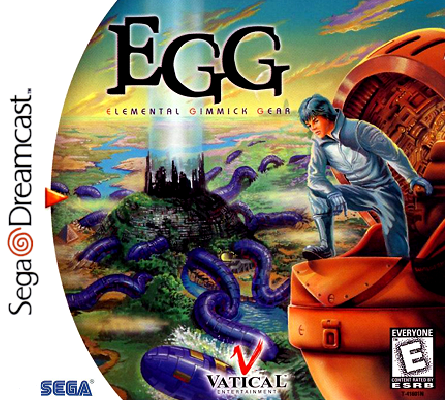
#10. – E.G.G.: Elemental Gimmick Gear
The first thing that popped out to me with this game is the boxart. It’s amazing. Elemental Gimmick Gear was an action RPG that flew under the radar. It wasn’t flashy, nor was it advertised. The game had almost no hype driving its release. That’s because the game is a 2D action RPG at a time when three dimensional gameplay was all the rage. This one contains some seriously amazing artwork. The backgrounds are drop dead gorgeous. Everything has a hand drawn quality to it that really stands out. You play as a young chap who finds and uses a set of ancient armor shaped like, you guessed it, an egg. The dungeons feature some creative designs, and basic combat is fairly interesting. Even the 3D boss fights are really fun. This is a Dreamcast hidden gem through and through.
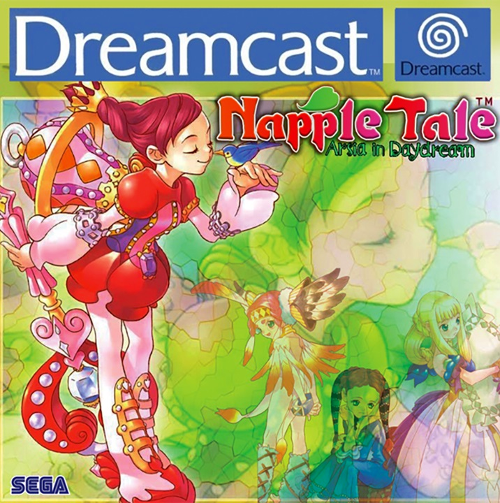
#9. – Napple Tale: Arsia in Daydream
We’re pushing the boundaries of just what an RPG is with this one. Napple Tale is primarily a 3D action adventure platformer. It has just enough elements from the genre for it to be included here. The game itself is divided into two distinct sections. You have a hub world wherein the plot is advanced, and you can take on side quests. The actual levels themselves are based on different seasons and feature appropriate obstacles and enemies. Napple Tale is best described as cutesy. It’s so sweet and sugary it surely can’t be healthy. That’s sure to turn off a lot of gamers. Regardless the level design, and gameplay is pretty good. I didn’t care for the story elements much but that’s not why we’re here, is it? Though light on RPG mechanics Napple Tale still deserves it’s rightful place on this list.
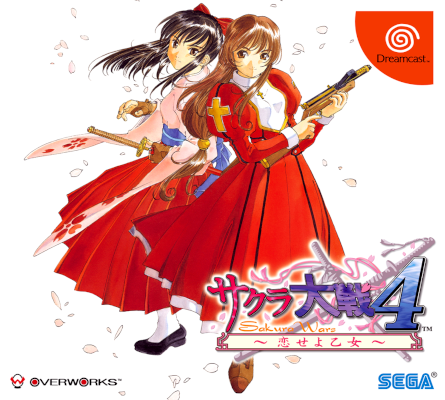
#8. – Sakura Taisen 4
This was a stop-gap release. Sega rushed Sakura Taisen 4 to the market to close out the remaining story threads. That’s why this is one of the lesser sequels in the franchise. This one follows the exploits of Ichiro Ogami as he returns to Tokyo following the events of the third game. Sakurai Taisen 4 served as a celebration of the franchise. It combines the rosters from the first three games into one collaboration. Unfortunately it doesn’t push the series forward outside of its story. Still, it has that classic Sakura Taisen charm driving it. That’s enough to keep my interest. I’m just disappointed that this one is so short. It’s severely lacking in content as the main quest is noticeably shorter than any previous iteration. The game is still fun, but it’s obviously rushed and not what Sega intended the fourth game to be.
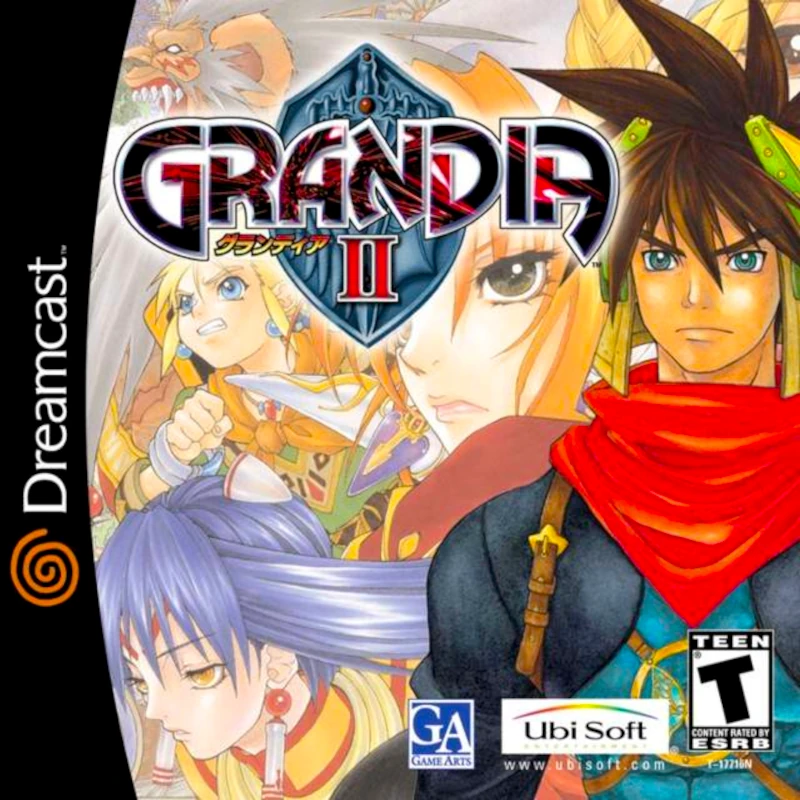
#7. – Grandia II
The first Grandia is easily one of the best PS1 RPGs. Grandia II came out in the West first on the Dreamcast. It didn’t fare quite as well. Gamearts missed some of what made the original so great. This time the focus is on a darker and more mature story. Here you play as a mercenary named Ryudo who gets swept into a plot to destroy the very world in which he lives. The sense of adventure is largely gone, and the story isn’t nearly as compelling. What remains however is the excellent battle system. It has even evolved since the previous iteration. Thanks to the 3D graphics combat flows at a smoother rate. This allows for more precise strategies. It’s just all of the other stuff that isn’t as good. If you care more about gameplay then Grandia II delivers in spades.
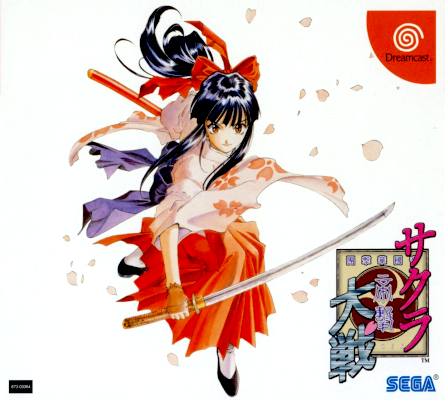
#6. – Sakura Taisen
This one here is an enhanced port of the original. Unfortunately it too was never released outside of Japan, and there are no translations available. For this one you’re gonna need a translation guide. Sakura Taisen takes place in an alternate version of 1920s Japan. In this world steam energy is prevalent, and is what humans use to keep otherworldly demons at bay. You play as Ichiro Ogami as he is transferred to manage the Flower Division in Tokyo. This is a secret force in the Japanese government that poses as a theater troupe by day. Whenever the need rises they board giant mecha robots to push back against the dark demon forces that threaten the world. This one plays as one part visual novel, with the other half being a strategy RPG. What’s neat is how you build relationships with the characters and this transfers to battle bonuses.
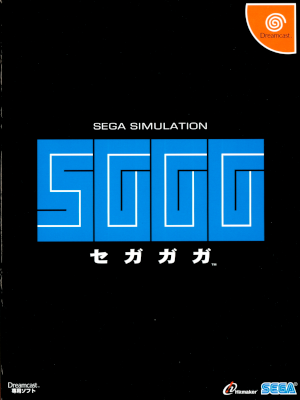
#5. – Segagaga
Sega has always been one of the biggest driving forces for innovation in the video game industry. When they left the console industry it was a huge loss. Segagaga is a celebration and parody of their history. It came out at just the right time. This is the most ‘Sega’ game in existence. It’s touted as a ‘Sega simulator’ and I can’t think of a more fitting title. Here you play as a youth named Sega Taro. You’re a new employee at the company, and the mission is to save them from certain doom at the hands of a company called DOGMA (Sony). You battle employees at Sega by hurling insults at them in turn based combat. Upon defeat you can recruit them as a developer to be placed in various roles of game development. The game is weird. I mean that in the best way possible.
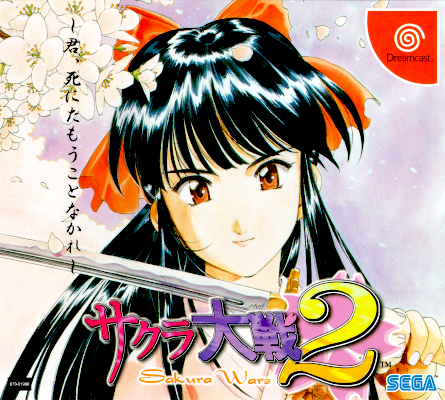
#4. – Sakura Taisen 2
What we have here is another Sega Saturn remake. It’s more of an enhanced port, really. Sakura Taisen 2 follows the exploits of Ichiro Ogami following his last gig as the savior as Tokyo. He returns to once again run Grand Imperial theater, and more importantly manage the Flower Division of Japan’s imperial army. The story picks up only a few years after the original concluded so most of the characters are returning faces. Combat has been refined, and the story situations are more interesting in general. What’s also interesting is the fact that you can carry over your save data from the first game. This Dreamcast port features better audio and video. That’s about it for the enhancements. Still, it’s nice to have all of the best Sakura Taisen games on one platform. Unfortunately there’s no fan translation for this one. You’ll have to rough it.
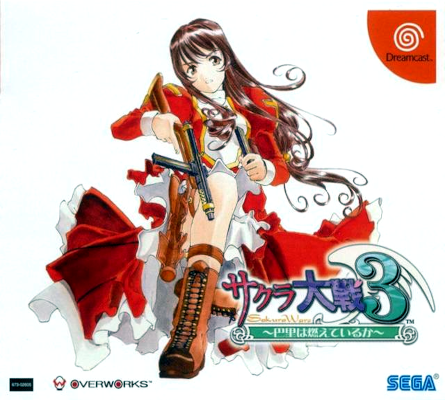
#3. – Sakura Taisen 3
Sega proved with this release that they knew how to push a franchise forward. With this sequel they brought back the same protagonist, but moved the setting to France. Oh and the battle system is completely in 3D now. It looks amazing too. Basic gameplay is largely the same here. This is a turn based strategy RPG first and foremost. When you’re not fighting demons however you’re engaging your teammates in dating sim scenarios. Ogami is frequently tasked with answering prompts, or speaking with members of the troupe. The game gauges your friendship (or romantic interest. I’m not sure) with the cast, and this provides bonuses while in battle. Sakura Taisen 3 is absolutely amazing. I’m not even a fan of visual novels but this one was captivating because of how your choices affect gameplay. This is easily the best game in the Sakura Taisen series.
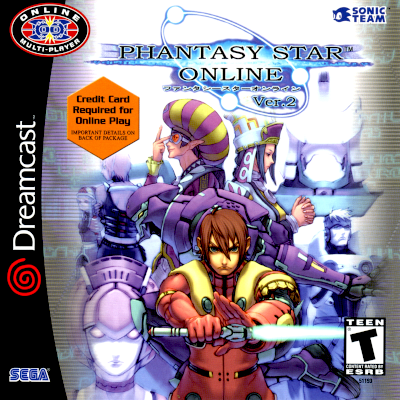
#2. – Phantasy Star Online Ver. 2
Man, I spent an embarrassing amount of hours in the original Phantasy Star Online. For a while this was my most played video game. I loved creating characters and bringing them online to team up with three others, and tackle the various well designed stages. This game moved the franchise to an action MMORPG and the results were absolutely amazing. Unfortunately hackers soon got the best of Sega here. I lost many a character to ‘Nall.’ If you know, you know. Sega fixed the issue with version 2. It not only eliminated hacking, but it added some content to the base game as well. The level cap was increased to 200, there was a new battle mode, and you could even play a weird version of soccer with other players. At its core this was still Phantasy Star Online though, and it’s one of the best games of all time.
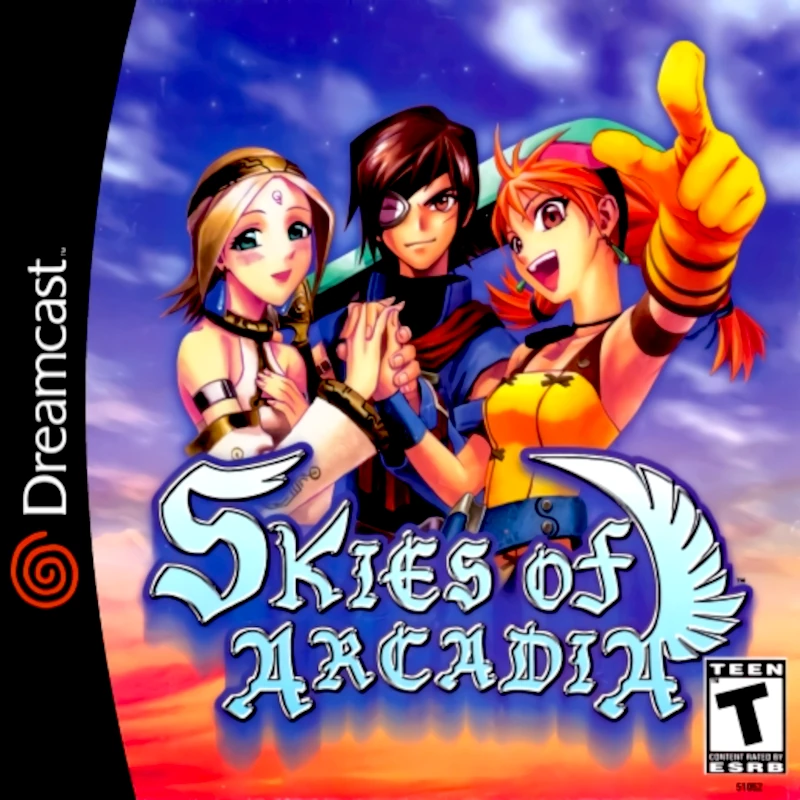
#1. Skies of Arcadia
This was the surprise of a lifetime. Going in I didn’t know what to expect. Skies of Arcadia was one of the most unique, best designed, and most enjoyable role playing games I had played. The game takes place in a world consisting of various land masses floating in the sky. The sense of adventure is absolutely immaculate. You play as a band of sky pirates that rob from the rich, and give to the poor. Basically it’s Robin Hood, but in the sky. The story goes well beyond this with the plot eventually unfolding to save the world. The combat engine is a bit derivative, but is amazing. I love how significant placement of your characters is. The real highlight for me was the airship battles. These are turn based, and require significant strategy to succeed. There’s nothing else quite like it. In a word this game is amazing.
