
Today I have an overwhelming urge to talk about the best strategy RPGs of all time. It’s one of my favorite subjects after all. Who doesn’t love a good strategy and tactics based role playing game? They were once a rarity in the West with a treasure trove of excellent games left in Japan. Now the floodgates have opened, and these titles are regularly released worldwide. There was always something special about the genre to me. It always felt like gameplay is more nuanced compared to traditional RPGs, and the more complicated combat allowed for greater innovation. They aren’t better by default, but often feel more distinct from one another. I absolutely love the genre. That’s why this list of the Top 30 Best Strategy RPGs was a labor of love. Alright enough with the jibber jabber, let’s get started.
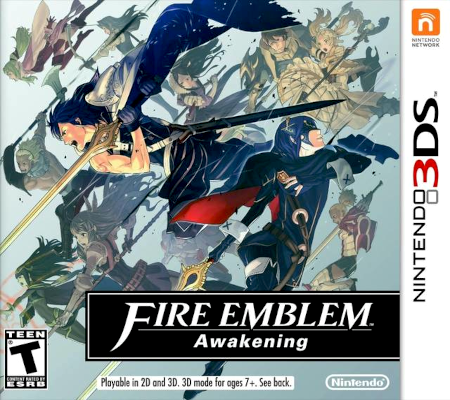
#30. – Fire Emblem: Awakening
By the time the Nintendo 3DS hit the scene it was starting to feel like Fire Emblem games were coming out on an annual basis. This is the thirteenth installment after all, and that’s not counting spin-offs and remakes. Anyhow, Fire Emblem: Awakening takes a few liberties to make it more approachable than previous installment. Battles still take place on a grid based field, and combat is strictly turn based. What’s new is that characters no longer die permanently. The overall game is also quite a bit more easy. Purists scoffed at Awakening, but I liked it. There’s also a generations system in place here where the hero will marry another character and have a child with them. This offspring then later joins the quest. The choice is made based on gameplay decisions by the unknowing player. The mechanic is subtle, but very well done.
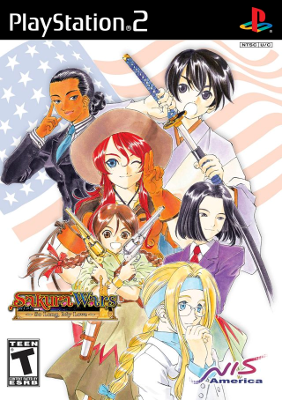
#29. – Sakura Wars: So Long My Love
The Sakura Taisen franchise has been around since the days of the Sega Saturn. It wasn’t until part five that one was finally translated into English. In case you haven’t figured it out that’s Sakura Wars: So Long My Love. The game came out on both PS2 and the Nintendo Wii. It was intended to revitalize the franchise, but instead it pretty much killed it off. That’s a surprise considering it’s really fun to play. So Long My Love has real-time movement wrapped around turn based gameplay. You battle aboard giant mechs that can also transform into aircraft in specific situations. Outside of combat there’s a heavy focus on visual novel elements wherein you develop relationships with your all female team, and from this you reap bonuses in battle. This may be the worst Sakura Taisen game, but I really like that it’s the only one based in New York.
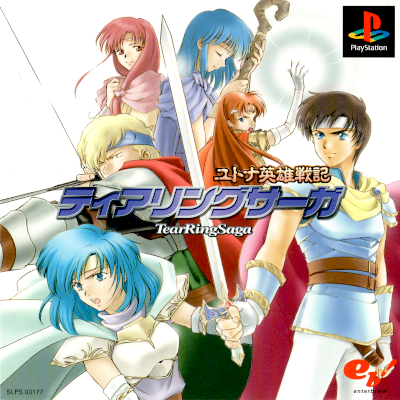
#28. – Tear Ring Saga
Sony consoles have never had a Fire Emblem game. This is a first party Nintendo franchise, after all. Tear Ring Saga however is a worthwhile stand-in. It was even made by Shouzou Kaga who is credited as the creator of Fire Emblem. The similarities are uncanny. Everything from the art style, to the gameplay, and even progression feels just like Fire Emblem. It also came out at a time when Nintendo’s franchise was dormant. Tear Ring Saga has you playing as one of two characters who gets swept up in a war between kingdoms in a medieval world filled with magic and political intrigue. Tear Ring Saga has significant detail to its characters during attacks which look amazing even today. You take turns moving your units across a grid based map and are given various goals to win. Typically it’s just to defeat all foes in battle however.
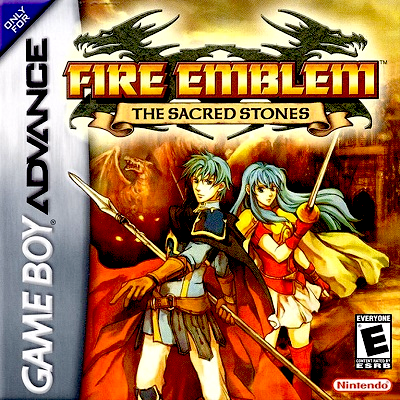
#27. – Fire Emblem: The Sacred Stones
Speaking of Fire Emblem, we’re going to talk about it now. This was the second game to be released following the series’ revival on the Game Boy Advance. At least in North America. The Sacred Stones re-uses the same graphics engine as its predecessor but adds in a few interesting twists. New to the franchise is a world map. You can travel back to areas and even re-enter previous battles in order to grind experience points. Branching promotional paths are also new. This gives you more control over how you want to shape your party. Aside from these changes this is still your classic Fire Emblem game. That means it uses the same battle system with the old rock paper scissors mechanics, and everything is wrapped up in a layer of classic Nintendo polish. It’s ultimately worse than its predecessor, but still one of the best strategy RPGs.
#26. – Ogre Battle: March of the Black Queen
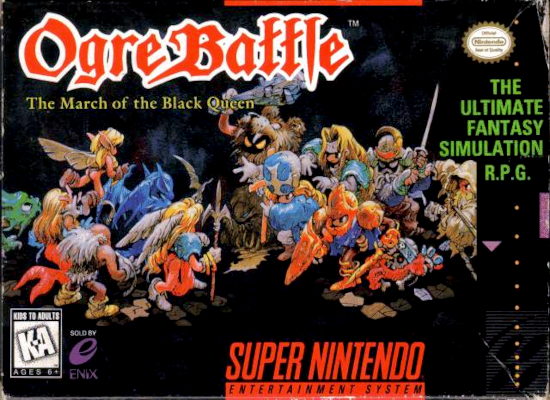
Ogre Battle was actually the first strategy RPG I ever played. I rented it on a whim, and credit this game with my love for the genre. It’s also very atypical for a tactics based title. You form various squads with characters of your choosing. In battle you recruit the ones you want to use, and select destinations for each of them. These squads move in real-time, and only change direction when you tell them to. Battles themselves are automated. Each character moves on their own. Seriously, your only input is using collected tarot cards that grant various effects. Admittedly this sounds lame. That’s what I thought at first. Before long you won’t even care. The CPU enters appropriate commands, and I never felt like having less control significantly hurt me. The best part is the super well designed maps. I even liked the morality mechanics here.
#25. – Final Fantasy Tactics
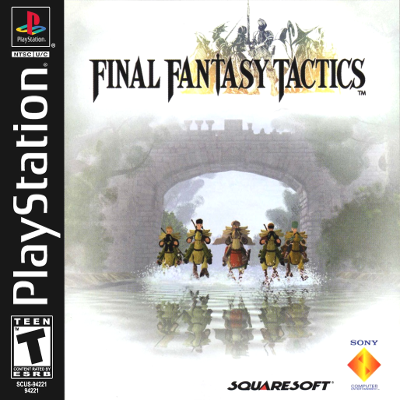
Put your pitchforks down. I like Final Fantasy Tactics. I just don’t love it. Perhaps it’s because I had played several strategy RPGs before this, but Final Fantasy Tactics feels a bit overrated in my opinion. With that said it’s still a very well designed game. I also love the gimmick of having the classic Final Fantasy conventions thrown into a strategy RPG. The rotating camera was impressive in its time, and the sprite based characters look great on the 3D backgrounds. I also really like the challenge here. Final Fantasy Tactics has some very sudden difficulty spikes. I’m here for it. I had a fun time switching up my party and making characters stronger to persevere. There are a ton of different character types, and the battle scenarios are really intriguing. Final Fantasy Tactics may be a little overhyped, but it’s still worth playing.
#24. – Tactics Ogre: The Knight of Lodis
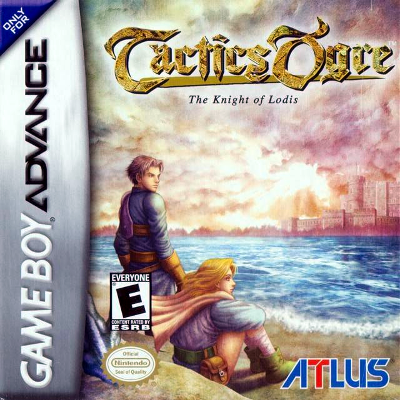
I was really surprised by this one. Developer Quest took the perfect approach to the Game Boy Advance. They didn’t port their most popular games, and instead made an original spin-off. Tactics Ogre: The Knight of Lodis is all the better because of this. The Ogre series is known for it’s grand and branching storylines. This one is more simple and intimate in this regard. I really like that it has the same basic gameplay. The set up is very typical. You choose your party of characters, and then take turns navigating some really well designed battlefields. One thing I really liked about the Knight of Lodis is the various troop types you have. Even various monsters are included. This is an interesting smaller scale take on the grand franchise. In some ways it’s even better than the mainline titles.
#23. – Dragon Force II
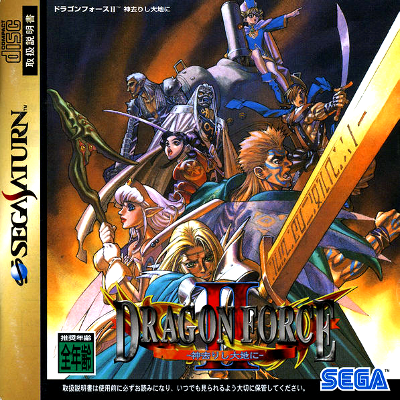
Unfortunately this one was left in Japan. I was on cloud nine upon discovering it had been translated by fans. Unfortunately things just aren’t the same. Dragon Force II had one job. It only needed to introduce new generals, upgrade the graphics, and throw in some additional unit types. Unfortunately most of the changes are for the worse here. The continuing story is less interesting, gameplay is more linear, and the new unit types are uninteresting. I have a real hard time with the fact that you can mix and match them. On paper this sounds like a good idea, but the execution has some problems. It introduces too much micromanaging. Battles are still fun, but less interesting overall. On the plus side Dragon Force II is absolutely beautiful in motion. I just wish this game was as good as the original.
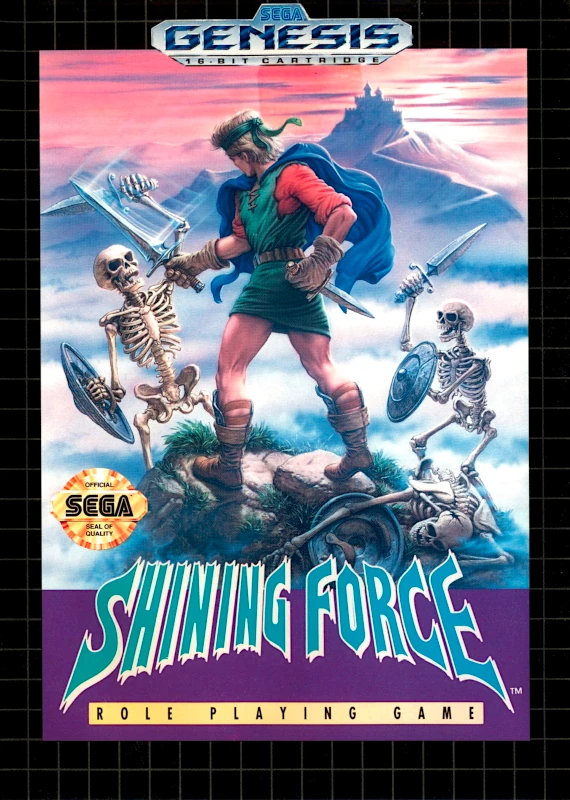
#22. – Shining Force: The Legacy of Great Intention
Shining Force was a legend on the Sega Genesis. These were among the first strategy RPGs to hit the mainstream in the West. The success was well deserved. Shining Force gives you command of a rag tag group of fighters. Each of these characters can be promoted to become more powerful, and some are more powerful than others in some pretty obvious ways. While most of them fit under generic classes we do get several unique ones. Shining Force excels both in its accessibility and straight forward battle sequences. Combat takes place in the typical grid and you move your guys across the map while fighting off opposing forces. Your goal is always simply to defeat either a boss or all on-screen enemies. The battle scenarios are basic, but that’s one of this game’s charms. It doesn’t have a lot of bells and whistles, but the foundation is solid.
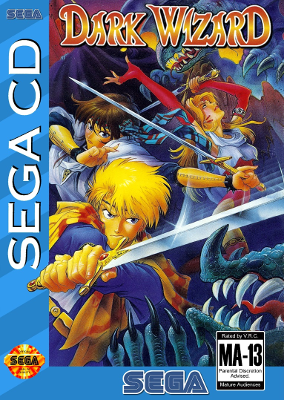
#21. – Dark Wizard
Even the Sega CD got on board the strategy RPG train. The major difference here is that character movement is across a hexagonal grid. It’s a nice change of pace but takes some getting used to for veterans of the genre. You begin by selecting a scenario. Each of these follows a different character, and their conquest to take back their homeland of Cheshire, defeat the dark wizard, and prevent the rebirth of an evil god. The story is pretty standard, but that’s okay because the gameplay is good. This one features all the familiar turn based trappings, and has battle animations that are best compared to early Fire Emblem games. They’re slow, but fun to watch. They do get old after a while though. Thankfully these can be turned off. Dark Wizard has some seriously fun maps and unique characters. It feels dated now, but I still enjoy it.
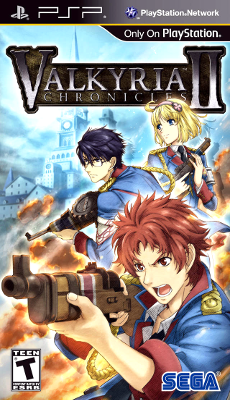
#20. – Valkyria Chronicles II
After the original Valkyria Chronicles came out for PS3 console Sega took the most logical route for the sequel. They released it as a PSP exclusive. Wait, what? It may not make a lot of sense, but bear with me. It’s Sega, after all. Valkyria Chronicles II is smaller in scope due to the weaker hardware, but it retains most of the charm of the original. The themes of the story focus on friendship and a tightly woven group of friends. Unfortunately this means there are more anime tropes. Gameplay is largely the same and relies on the turn based conventions that were introduced in the last go around. You have a limited number of action points per turn, and divide them among your characters as you see fit. Selecting a character shifts the view to a 3D perspective as you guide them around the battlefield. It’s still very fun.
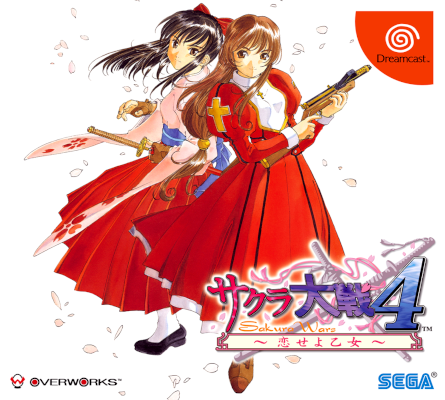
#19. – Sakura Taisen 4
Alright, more Sakura Wars. This was the final installment released on a Sega console. It is best considered to be a celebration of the series up to this point. It returns the protagonist, Oogami, to Tokyo and the Imperial Combat Revue for the first time since the second game. This sequel also combines the casts of the other games which is really neat. Besides this it’s standard Sakura Wars fare. You manage a theater troup of performers who, when called to duty, board giant mecha robots to do battle with demons to save Tokyo. Combat is still turn based, but you move the characters in real-time through 3D environments. It’s pretty much the same battle system from part 3, but with a few new bells and whistles of course. If you like Sakura Taisen (and you should) then you’ll find a lot to love with this installment.
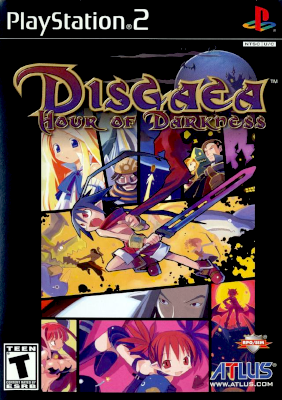
#18. – Disgaea: Hour of Darkness
Disgaea has a fantastic sense of humor and a really charming art style. It’s also really fun, and that’s what’s important. This is an isometric view grid based strategy RPG with traditional turn based combat. The battle system is really in depth with a lot of characters to manage, recruit, and battle with. One of my favorite parts of the game is the geo panel mechanic. These have different attributes that either help or harm units standing on them. They can also be changed around which adds significant strategy to them. Besides that Disgaea is pretty traditional fare, but it does it really well. I especially like the ability to throw characters across the field. This is more helpful than it sounds, and can really mess with enemy momentum in battle. There is a lot of content and options here. It’s easy to get lost in the world of Disgaea.
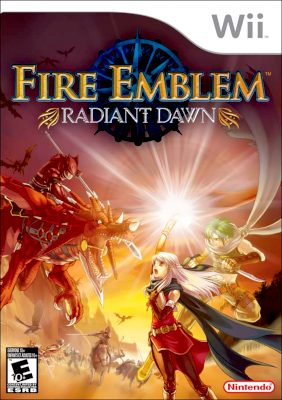
#17. – Fire Emblem: Radiant Dawn
One common misconception was that the Nintendo Wii was all motion controls. Nintendo and several third parties released completely traditional gameplay experiences on the console completely devoid of waggle. Fire Emblem: Radiant Dawn is one of these. It’s a direct sequel to Path of Radiance on the Nintendo Gamecube. It uses the same graphics engine, and gameplay mechanics, but is a direct continuation of the story. You’ll find returning characters and plot points aplenty. Combat is pretty standard for a strategy RPG but everything is polished and refined. I really love the battle animations, and the rock paper scissors weapon mechanic is just as interesting here as it has always been. I really like the fact that you can bring over save data from the Gamecube game to get stat and level bonuses for the returning characters. This one is long and difficult. It’s sure to satisfy that SRPG itch.
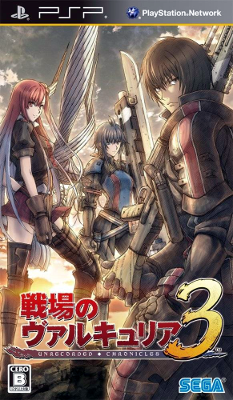
#16. – Valkyria Chronicles III
Unfortunately Sega made the baffling decision to not localize the third installment in the series. Fans everywhere (including this one) were really disappointed. Unless you know Japanese then the unofficial translation is the only way to go. Valkyria Chronicles returns to a tone more similar to the original title. While still anime based the story falls less into the traps that the second game did. It’s an interesting narrative about war with plenty of memorable characters and plot twists. Valkyria Chronicles uses pretty much the same combat engine that the last title did. It’s a combination of real-time and turn based gameplay. When you select a unit the overhead map switches to a 3D battlefield with an over the shoulder perspective as you manually control each troop to their destination. Along the way you can be attacked, but there’s a neat cover element to alleviate this. It’s still very fun.

#15. – Ogre Battle 64: Person of Lordly Caliber
Ogre Battle on the SNES was largely lost in a sea of great RPGs for the platform. Its sequel came out on the Nintendo 64 to significantly more fanfare. It is one of the select few role playing games for the platform, and what a game at that. Ogre Battle 64 plays in a similar fashion to the original. You devise strategies around outfitting various squadrons with a diverse group of fighters to play on each others srengths while covering their weaknesses. From here you deploy these miniature armies to a map, and choose destinations for each squad. While you don’t have direct control over their movement they do run around in real-time. Your basic goal is to liberate cities and do battle against enemies. Combat, like in the original, is automatic. Winners determined by who does more damage within a set number of turns. This is an amazing sequel.
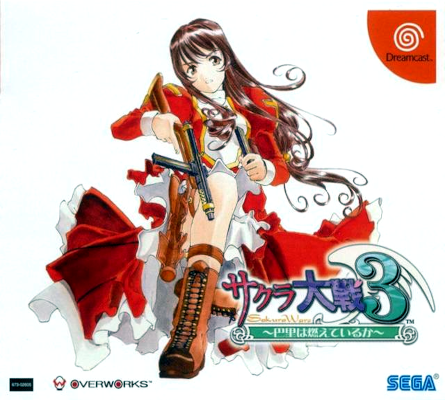
#14. – Sakura Taisen 3
Sakura Taisen 3 represented a major shake up for the franchise. It worked perfectly. The protagonist Ichiro Ogami returns. This time the setting is turned on its head. Instead of defending Tokyo and the rest of Japan from invading demons he’s instead tasked with bringing a new generation of fighters up to snuff in Paris. That’s not all that has changed. The battle graphics are now full 3-D. This gives you more control of each character and their mecha, and it looks a whole heckuva lot better to boot! Besides this change Sakura Taisen 3 is pretty traditional for the series. It plays like a dating sim/visual novel during story sequences where you befriend and woo the members of the combat revue. In battle they board giant mechs for turn based tactical combat, and the relationships you’ve fostered grant stat bonuses. It’s still Sakura Wars, but more refined.
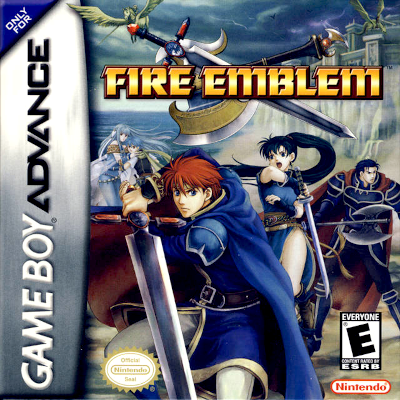
#13. – Fire Emblem
The naming scheme is confusing on this one. No, it’s not the first installment. Instead this is the seventh installment which debuted on the Game Boy Advance. It also marks the first time in franchise history one of these games was localized. Fire Emblem plays just like the old titles but thanks to the upgrade in hardware (from the SNES) everything is prettier. The combat system has also been refined. It still relies on the tried and true rock-paper-scissors mechanic, but there are more variables to contend with. This was my first taste of the franchise, and I’ve been hooked ever since. If the colorful graphics, interesting (but a little wordy) story, and the insane 2D battle animations don’t win you over then nothing will. Be forewarned though. This one is unforgiving. Lose a character in combat and they could be gone forever. Fire Emblem is worth the stress though.
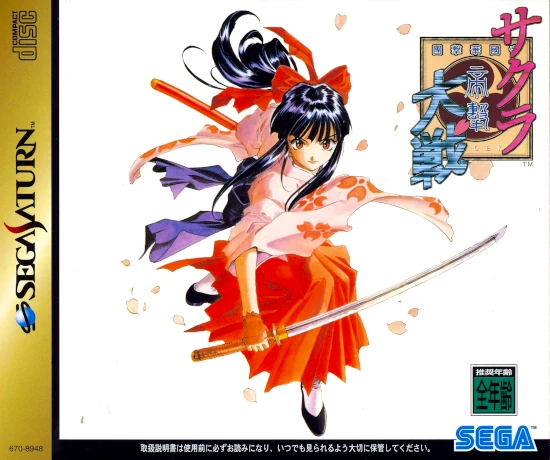
#12. – Sakura Taisen
Have you ever wanted to play the central role of a shounen anime series? Well, Sakura Taisen is just about the closest you’ll ever get. The first installment ripped through the Japanese sales charts in Japan, but the West was left out. It’s just Sega being Sega I guess. Regardless this is the game that started it all. Like in most of the other installments you play as a young Ensign in the Japanese Imperial Navy. He gets the unusual task one day of running a theater troupe. Thing is the actresses are a secret division of Japan’s military called the Flower Division, and whenever Tokyo is threatened they defend it aboard giant mecha robots. Oh and did I mention this all takes place in an alternate anime version of 1920s Japan with heavy steampunk influences? That part’s important. The tropes can be overwhelming, but the gameplay is great.
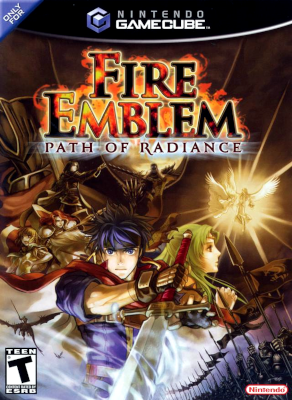
#11. – Fire Emblem: Path of Radiance
It was cause for celebration when, at long last, Fire Emblem returned to home console. Sure, the handheld installments are great, but the Gamecube was sorely lacking in strategy RPGs. Fire Emblem: Path of Radiance answered the call. Thankfully the gameplay wasn’t messed with too much. They just made it prettier, and bigger. Path of Radiance takes place in an entirely new universe set apart from previous installments. This time you play as Ike, the son of a famous mercenary, as a routine missions sweeps him up in a struggle to save the entire kingdom. Like previous Fire Emblem titles this one is a grid based tactical RPG. What’s new however is that the graphics are fully 3D. Battle animations are a big part of what makes this series so special. I’m happy to report that the developers were able to re-create the magic.
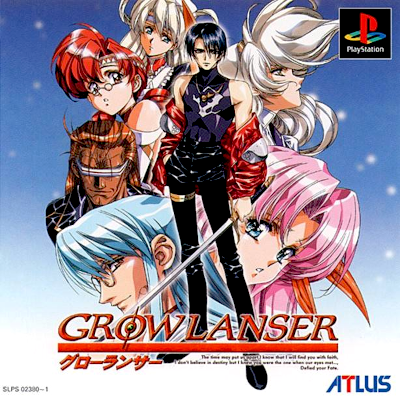
#10. – Growlanser
And here’s Growlanser completely out of left field. This is another one of those Japan-only titles, but thanks to an almost decent translation patch everyone can figure out why this was such a popular game in its heyday. This one is best considered a spiritual successor to the Langrisser series, but much better in my opinion. What’s interesting about this one is that, while it’s fairly traditional by the sub-genre’s standards, Growlanser features real-time movement. It definitely takes some getting used to. In the end this was my favorite part of the game. Growlanser forces you to think differently than the traditional strategy RPG. The story is just okay at best and many of the characters are forgettable, but the gameplay more than makes up for it. It’s a shame Growlanser was never localized because clearly there would have been a market.
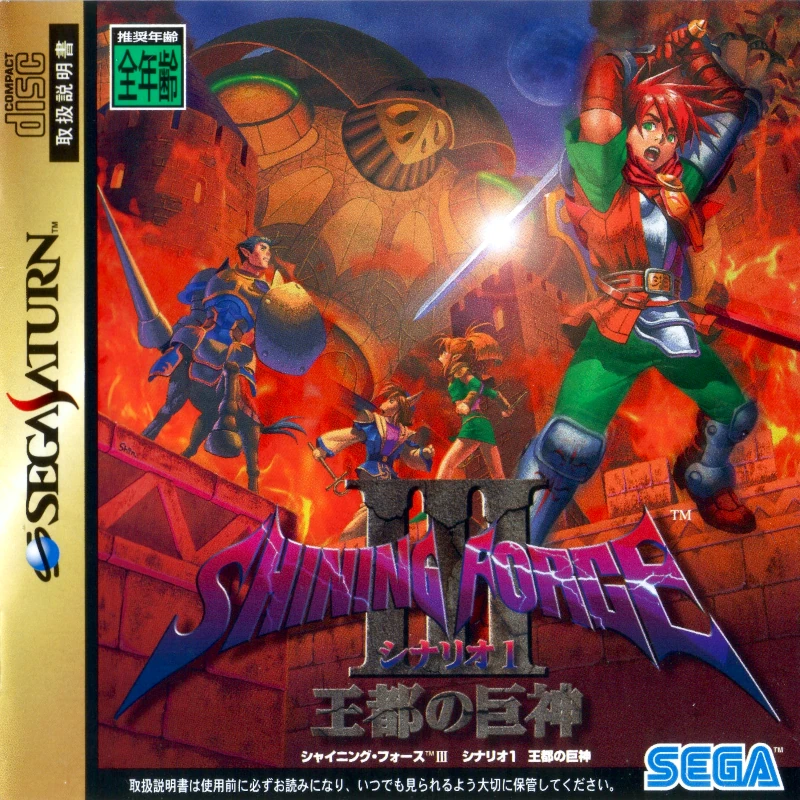
#9. – Shining Force III: Scenario 1
This one is known as just Shining Force III in the West. You see, Sega in their infinite wisdom released three different scenarios. Unfortunately the first was the only one they released outside of Japan. What can I say, it’s Shining Force but in 3D. That’s more than enough to appease a fan of the franchise like myself. This one follows the exploits of a youth named Symbios, who, after uncovering a plot to overthrow his kingdom joins forces with a rag tag group of fighters to save the day. The game uses the traditional grid based battlefields. They’re big, and this time rendered in full 3D. What’s particularly impressive is the fight sequences. These push the Saturn hardware to their limits and look amazing. While it’s the weakest of the three scenarios this one is still absolutely worth playing. In a perfect world gamers will finish the trilogy.
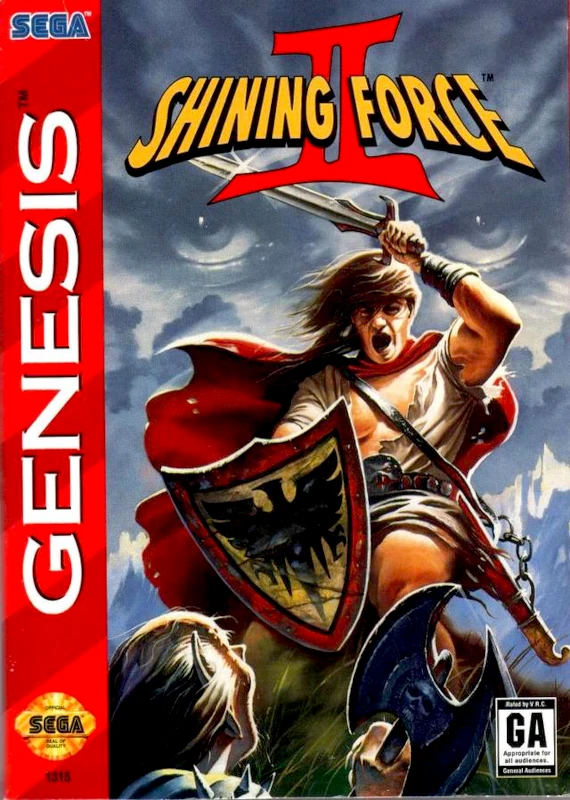
#8. – Shining Force II
Tired of hearing about Shining Force yet? We’re not done. Shining Force II took everything that made the original great and kicks it up several notches. Gameplay is basically the same. If it’s not broken don’t fix it. Right? What is new is the branching promotional paths. You can upgrade many characters in two different ways. For example, clerics can become more powerful healers in the form of vicars. Or, if you want a little more fighting power you can make them monks. That’s just one example. Some are really unique such as making knights into pegasus knights that can fly. For the first time in the franchise the story is good, and the graphics look really good for a Genesis title. Heck, even the soundtrack is decent. It’s the characters though that make this one special. Choosing who to use is half the fun.
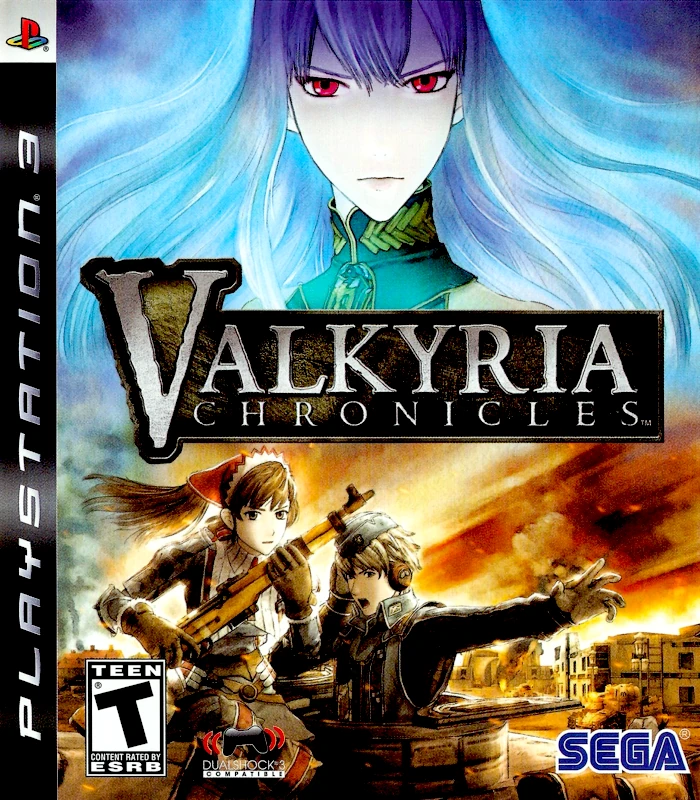
#7. – Valkyria Chronicles
This was the first truly special game I played on the PS3. Valkyria Chronicles was a labor of love, and it shows. I absolutely love the historical references as the plot loosely follows the story of World War I. Of course, there’s also a healthy dose of anime shenanigans thrown in for good measure. The battle system is inspired. You view your units from an overhead map, as well as the enemies and terrain. Upon selecting a troop you’re whisked to a 3D view as you take direct control. You can attack, take cover, and more. There’s even context sensitive commands that serve to make battles feel different from one another. Inactive characters even attack those performing their turn. Setting up defenses based around this adds a ton of strategy to the experience. Valkyria Chronicles might just be the best game on PS3, in my opinion.
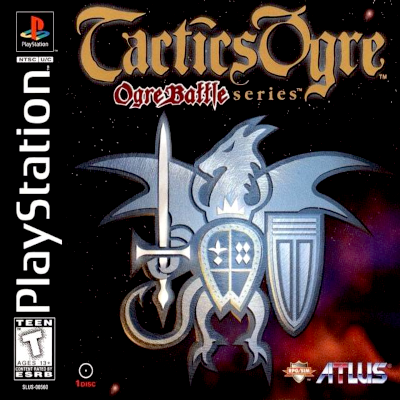
#6. – Tactics Ogre
Tactics games became a huge hit during the 32-bit era. A significant portion of them followed the formula established in Tactics Ogre. For good reason. It’s still one of the best strategy RPGs anywhere. It was one of the first of its kind to use an isometric point of view. You form a party of characters both significant to the story, and throwaway guys you can basically create. The job system determines their attributes and abilities, and you can freely change most of your fighters on a whim. There are few other strategy RPGs where you’re given this amount of control over your party. Add in terrain and weather effects, and you have a dynamic battle system that makes the game an absolute joy to play. I can see a case for this being number one on any list of the best strategy RPGs. It’s that good.
#5. – Shining Force III: Scenario 2
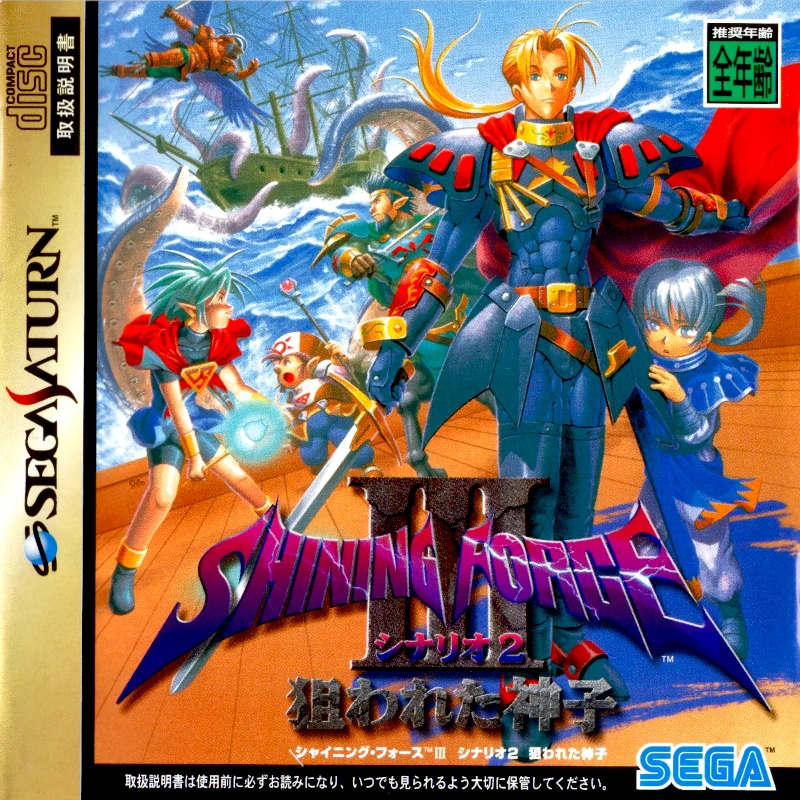
Shining Force III: Scenario 2 is even better than the first one. What’s most interesting about it is that you play from the side opposing the already established heroes, and their paths cross several times through the story. This time around you play as Prince Medion, and his envoy. He too gets swept up into the plot of Emperor Domaric’s conquest to take over the world despite having reservations, and like Symbios, meets up with a rag tag group of quirky characters that join his force. The first thing you’ll notice about this one is the upgraded graphics. The battle sequences have been updated with really good lighting and texture work. This looks like a late gen PS1 title. That’s not why it’s better though. The battle scenarios are more dynamic, and you encounter more unique characters. I love how how the choices made in this scenario affect the third.
#4. – Sakura Taisen 2
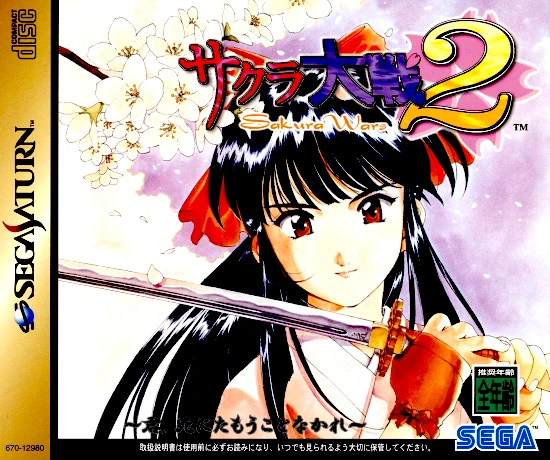
In my opinion this is the best game in the Sakura Taisen franchise. That’s a high standard, and anyone who has played these titles knows that’s a huge compliment. Sakura Taisen 2 picks up where the original left off, but one year later. Ichiro Ogami is still with the Flower Division under the guise of a theater troupe. Once again they make the people of Tokyo laugh and cry during the day, but when called to duty they board mecha robots to save the day. It’s a weird mix rounded out with a heavy handed anime motif and steampunk setting. The visual novel/dating sim parts aren’t necessarily better here. It’s the battles that are improved. Gameplay scenarios are more varied and interesting. Plus, there’s new commands battle options to mix things up. Sakura Taisen 2 is an absolute treat and easily one of the best strategy RPGs of all time.
#3. – Fire Emblem: Seisen no Keifu
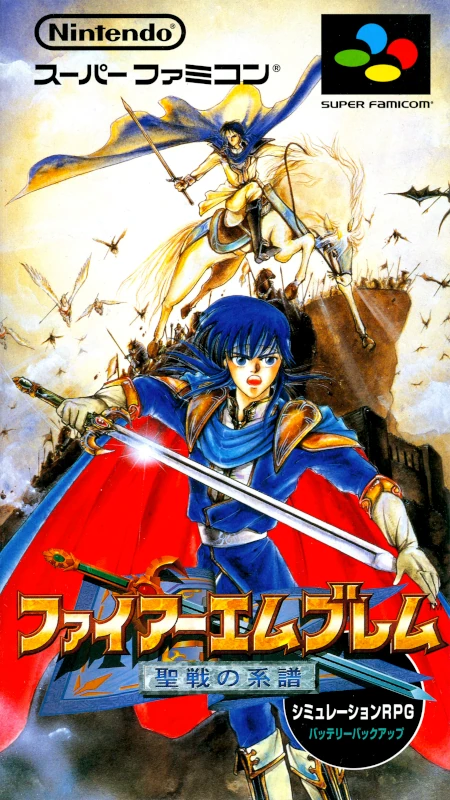
This is the best Fire Emblem game that no one played. At least that’s true for the West. Seisen no Keifu still to this day hasn’t been localized, and it’s a crying shame. This one has everything a good strategy RPG needs. Interesting battle scenarios? Check. Dynamic and changing obstacles and hazards? Check. A fun story that’s intriguing and has a lot of twists? Check. Everything it does, it does well. I especially like how battles change based on your actions. Capture a specific castle under siege and a nearby one will deploy additional units to try and take it back. This one is hard as nails too. The CPU enemies pull no punches, and the battle scenarios will test your muster. There’s also a generation system that comes in to play at every turn. Everything that’s good about Fire Emblem is just better here.
#2. – Shining Force III: Scenario 3
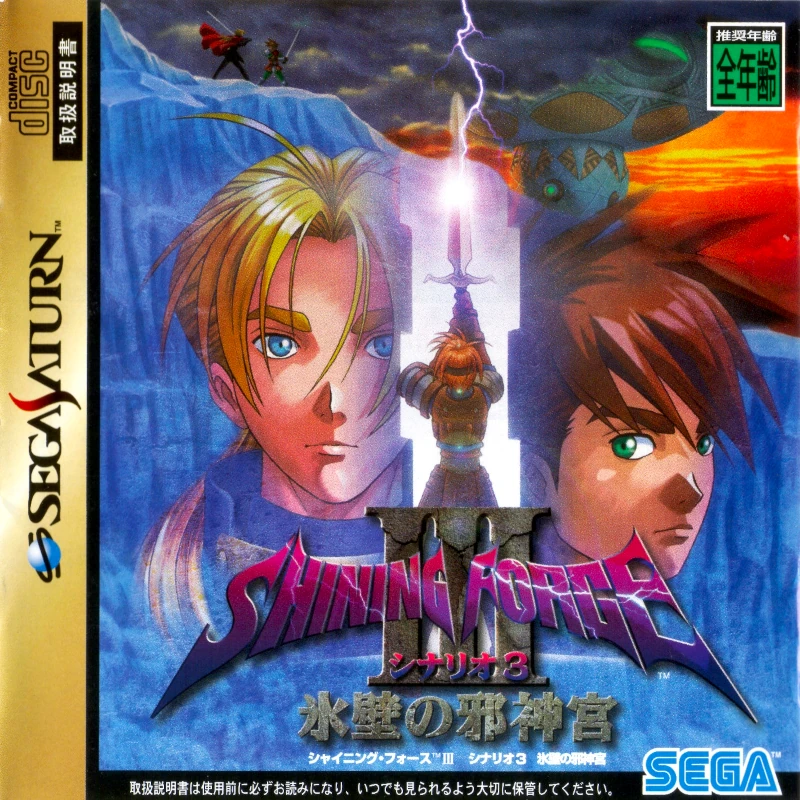
This third scenario is beyond rewarding to play. By using saving data from the first two you will determine the characters that join, items that can be found, and even some minor plot points. It’s basically divided into two sections. The first has you playing as Julian. This guy joined both Symbios and Medion for short bursts of their stories. He’s the hero now that unites the three forces, in order to save the world. Sections of this game have all three parties working together in unison to push back against the Bulzome forces, and the fact that characters, stats, and items carry over from the other scenarios is amazing. Not to mention the fact that this game has some of the most interesting battle scenarios in any strategy RPG, ever. I could sing this game’s praises all day. Shining Force III: Scenario 3 is that good.
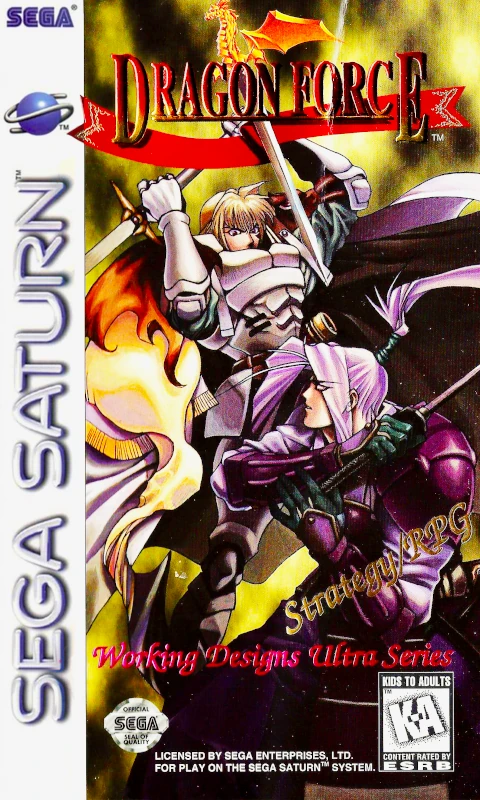
#1. – Dragon Force
And here we have it. Dragon Force on the Sega Saturn is the best strategy RPG of all time. There’s just been nothing else quite like it. The game has you forming squads of characters, and like in Ogre Battle, they move in real time. The paths are pre-determined which is kind of a bummer, but the battle system more than makes up for it. When a skirmish breaks out your army of up to one hundred characters moves automatically. You select basic strategies for them. Watching your guys clash with the enemy is downright engaging. What’s also cool is that you can select to start the game as eight different nations each commanded by a different monarch. These scenarios can feel entirely different from one another. Dragon Force is simply incredible. No other strategy RPG has even come close.
