
The best SNES RPGs is a topic that’s not easy to approach. For one thing the console is widely accepted one of the best places to play role playing games. Nostalgia is also a big driving force for these fans. I’m not immune from this. I’ll admit right away that I grew up playing many of these titles. Even with the passage of time my opinions haven’t changed that much. It is after all the generation that made me a fan of these games. It’s also where the big franchises like Dragon Quest and Final Fantasy really hit their stride. With nostalgia in the air we’ve decided to take a look at some of these role playing games today. Here’s out list of the Top 30 Best SNES RPGs of all time. Let’s get right into it.
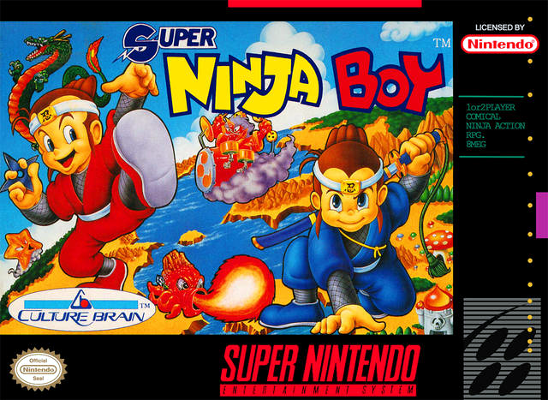
#30. – Super Ninja Boy
Super Ninja Boy is a little known sequel to an equally obscure action role playing game on the NES called Little Ninja Brothers. At first glance this one looks pretty traditional. You explore a world map, purchase supplies in towns, engage in random enemy encounters, etc. So what’s different? For one thing the combat system is action based. In these sequences Super Ninja Boy is played more like a side view beat ’em up. You punch and kick various enemies, and gain experience points at the conclusion of battle. It’s pretty unique, but there’s more. Super Ninja Boy can be played entirely in multiplayer. Everything from battling foes to exploring has two players on-screen moving in real-time. It’s unconventional, but it works. The game is also a lot of fun especially when you tackle the adventure with a buddy. Super Ninja Brothers is a real hidden gem.
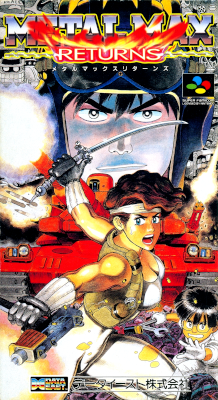
#29. – Metal Max Returns
Here’s the first, but not the last, import game on this list. Metal Max Returns is a Japan-only remake of a NES game that didn’t make it overseas either. This is another release that looks deceptively traditional. Exploration is like in your typical role playing game, combat is turn based, and you amass a party of various characters while managing their equipment and items. What’s different is the fact that you can find, manage, and use tanks both in battle and for travel. These machines are much stronger than human characters but have limited ammunition. What’s also unique is the fact that Metal Max Returns is non-linear. The world map is open with few road blocks which leaves players to tackle bounties (the main means of progression) in the order of their choice. Metal Max was a highly ambitious NES release, and the SNES version is even more impressive.
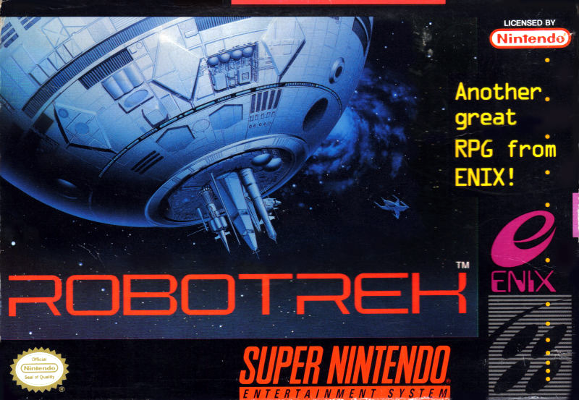
#28. – Robotrek
Pokemon was far from the first ‘catch em all’ quests. Robotrek has a similar premise, but came out years before the Pocket Monsters craze. This SNES RPG has you creating and customizing robots to your hearts content. Oh, and there’s battling. That’s not a point to be skimmed over considering it’s the focus here. Combat is completely turn based, and uses a simplified version of the ATB mechanic from Final Fantasy. Unfortunately you can only use one robot at a time. There’s always the option to switch to another of your creations, but this comes at the cost of a turn. Battles are surprisingly entertaining. It feels like you’re constantly experimenting with different builds for your robot army. The focus on invention, and the light hearted approach to the genre make Robotrek a winner. Seriously, don’t sleep on this one.
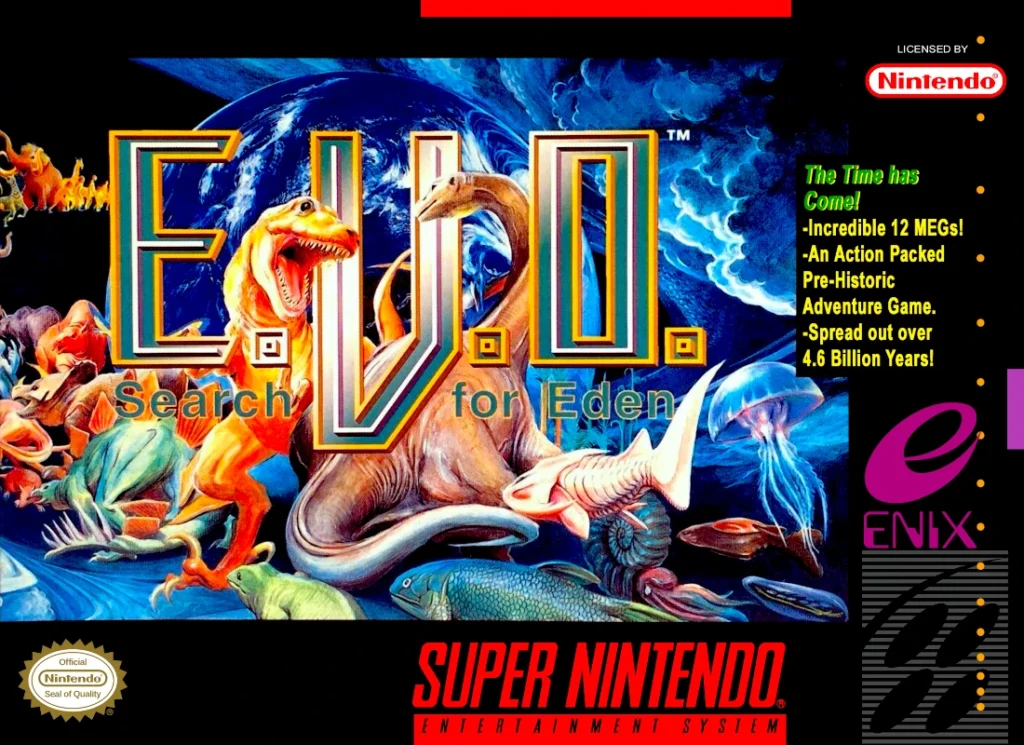
#27. – E.V.O.: The Search For Eden
Hey kids, ready for a lesson on evolution? Admittedly EVO: Search for Eden probably isn’t the best source, but it’s unique premise makes it a standout in the library. The game is an action RPG wherein you play through five different periods of the Earth’s history. You start out the game as a simple fish with few offensive capabilities, but later stages take you on land as a prehistoric reptile, and more. Your goal is to eat all the food you can. This comes in the form of meat left behind by defeated foes, and grants you evolution points. When you reach certain levels you can choose how your character evolves. It might be stronger teeth, bigger fins, horns, etc. These increase either your agility, defenses, or offenses. Let’s not sugar coat it. The game is bizarre. It’s also a lot of fun, and a truly unique premise.
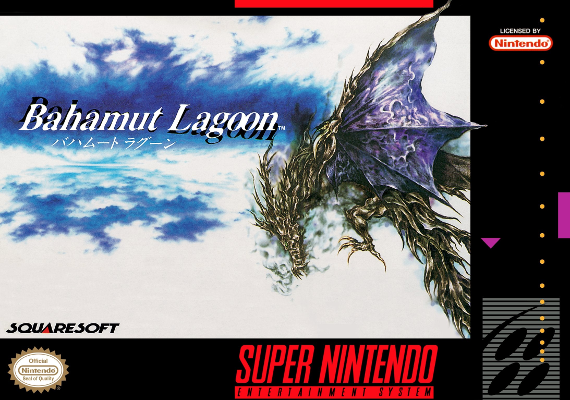
#26. – Bahamut Lagoon
It needs to be said. Strategy RPGs could use more dragons. Bahamut Lagoon answers this call in a beautiful way, and with a lot of finesse. At first glance the game looks like most other tactics titles of this era. You move characters on a gridded map and engage enemies when within range. There are a few key differences here though. For one thing you have dragons on your team. These act on their own and can be customized by feeding items to them. Secondly your characters are divided into squads. When engaging enemies you have are moved to a separate battle screen and engage in a brief exchange with command inputs for each party member. This mimicks a traditional RPG which is a unique approach for a tactics based game. Because of this it doesn’t feel like a pure strategy RPG. That fact is Bahamut Lagoon’s greatest strength.
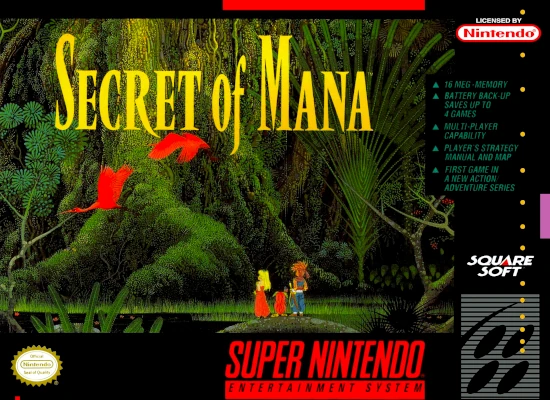
#25. – Secret of Mana
This was one of Squaresoft’s biggest hits in the West when it first came out. Secret of Mana is actually the second installment in the series with the first being released on the original Game Boy as Final Fantasy Adventure. This game is pure action RPG. From an overhead perspective you battle foes in real-time. Well, sort of. Your attacks have a power gauge. Each time you strike a foe this depletes, and while idle it charges in real-time. This determines the strength of each attack. The options are basically to whittle away at foe’s hit points or charge up for a powerful strike. What’s really great about this game is the environments. Each location is a real treat to explore. The graphics are also beautiful, and the soundtrack stands toe to toe with the best of this era. There’s even a multiplayer option letting you bring three friends along.
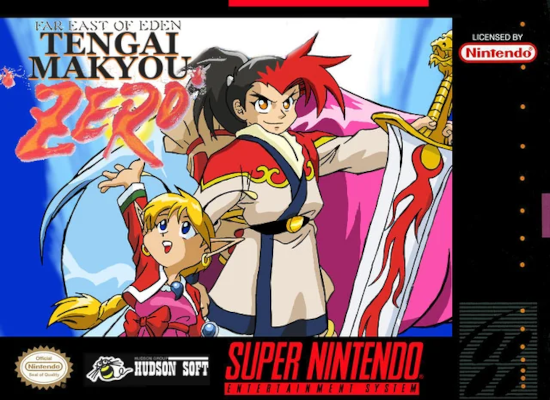
#24. – Tengai Makyou Zero
It’s no secret that many of the best SNES RPGs were never released outside of Japan. Tengai Makyou Zero is one of them. While the series was best known on the PC-Engine the developers apparently couldn’t ignore the Super Famicom in the end. What we have here might just be the most ambitious RPG on the platform. Not only does it have an internal clock (with events tied to real-world time) but the graphics are absolutely insane. Tengai Makyou Zero is, without a doubt, one of the best looking games on the platform. Visuals aside this one plays like a traditional role playing adventure. Combat is purely turn based. There’s no ATB to instill a sense of urgency. With that said the battle scenarios are interesting. There’s just enough variety to be fun until the end of the adventure. It’s disappointing this one was never released in the West.
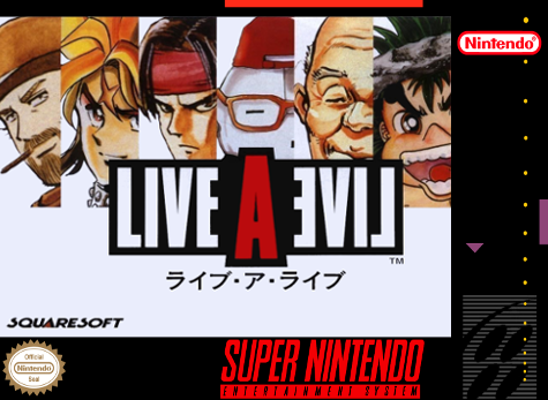
#23. – Live-A-Live
It’s games like Live-A-Live that really make me miss how ambitious and experimental Squaresoft was in the 90s. First of all it’s easy to see why this one was never released outside of Japan. Live-A-Live is, in a word, weird. You start out by selecting from various scenarios that star different characters from a plethora of different eras. The variety here is insane. One story takes place in the caveman era, another in a future ran by robots, and there’s another story where the setting is the wild West. One even has you playing as a professional wrestler in modern times that learns moves from his opponents in a fashion similar to Mega Man. While Live-A-Live is a turn based RPG it’s far from traditional. You can move characters across the battlefield during their turn, and location is key. It’s all crazy, but in the best way possible.
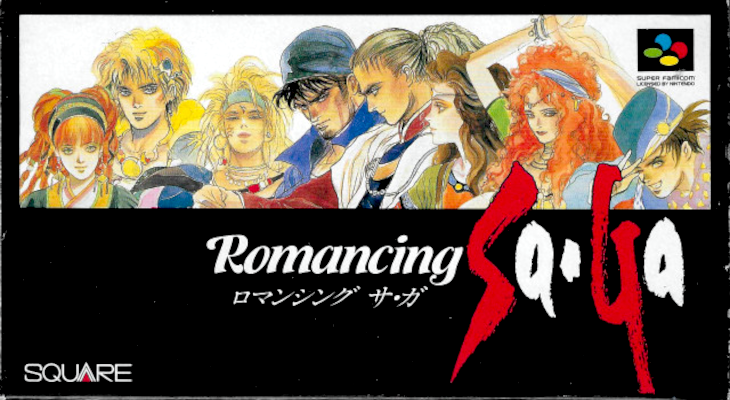
#22. – Romancing SaGa
The SaGa series is best described as bizarro Final Fantasy. Like Mana this is another franchise that moved from the Game Boy to the Super Famicom. The original Romancing SaGa has all of the quirks the series is known for, but with some 16-bit luxuries. More has been upgraded than just the graphics and music however. Customization is the name of the game here. Not only can you choose from eight different scenarios, but you can choose the abilities of their parents and thus determine attributes passed down to them. This ensures you can play the game in numerous ways. There’s a really cool open world approach with context sensitive side quests. All of this is wrapped in a feature rich turn based battle system with some compelling options at your hands. Romancing SaGa is unique even today. It’s easily one of the best SNES RPGs.
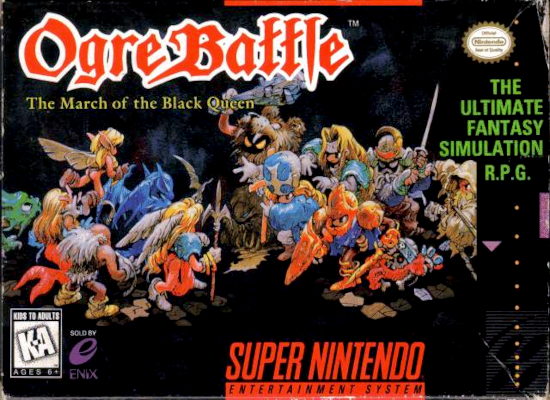
#21. – Ogre Battle: The March of the Black Queen
In the 16-bit era developers were basically allergic to releasing strategy RPGs in the West. Quest was one of the few willing to take the chance. Ogre Battle: The March of the Black Queen is unique even today. Here you create squads of characters and deploy them in battle across vast maps. What’s unique about this one is that while you guide their movement across the battlefield the characters all fight automatically. There’s a random element to gameplay however. Each time you start the game you’re given different characters, and they differ in abilities. This is true even when they’re the same troop type. Ogre Battle was one of a kind back then, and this still holds true even now. The game had enhanced ports on the PS1 and Sega Saturn but this SNES release was the only one we ever saw stateside.
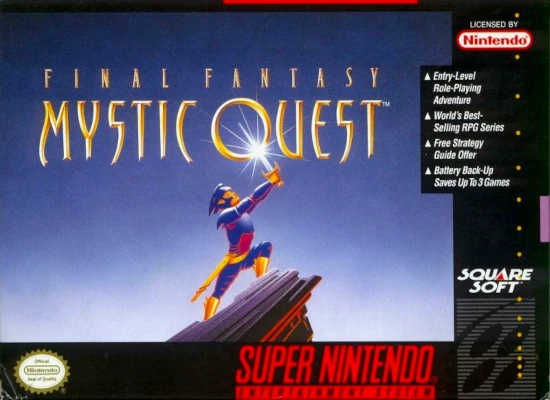
#20. – Final Fantasy: Mystic Quest
Haters gonna hate. Final Fantasy: Mystic Quest is one of the best SNES RPGs of all time. This title was designed to be a ‘beginner’s role playing game’ of sorts. It shows. For one thing your party is limited to two characters at once. There are very few pieces of equipment to outfit the protagonist with, and even fewer spells for him to learn. Where Final Fantasy: Mystic Quest excels is in its dungeon designs. During exploration you can jump, and use weapons. This allows for some very basic puzzles, but they’re a lot of fun here. It’s also nice that you can see enemies outside of battle. There are no random battles to annoy players. It’s very basic, but that doesn’t mean Final Fantasy: Mystic Quest is a bad game. It’s quite the contrary actually. Mystic Quest actually holds up super well.
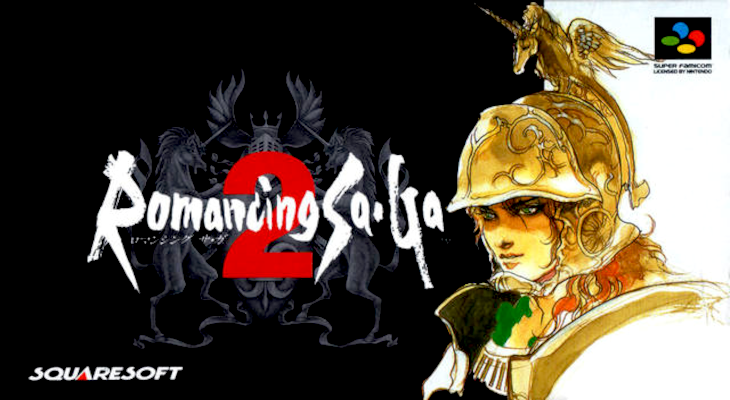
#19. – Romancing SaGa 2
The Romancing SaGa franchise has some rough edges. Part 2 rounds out some of these. Not only are the graphics improved, but the interface is also a heck of a lot more manageable here. It also doesn’t hurt that the story is significantly better as well. Romancing SaGa 2 continues the series traditions by doing things just a little different than your typical RPG. It may look and seem to play like one, but Romancing Saga 2 is far from traditional. It uses a generational system which allows the story to take place over a huge span of time, features a unique skill learning mechanic (where you learn new abilities in the heat of battle), and is focused around battle formations which offer different advantages and disadvantages. Top that off with a non-linear approach, and a perma death feature and you’ve got a truly unique experience.
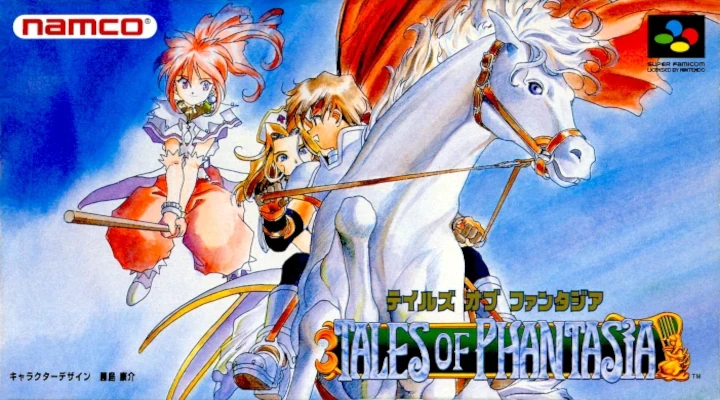
#18. – Tales of Phantasia
While we may take the franchise for granted now, on the Super Famicom Tales of Phantasia pushed the boundaries of the genre. This game features top down exploration like in most role playing games of this era, but battles are side view and real time. You can move your selected character freely left and right on the battlefield. Attacking causes them to charge at the foe. The real-time mechanic is more strategic than it at first sounds. You can move around to dodge attacks, or even try to stay out of range of them entirely. Many compare this one to a fighting game, but that couldn’t be farther from the truth. Tales of Phantasia was a one of a kind role playing experience, and thanks to the advanced graphics (for the time) it holds up remarkably well even if gameplay can be a little clunky.
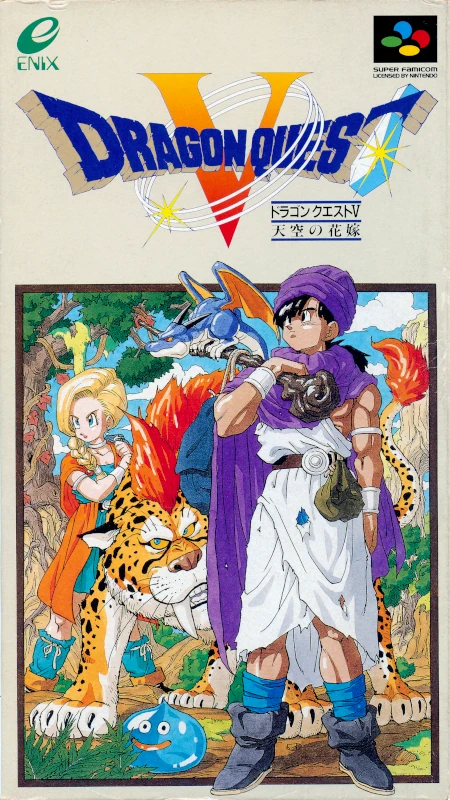
#17. – Dragon Quest V
I feel like I’m going to catch some stray comments for such low placement of this heralded classic. Dragon Quest V may be excellent, but it’s limited compared to other installments. The big difference in this sequel is that it has a stronger focus on story. We still get the neat little self enclosed vignettes, but they went all out with a charming and epic narrative. At its heart though this plays like a typical Dragon Quest game. Combat is a bit slow utilizing the old turn based mechanics. The problem I have is that you can only have three characters in your party at once. Worse yet there’s no job system in place. You can however recruit monsters. Pokemon, eat your heart out. The generation mechanic plays heavily into the story, and even affects the gameplay. This is one of my favorite utilizations of the system.
#16. – Breath of Fire
Let’s get something out of the way right now. Breath of Fire isn’t simply bargain bin Final Fantasy like we’ve all been led to believe throughout the years. It’s one of the most charming and entertaining role playing games of all time. That translation though… woof. Get ready for some awkward English and many a spelling error here. When you’re able to get past that it’s smooth sailing. The game has a bright and colorful aesthetic that’s sure to stick with players for a long time. The battle system is fairly standard, but the enemy animations look amazing even today. Plus, the main character can transform into various dragons. What’s not to love about that? The high point for me however is the dungeon designs. There’s a lot of variety with them and although the puzzles are light I found them highly enjoyable. Breath of Fire is severely underrated.
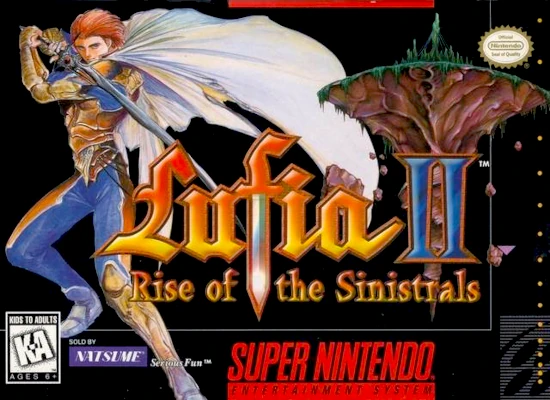
#15. – Lufia II: Rise of the Sinistrals
Imagination if you will a traditional turn based RPG, but with dungeons full of puzzles with designs that rival those found in the Legend of Zelda: A Link to the Past. That’s what you get with Lufia II plus a whole lot more. Right off the bat this one isn’t actually a sequel. It’s a prequel to Lufia & The Fortress of Doom. The opening sequence to that game is the final part of the last dungeon in II. Fortunately there’s a lot leading up to the end game showdown with the god-like sinistrals. The focus here is on all that good stuff before it. Lufia II introduces several new mechanics such as capsule monsters as well as special skills tied to the equipment you use. Combat is a lot of fun, and you’re given a ton of options. It’s the dungeon designs that make this one so special though.
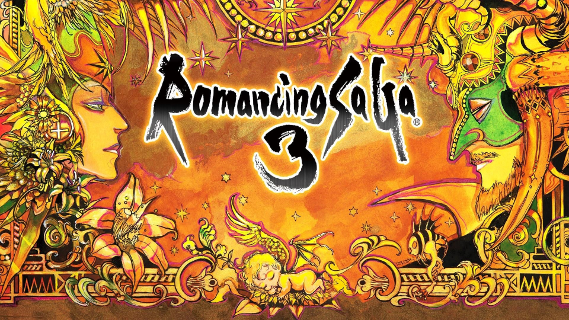
#14. – Romancing SaGa 3
The final Romancing SaGa game just so happens to be the best one. You’ll notice right away that the developers broke the budget with incredible visuals and music. Oh, and it plays well too. Romancing SaGa 3 brings back the eight different scenarios allowing you to choose one at the start of the story. While many locations and story elements are shared they are each different enough to keep things fresh. Battles are strictly turn based, but there are some unique mechanics in play here. For one thing characters don’t level up in a traditional sense. They gain stat bonuses based on their means of battle participation. It’s kind of like the Japanese Final Fantasy II but way better in this instance. Battle formations are once again a focus offering benefits based on which one you select. Character also learn skills directly in battle like in Romancing SaGa 2.
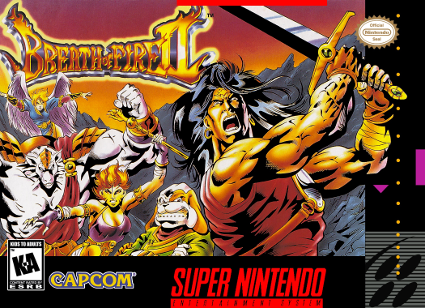
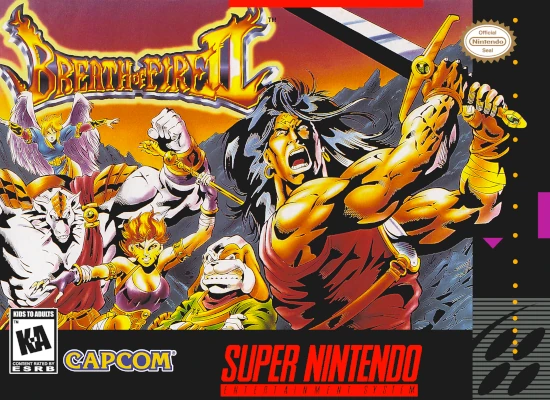
#13. – Breath of Fire II
The first game was a little rough around the edges. Breath of Fire II smooths some of these issues out. It’s not perfect by any means, but this game is a noticeable improvement. The best part is that it maintains everything that made the original so great. You have the amazing colorful graphics and lighthearted story along with the basic but fun battle system. Oh and the dragon transformations return. This mechanic has been expanded in some thoughtful ways. The biggest improvement however is that there’s now a bigger emphasis on story. The translation is still pretty bad, but characters are now more significant, and the overarching plot is much improved. Breath of Fire II might be a little on the straightforward and basic side, but it sticks to what works. It also doesn’t hurt that the dungeon designs are a cut above the rest.
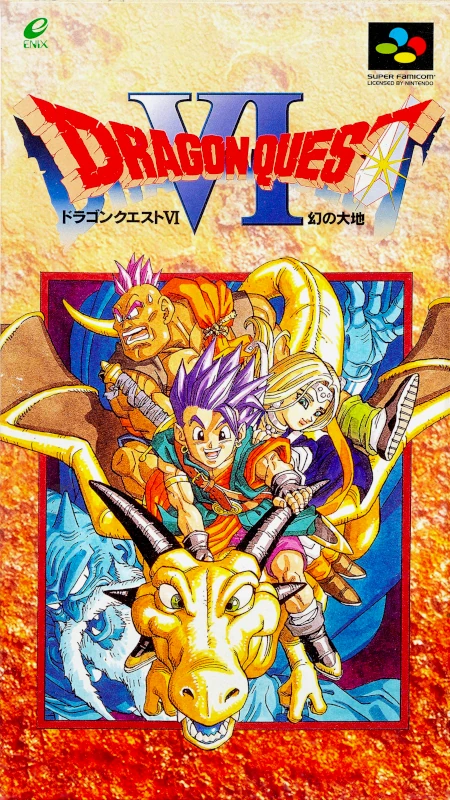
#12. – Dragon Quest VI
One of the longest standing complaints with Dragon Quest V was that the graphics were rather poor. For its sequel Enix kicked things up several notches. They also returned the franchise to more traditional trappings too. Dragon Quest VI marks the return of four person parties, as well as the job system. This time the scenario is based around mirrored worlds. You have both the real world and the dream world to explore. The two are very similar in design. They share towns and many characters. These are so closely related that your actions in one have an effect on the other. It’s an interesting premise, but hardly original. Still, Dragon Quest VI pulls it off like a boss. The classic turn based combat system returns, but it feels like with the job system in place you have more options than ever before. The game is simply amazing.
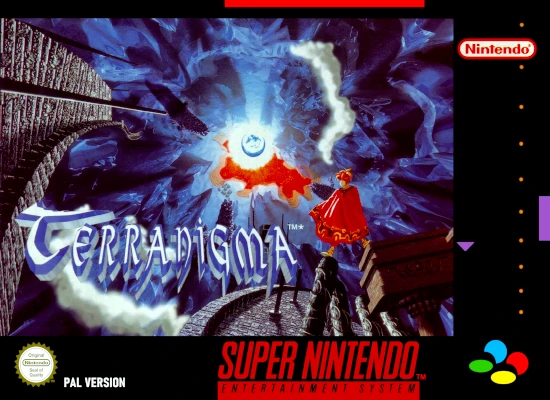
#11. – Terranigma
Terranigma was actually the third release in the Quintet trilogy (which included Soul Blazer and Illusion of Gaia). It’s also the only one that didn’t make it to North American shores. Thanks to a PAL version we can still enjoy it in English. Like its predecessors this is an action RPG where you hack and slash your way through a variety of dungeons. This time you play as a youth named Ark from the underworld who accidentally opens Pandora’s Box. This forces him to go to a version of the Earth from the past to release not only animals and towns, but also the people living in them. It’s a genuinely interesting premise with some real world locations included. Combat is fun and there are a lot of fun gameplay scenarios. The dungeons are also nicely designed with light puzzles and hordes of enemies. The story really drew me in.
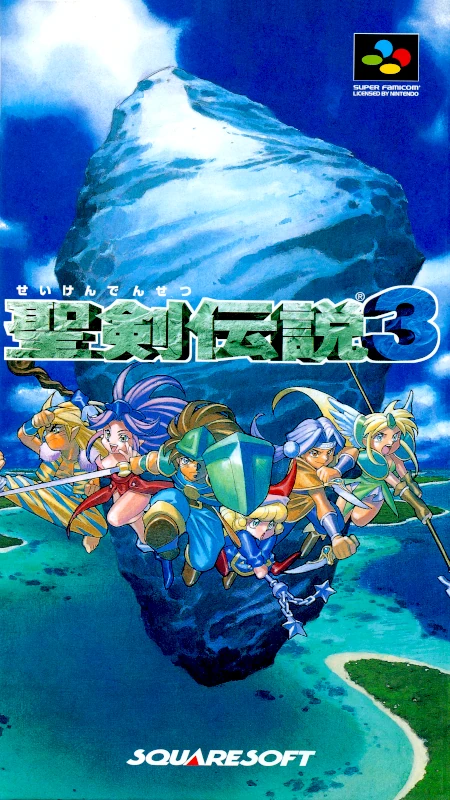
#10. – Seiken Densetsu 3
What we have here is one of the most ambitious RPGs of this era. It’s a shame Squaresoft never bothered to localize it. Seiken Densetsu 3 is one of the biggest role playing games released up to this point. The world is seriously huge, and you have six different character scenarios to choose from. They kind of blend together at key points, but they’re interesting enough on their own. Add to that a deep job system and the classic Mana series gameplay we had come to love and you’ve got a serious winner. It also helps that this is one of the best looking SNES titles ever released. Some assets were recycled, but it’s hard to care when the backgrounds are drop dead gorgeous like they are here. Gameplay is surprisingly smooth and uses the same charge mechanic of earlier titles. Seiken Densetsu III is worth playing even today.
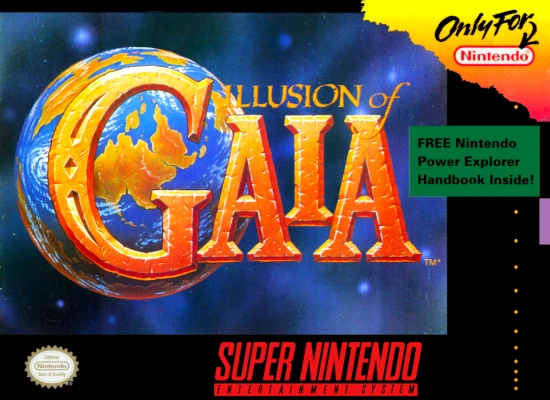
#9. – Illusion of Gaia
Perhaps it’s nostalgia speaking, but I absolutely love Illusion of Gaia. Everything about it is pure master class. On the surface it looks like most SNES RPGs. Combat is action based with your character striking foes with their flute. This instrument can also be used to play songs for various effects. This was years before Ocarina of Time used music as an overarching theme. It’s the dungeons however that take the cake. These are very thoughtfully designed and even as an adult some of them left me scratching my head. Your character can even change into two other forms. One of these is a knight with a large sword, and the other is a shadow that can melt into the floor. You’ll need to switch between them as the dungeons often require each at different moments. Even the story is interesting, albeit a little dark for an SNES RPG.
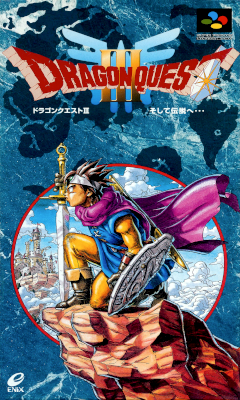
#8. – Dragon Quest III
The best NES RPG of all time is also one of the greatest on the SNES. This isn’t a simple port though. Enix remade the game from the ground up for the 16-bit hardware, and used the Dragon Quest VI engine to power it. This means it’s beautiful. Let’s not forget the music though. The soundtrack is even better than in the original. Fortunately that’s not all that has changed. Dragon Quest III on the Super Famicom brings a few new mechanics to the mix. One new thing is the character personalities. Basically these help dictate how they grow stat-wise. Obviously some choices are better given the class you’ve chosen, but this let’s you mix things up. I like that you don’t just get to choose the main character’s personality. It’s determined through a very well done prologue sequence. New stuff aside this is classic Dragon Quest at its best.
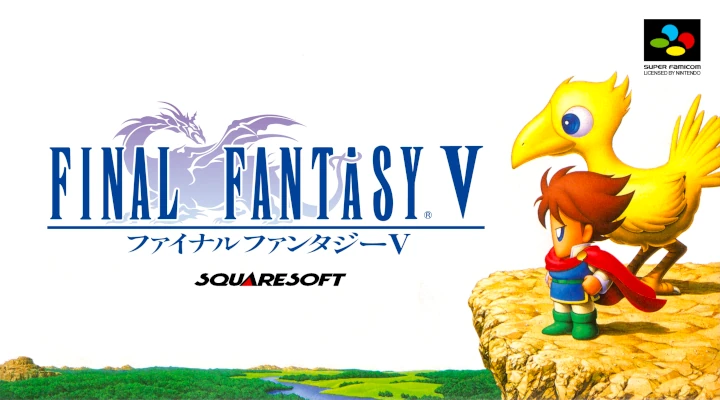
#7. – Final Fantasy V
What can I say? I’m a sucker for the classic Final Fantasy job system. Part V has the single best example of it across the entire franchise. I love how you can mix and match abilities between jobs. This allows for a ton of strategy. You’ll need to experiment because Final Fantasy V is one of the more difficult installments. The rest of the game is standard fare for the franchise. Like that’s a bad thing? It uses the classic ATB system where characters get their turns as a bar at the bottom of the screen charges in real-time. There’s also multiple world maps to explore, airships, plot twists, and all the other fluff that comes with the series. There are however a few things holding this one back. For one the plot is really lackluster. Secondly the graphics are kind of weak, and the soundtrack is ultimately forgettable.
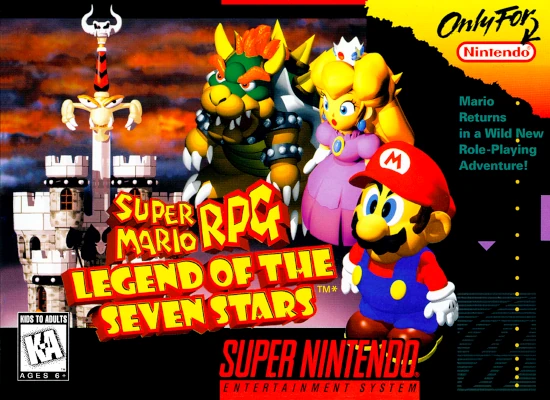
#6. – Super Mario RPG: Legend of the Seven Stars
Before their big break-up Nintendo and Squaresoft teamed up for what I still consider to be the best Mario role playing game of all time. It was kind of like a clash of both worlds in the best way possible. The game takes on a unique isometric perspective for exploration. Classic Mario elements such as his jump take priority for exploration. There’s a surprising amount of platforming here. The battle system is where things get even more interesting. Combat is turn based, but focuses around timed button presses to either defend against attacks or dish out more damage. It’s an interesting mechanic that feels like a distinct Nintendo twist on the classic format. You can even see enemies before engaging them in battle. This allows you to avoid encounters if you so choose. Super Mario RPG is downright gorgeous, and it plays as good as it looks.
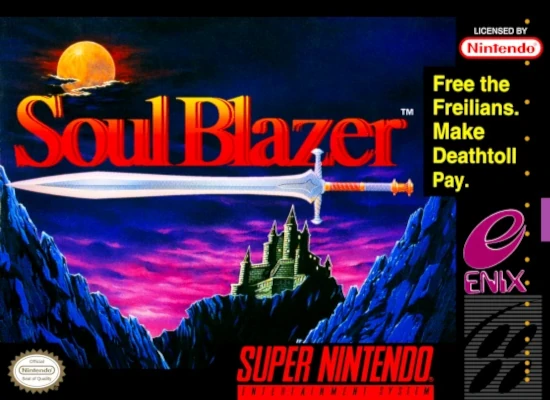
#5. – Soul Blazer
Completely out of left field comes Soul Blazer ranking in at number five. I’m sure several readers are checked out after seeing this, but bear with me. Soul Blazer is in my opinion one of the best action RPGs of all time. It features a top down perspective, and combat using a myriad of different swords each with different abilities. You also have unique spells at your disposal which are unleashed from an orb that rotates around the main character. What sets Soul Blazer apart for me is the city re-building mechanic. As you defeat monster lairs in the well designed dungeons it frees people living in the empty towns. This isn’t simply limited to villagers though. You’ll also save plants, animals, and even inanimate objects. Thanks to this progress is downright rewarding. I also really love the sad story, and the somber overtones of just about everything here.
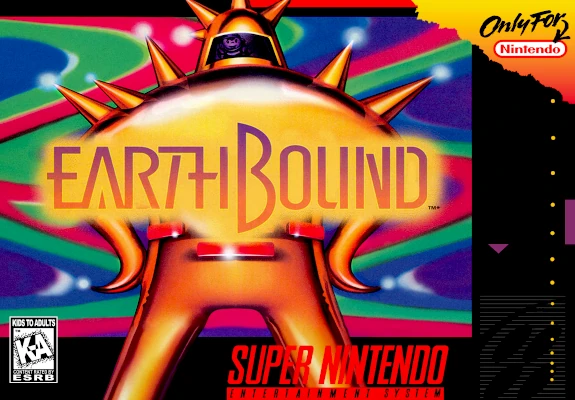
#4. – EarthBound
If you haven’t played Earthbound before then brace yourself. This game is weird. It’s so strange that many attribute this with the game bombing in North America. You play as Ness. He’s a little boy living in a world based around 1960s America. One night aliens crash land in his hometown of Onett, and this sets in motion a quest to save the world. Who gives Ness this mission? A talking insect named Buzz-Buzz of course. EarthBound is a traditional turn based RPG, but it’s the setting, characters, story, graphics that have made so many fall in love with it. You can try to resist, but this one will charm you into being a fan. Combat is pretty standard with the basic commands like attack, item, magic (psychic powers). It is however highly strategic. Some of the boss encounters require you to learn each character inside and out.
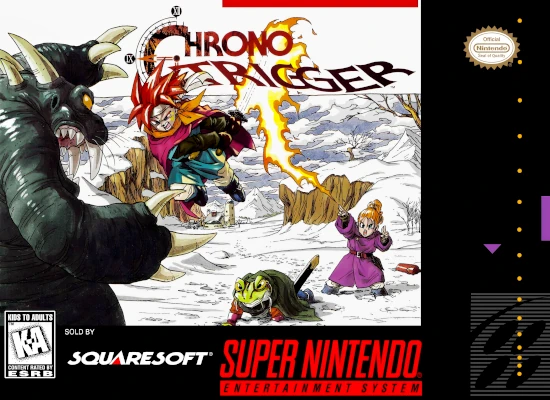
#3. – Chrono Trigger
You would have to be crazy to leave Chrono Trigger off of a list like this. The only thing I regret is not being able to place it higher. Chrono Trigger deserves all of the love it has gotten over the years. This time travelling RPG has one of the most compelling stories across the entire medium. It also has a unique combat system wherein battles break out the moment you touch an enemy on the field, and with no transition to a separate screen. It’s strongest point is in the combine techs. Two or more compatible characters can combine their special skills to create a more powerful effect. This adds a ton of layer of strategy when choosing a party. It’s a bummer that you can only have three characters in battle at once. I love everything about Chrono Trigger. I just wish it was a little longer.
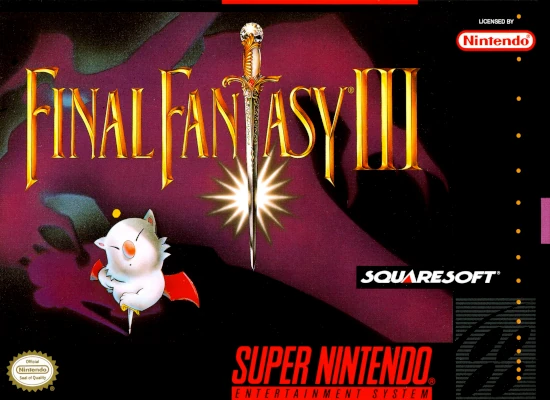
#2. – Final Fantasy VI
This is the only Final Fantasy game that can compete with part seven in terms of mindshare among the fans. There’s good reason for this. Final Fantasy VI is easily one of the most ambitious role playing games of all time. It features an excellent story that becomes almost completely non-linear in its second half. The plot even tackles dark issues which were a big no-no back then like abortion and suicide. As far as gameplay goes it’s typical Final Fantasy fare. What I like is that there’s no clear cut main character. This means you’re rarely forced to use any singular character. With sixteen to choose from there are a ton of options for your party layout. While everyone can learn the same magic spells each has their own unique skill and these are super helpful. Final Fantasy VI is just as impressive and fun as it always was.
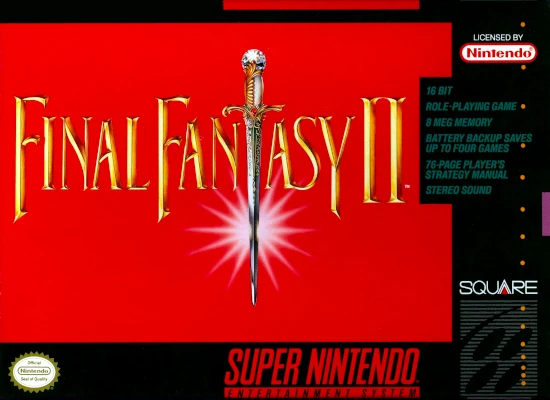
#1. – Final Fantasy IV
Hate all you want. Final Fantasy IV is my favorite game in the series. It’s also the best RPG of all time in my opinion. With that out of the way let’s get into what matters. The gameplay. Final Fantasy IV introduced the ATB system to the franchise. Battles are fast paced, and you’re given a variety of different options with each character. While you cannot choose your own party (it’s pre-determined by story progression) it’s a ton of fun to explore your options to find the best tool to use in any battle scenario. What I love about this one is how simplistic it is. There aren’t a lot of bells and whistles. It plays like a dream though with creative dungeons, an interesting world map to explore, and excellent boss battles. Even the story is fun with lots of charm overshadowing the tropes. I still replay it regularly.

Margaret
This list is perfection. 100/10 no notes.
Stephen
It is always a treat to see other Final Fantasy IV lovers. It is my all time favorite, and it can hang with just about any RPG of that era. The only place we disagree on is the placement of Earthbound, and Lufia 2. To me they should be swapped, but this is not my list so that is a moot point.