
Nintendo NES

Mega Man 5 Review (Nintendo, 1992)
It’s hard to believe that while Mario and Sonic were lucky to have three mainline sequels per console generation Capcom was able to fill out their release list with no less than six Mega Man tit...[Read More]

Mega Man 4 Review (Nintendo, 1992)
Mega Man 3 wasn’t particularly hot in my opinion. Capcom messed with the new formula by adding in the slide ability and didn’t come up with any creative uses for it. Additionally the roste...[Read More]

Final Fantasy Review (Nintendo, 1990)
Although Squaresoft would eventual go on to become one of the biggest Japanese developers/publishers around their start was a rather humble one. They developed a lot of small arcade style games for th...[Read More]
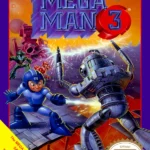
Mega Man 3 Review (Nintendo, 1990)
After Mega Man 2 went on to become a million seller it was inevitable at this point that Capcom would release a few more sequels, but they really went overboard. The topic of this review is part 3, an...[Read More]

Dragon Warrior IV Review (Nintendo, 1992)
After Dragon Warrior III (Dragon Quest in Japan) I imagine gamers were tired of the same story. The first three games focused around a legendary hero named Erdrick (Loto in Japan) and the exploits of ...[Read More]

Mega Man 2 Review (Nintendo, 1989)
The original Mega Man was a smash hit worldwide. Back in this time Capcom wasn’t known as the king of sequels as they are now, but due to the game’s success a sequel was all but guaranteed...[Read More]
Mega Man Review (Nintendo, 1987)
Capcom began as a developer focused mostly on the arcade scene. They released console titles, but they consisted almost entirely of home versions of their most famous coin-op games. Mega Man (Rock Man...[Read More]

Dragon Warrior III Review (Nintendo, 1991)
One thing I’ve always liked about the early Dragon Quest (Dragon Warrior in North America) series is that developer Enix divided the games into sub-series. The first three tell the story of a le...[Read More]
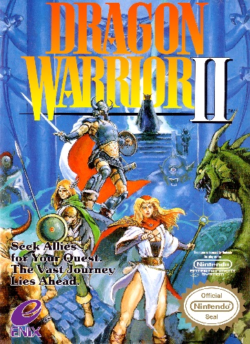
Dragon Warrior II Review (Nintendo, 1990)
The original Dragon Quest (Dragon Warrior to us English speakers) was a big success in Japan. It was however the first sequel that caused the new franchise to absolutely explode in popularity. Dragon ...[Read More]