
What I was most excited for when the GBA was announced was ports from the Super Nintendo. RPGs, to be exact. After all the hardware was super similar in terms of strength, and the SNES had some incredible role playing games. While the original Game Boy wasn’t exactly amazing when it comes to this genre (Pokemon and Final Fantasy aside) I just knew the GBA wouldn’t do me wrong. I was right. Developers not only ported their best, but also developed a plethora of original RPGs as well. I’m getting giddy just thinking about it. Today we’re going to look at the best GBA RPGs of all time. It’s a mix of old and new, but these are all good. Here’s our top 25 list.

#25. – Tales of Phantasia
The original release of Tales of Phantasia only came out in Japan on the Super Famicom. A few ports and generations later, and finally we get it in English, but on the Game Boy Advance. It was pretty special because this marked the first time Tales of Phantasia has been released outside of Japan. The game itself is more of an action RPG. It has plenty of traditional mechanics however. You traverse the world from an overhead perspective and battles occur at random. Inside these encounters you can freely move one character left and right, and strike the enemy in real-time. You can even switch between characters amongst those in your active party. The story is decent, and the battle system is fun. My only issue is with this port itself. The action has been slowed down, and battles don’t flow as they previously did.
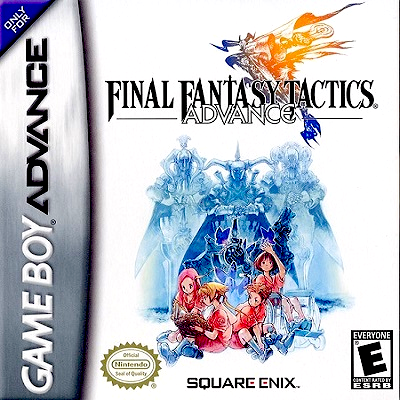
#24. – Final Fantasy Tactics Advance
I’m not the biggest fan of the original Final Fantasy Tactics. It had uninteresting battlefields, a dull story, and everything else was kind of sub-par. I know it’s almost universally loved. I could never get into it. This Game Boy Advance iteration is a bit more interesting. This may very well be because it’s entirely disconnected from the original. This game uses the same grid based battle system, and most of the mechanics are at least similar. What I like most about this game is the law mechanic. Basically each battle has specific rules you must follow in order to win. This can include banning specific items or even commands from play. This is really interesting because it has significant effects on how you play. It’s at least something new for the tired strategy RPG genre, and Final Fantasy Tactics Advance shines because of it.
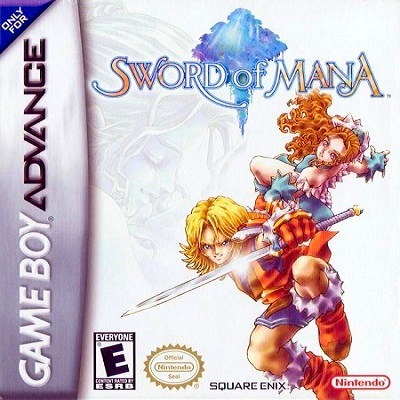
#23. – Sword of Mana
Remember Final Fantasy Adventure on the original Game Boy? Sword of Mana is a remake of it. The game plays largely the same but the graphics have been completely overhauled. The game looks absolutely beautiful. The story has been re-worked, and it’s all the better for it in my opinion. This is an action RPG using an overhead perspective. You traverse environments all the while hacking and slashing at foes in real-time. What I really like is that this game incorporates modern mechanics from later installments in the series. The power gauge from Secret of Mana returns, and this determines how much damage each strike does. Furthermore you can now move in all eight directions. That’s a big improvement from the original where you could only walk up/down and left/right. Some hate on Sword of Mana, but I think it’s better than the original. That’s just my opinion, of course.
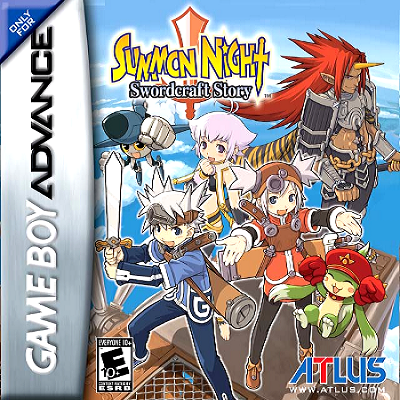
#22. – Summon Night: Swordcraft Story
Summon Night came out of nowhere for me. It’s clearly a low-budget RPG aimed at the Japanese market. Not the usual RPG publishers jump all over. Thankfully Atlus snapped it up, and the rest is history. Summon Night is pretty unique. Not only is the battle system action based like the Tales of series, but the game itself is divided into different days. It’s like Persona in this sense. During the daytime you traverse dungeons and compete in tournaments. When night falls you spend time developing the plot between characters. This dynamic is immersive, and gives the player more to do than just fight. Also interesting is that crafting weapons is a huge part of the gameplay. This is the main means by which you make your characters stronger. These unusual mechanics make for a pretty interesting and unique gameplay loop. Swordcraft Story is not to be slept on.
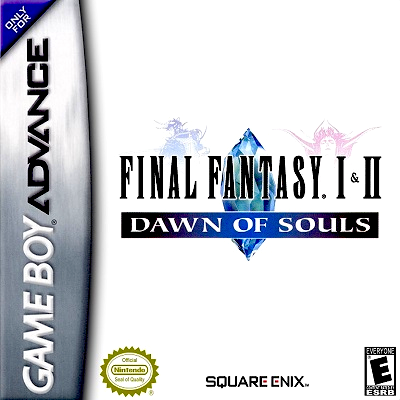
#21. – Final Fantasy I & II: Dawn of Souls
This is basically a port of Final Fantasy Origins from the PS1. Without a lot of the bells and whistles, of course. What we have here is a port of a compilation of remakes. How convoluted is that? This doesn’t mean it isn’t good however. I love this series, but to be honest the first two Final Fantasy games are a little rough. That’s especially true when it comes to the second installment. The remake makes them more stomachable though. The first Final Fantasy title has you creating a party of your choosing from several different classes as you restore the power of crystals, and eventually travel through time. Final Fantasy II, on the other hand, was experimental and more closely resembles a game set in the SaGa universe. You get stronger not by gaining experience points, but by occurrences in battle.
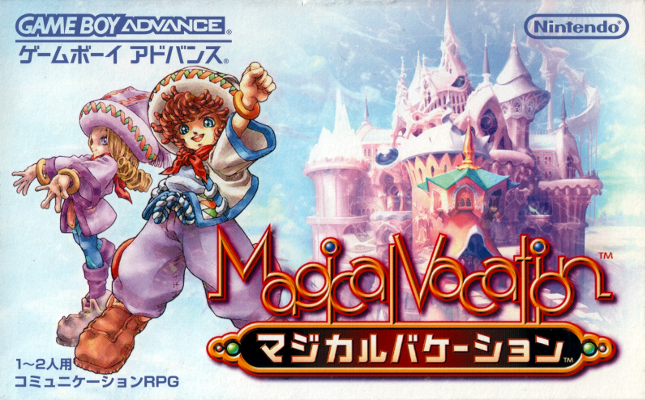
#20. – Magical Vacation
Magical Vacation was one of the very first GBA games I got really hyped for. It was developed by a fledgeling company called Brownie Brown. This company was composed of former members of Squaresoft, and the parent company had yet to announce any games for Nintendo’s handheld. Magical Vacation seemed like it was the closest we were going to get to Final Fantasy. Unfortunately it never came out in the West. Thanks to fan translators we were able to experience the game decades later. It’s sad because Magical Vacation really is a blast. The game has a traditional turn based battle system but it’s surprisingly in depth. There’s an elemental system you have to contend with which includes 16 different elements. Each has their own strengths and weaknesses. It’s a surprisingly deep game. Magical Vacation is amazing. I just wish it would have been localized at the time of release.
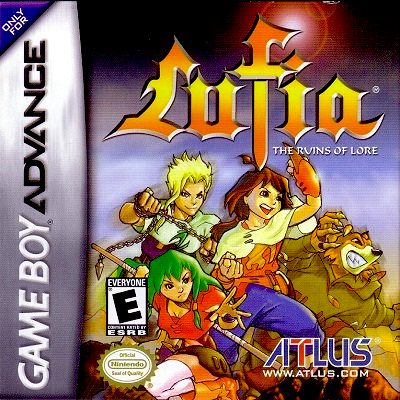
#19. – Lufia: The Ruins of Lore
Lufia was never a big name. There were a few niche releases on the Super Nintendo, and a completely forgotten about Game Boy Color iteration at this point. The developers decided to return to the roots of the series with Ruins of Lore, but it was kind of too late. Not even their old fans cared at this point. Except for me, apparently. Lufia: The Ruins of Lore plays in a similar fashion to the second game. It’s a traditional styled turn based RPG with 2D graphics. The action outside of battle is displayed from an overhead perspective as you explore a world map, towns, and dungeons. Monsters are encountered at random and battles are pretty traditional fare. Unique mechanics like the capsule monsters return, but everything else is pretty standard. It’s a shame this one didn’t have more momentum because it’s one of the best GBA RPGs.
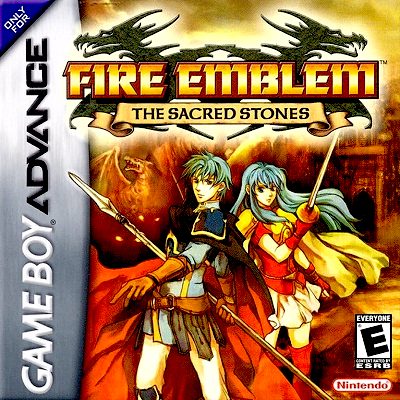
#18. – Fire Emblem: The Sacred Stones
The Game Boy Advance was the first system for which Nintendo finally localized their Fire Emblem. The Sacred Stones was the second to be translated, and it’s a doozy. It follows the series norms pretty closely, but at the same time, makes it more accessible to traditional role playing fans as well. This is a turn based strategy RPG, and a rather unforgiving one at that. You command a squad of units and move across a map divided into grids. When you come in range of an opponent you can attack. There’s a neat rock paper scissors mechanic in place with specific weapons being good against some while weak against others. The game is pretty hardcore in that if one of your characters dies they’re gone for good. The Sacred Stones makes things more accessible by allowing the player to actually explore.
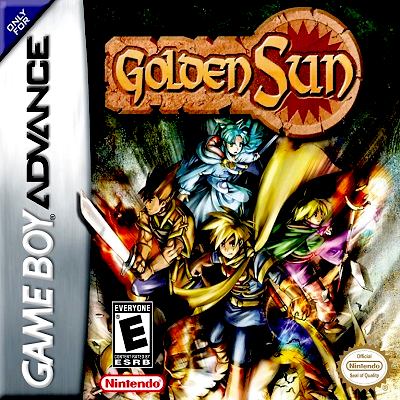
#17. – Golden Sun
You know, I just wasn’t the biggest fan of Golden Sun. I got it at launch and marveled in the graphics just like everyone else. It left me feeling empty though. The game is good no doubt, but it’s rather soul-less and lacks any real personality. That issue aside, Golden Sun is a pretty enjoyable RPG. The game took advantage of the GBA hardware to allow for shifting camera perspectives, and used mode 7 graphics for the world map. It felt next generation alongside other RPGs on the hardware. On top of that it has some clever puzzle designs. Your characters each have magic abilities that can be used outside of battle. The game leans heavily on this for the puzzle aspect. Golden Sun may be overly easy, and more flash than substance, but I’ll be darned if it isn’t one of the best RPGs of all time.
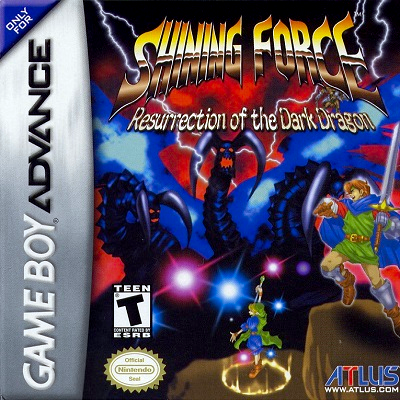
#16. – Shining Force: Resurrection of the Dark Dragon
I was looking forward to SNES RPG ports on the GBA, but I didn’t even take into mind Sega Genesis games. Shining Force: Resurrection of the Dark Dragon is a full blown remake of the original Shining Force. That’s good because this ugly game needed a facelift. Shining Force: Resurrection of the Dark Dragon is fantastic. That’s easy when the original release is such a high quality classic. This turn based strategy game has you guiding a diverse lineup of fighters across a grid based battlefield as you defeat all foes. The battle system is fun, functional, and allows for a lot of strategy. What’s more is that this remake has additonal content. There are new characters, and additional battles to experience. Even the story was improved here. If you’re a first timer to the series this is an excellent starting point.
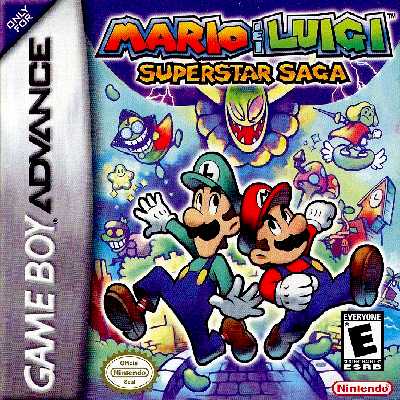
#15. – Mario & Luigi: Superstar Saga
I was a huge fan of Super Mario RPG on the Super Nintendo. With that said I haven’t been able to get behind role playing games based on Nintendo’s poster boy since then. Mario & Luigi is good, but it isn’t great. It always felt off that Nintendo gave us another RPG when we already had Paper Mario. Regardless the game is pretty good. Superstar Saga stars both Mario and Luigi as they go on a quest to restore Princess Peach’s voice. This takes them to the Beanbean Kingdom. Gameplay is focused on controlling both plumbers in tandem. The A button controls Mario, while B is set to Luigi. You can of course reverse the order which only serves to make things more confusing. Battles are played out almost entirely based on timing. This was fun but honestly I hoped for a more traditional RPG experience. Mario & Luigi is bonkers.
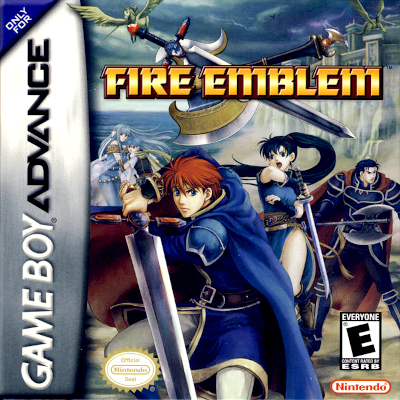
#14. – Fire Emblem
This was the first time English speakers could actually play Fire Emblem. Nintendo finally localized one of them with this release. It wasn’t a moment too soon either. Fire Emblem is a turn based strategy RPG of the most hardcore kind. The gameplay is strictly two dimensional as you move characters across grid based battlefields. You have a wide range of characters at your disposal. This is where the strategy elements come in to play. Everyone has a different range of movement, as well as weapons that they can use. There’s a pretty standard rock paper scissors mechanic in place. It’s an interesting idea, and adds several layers of strategy in character movement and placement. Gameplay can be pretty stressful in that characters can die permanently if they perish on the battlefield. While it makes the game more frustrating I can appreciate the fact that it alters how you play.
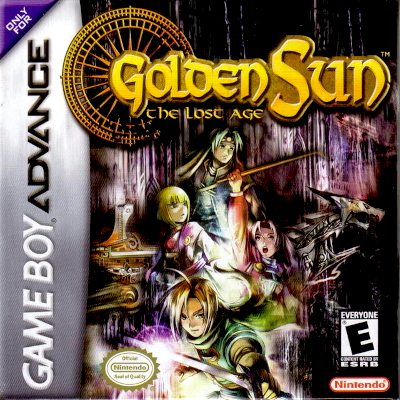
#13. – Golden Sun: The Lost Age
I might not have much love for the original Golden Sun but it’s sequel is a certified classic. The battle system is identical, as are the graphics. It’s the gameplay scenarios in this one that propel it above the original. What’s really interesting is that via a password system this game can communicate with your save file from the original. This means levels and items are carried over which is pretty cool if you ask me. This title has the better story, more interesting gameplay, improved dungeons, and more. It’s unfortunate that the two games are so closely connected because if it was up to me I would have everyone start with the Golden Sun: The Lost Age. The game is that much of an improvement. The Lost Age is easily one of the best GBA RPGs of all time and no list would be complete without this one.
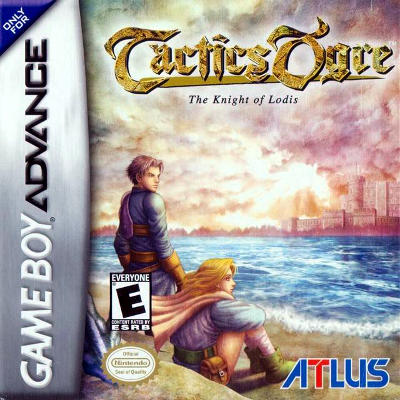
#12. – Tactics Ogre: The Knight of Lodis
Now this is more like it. Rather than porting a game in their existing Tactics Ogre series developer Quest instead made an original side story. What’s more is it plays on the hardware’s strengths. Knight of Lodis is actually a prequel to Ogre Battle. The game has a more approachable story than the others. It’s more fun and lighthearted which is a major plus. Gameplay is pure Tactics Ogre but with some really nice changes. I enjoyed all of the new troop types, and the more refined gameplay makes the complicated mechanics easier to stomach. Tactics Ogre: The Knight of Lodis is easily one of the best games in the franchise. It also doesn’t hurt that this is one of the prettiest games on the GBA. If you’re looking for a portable strategy RPG than Knight of Lodis is the best choice.
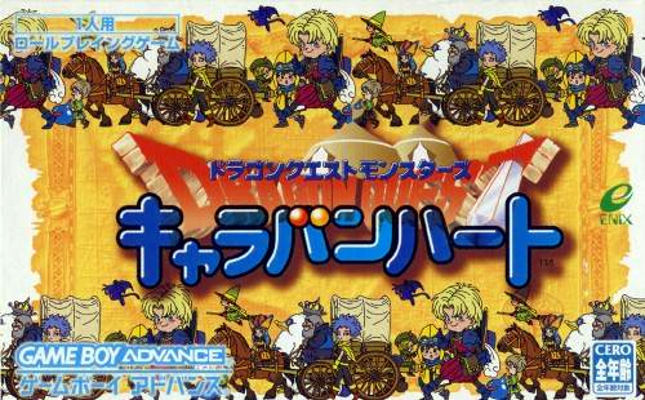
#11. – Dragon Quest Monsters: Caravan Heart
Pokemon clones are pretty common these days. In the early 2000s they were just hitting their stride. The Dragon Quest Monsters series is undoubtedly one of the best and highest quality clones. Enix gave the GBA just one update to the franchise in the form of Caravan Heart. Here you play as Kiefer. You may remember him as being one of the main characters in Dragon Quest VII. The adventure starts as he is transported to a new and fantastical world far removed from that of the original game. The premise is pretty much the same as the other Dragon Quest Monsters titles. You collect monsters and battle with them instead of using the scenario based characters. It’s also possible to level up and breed these guys to assimilate a powerful team of monstrous baddies. The major new upgrade is the fact that you can use humans in your party, and there’s an in depth job system in place for them.
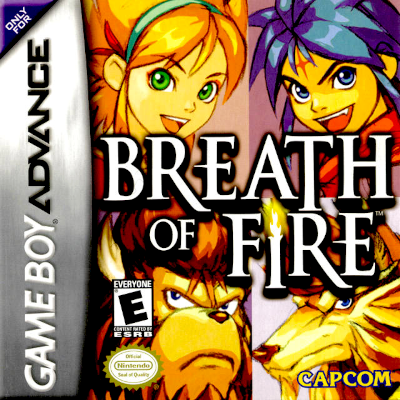
#10. – Breath of Fire
The original Breath of Fire was absolutely one of the best and most underrated RPGs on the SNES. It’s largely the same story here on the Game Boy Advance. Breath of Fire harkens back to the simple days of role playing games. You have a party of up to four different characters, and take turns inputting commands and watching actions being carried out in battle. The highlights here are in the main character’s dragon abilities. The soundtrack and graphics are also amazing. Some changes were made for this port, and most were for the better. The interface was upgraded and is easier to manage. There’s also a handy dash button which lets you move faster outside of battle. Unfortunately the soundtrack has taken a hit, but it’s still decent. This version of Breath of Fire is easily one of the best GBA RPGs.
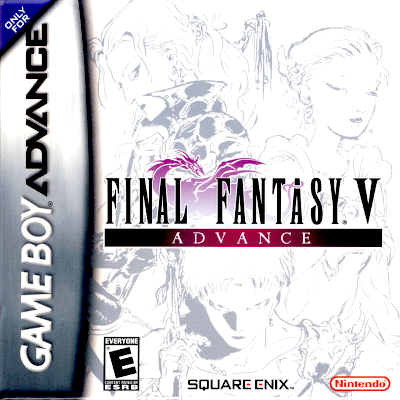
#9. – Final Fantasy V Advance
Here’s another SNES port, but this one has some fantastic enhancements. It’s also the first time a standalone version of Final Fantasy V was localized for North America. Up until the GBA release we were stuck with the okay but not great port on the PS1. Final Fantasy V Advance was a welcome addition to this library. The game itself is typical 16-bit Final Fantasy fare, but what made it so special is the job system. You can switch around each of your four party members to other jobs or classes. This affects their stats, abilities, and even the equipment that they can use. This opens up the door to a ton of different strategies. You’ll need to really explore this mechanic because Final Fantasy V is one of the more difficult games in the franchise. This GBA edition features a better script than the PS1 release, as well as additional jobs. These make the already amazing game even better.
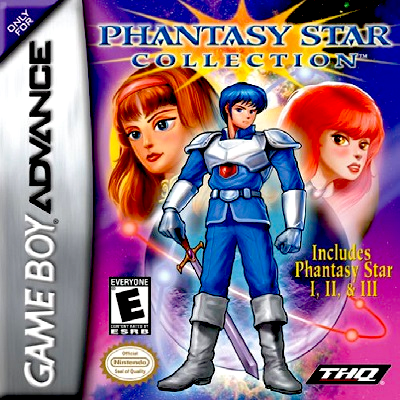
#8. – Phantasy Star Collection
Maybe I’m cheating by including a compilation. This one is so good it can’t be ignored. Phantasy Star Collection includes the first three installments in this classic Sega franchise. Why they didn’t also include part IV is beyond me. Hey, I’ll take what I can get when it comes to Phantasy Star. The ports were handled with decent care although there are almost no updates to them. Unfortunately these games are very difficult by RPG standards. They feature confusing labyrinths to navigate, and difficult battles within them. Phantasy Star II in particular is downright diabolical. I say that as someone who still thinks it’s one of the greatest RPGs of all time. Regardless the ports are of decent quality even if I did experience a few freezes during gameplay. More Phantasy Star, even ports, is never a bad thing.
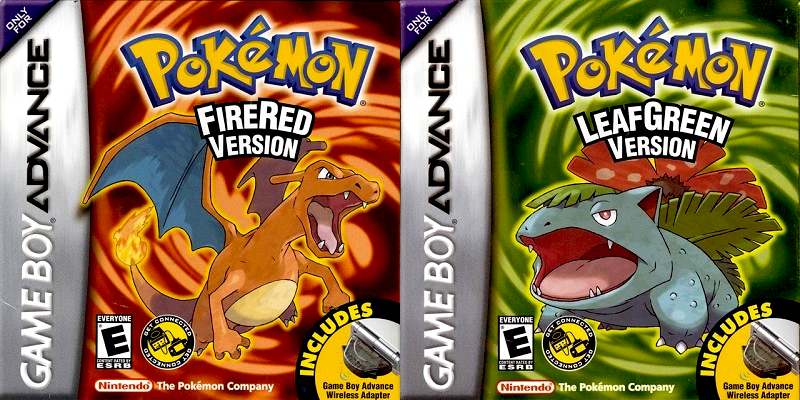
#7. – Pokemon Fire Red / Leaf Green Versions
The major problem with Ruby and Sapphire (the official third generation of Pokemon games) was that they weren’t backwards compatible with the original Game Boy games. This means you couldn’t trade or transfer your old pocket monsters to the new games. This was a major bummer. Instead of fixing the problem Nintendo instead released a remake of both versions of the original title. This added in the new types (steel and dark) as well as carrying over the new mechanics and rebalancing the third generation releases brought with them. It all runs on the Ruby/Sapphire engine too which is great. It was such a treat to return to the world of Kanto with a new coat of paint. The best part was these titles were compatible with Ruby and Sapphire. This means you could finally bring all of your Kanto Pokemon into the Hoenn. That fact alone was worth the price of admission.
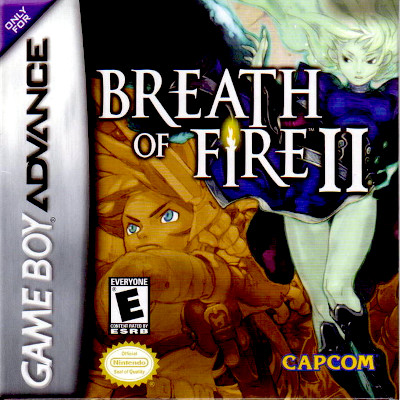
#6. – Breath of Fire II
The original Breath of Fire felt right at home on the GBA. It was a great game. It’s sequel however, was even better, and that too had a release for the platform. Breath of Fire II has a better storyline, a more interesting world to explore, and better combat. This GBA edition cleans up some of the bigger translation issues we had with the SNES release. There are also plenty of quality of life improvements as well. This includes the a dash mechanic for outside of battle, as well as a cleaned up interface. The trade off is a worse soundtrack. I’ll take it. While I found the basic interface to be improved the combat menu is less interesting in my opinion. It’s a fair trade off though. There’s a better story here than in the original, and the battle system is also much improved. Breath of Fire II is one of the best RPGs for any platform it releases on, and that’s also true of the GBA version.
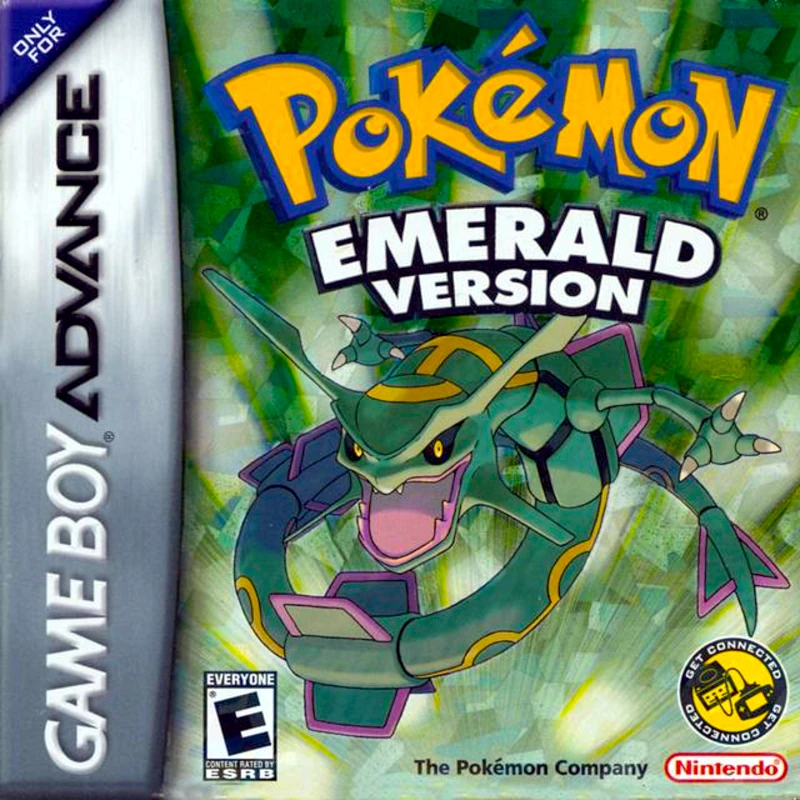
#5. – Pokemon Emerald Version
Pokemon Emerald is the classic third version game. It has additional content not found in Ruby and Sapphire, as well as a line-up of Pokemon that’s a mix of creatures from both editions. I debated including those here as well in my opinion Emerald renders them largely obsolete. Unless of course you want to catch them all. Emerald is pretty much all you need otherwise. The game still plays well even today. It’s the classic collect ’em all quest wherein you play as a young boy who sets out to defeat the elite four and become the new champion. This title introduced so many new interesting Pokemon with a variety of different type combinations. Abilities were also new and many of the classic critters were rebalanced. If you’re looking to play just one third generation Pokemon title make sure it’s this one.
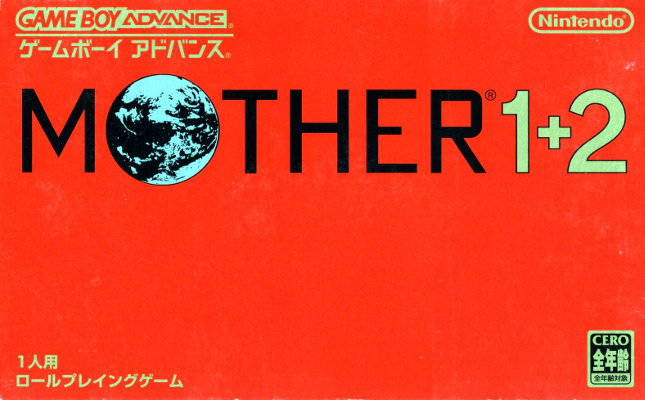
#4. – Mother 1 + 2
With the release of Mother 3 looming on the GBA Nintendo wanted to draw up some hype. They did so by re-releasing the first two titles in the franchise in one package, and on the same platform. Unfortunately this was only in Japan. While the original never made its way over here it has become famous worldwide with the leak of a prototype North American release. Mother 2 is Earthbound as we know it here. These two games use a very alternative style as far as RPGs are concerned. Both of them are weird. They take place in the mid 19th century in the United States. Everything is super goofy though as you battle lamps and various animals instead of monsters. Both games are unforgettable, and simply amazing. Despite appearing light hearted they have really haunting stories that will stick with everyone who plays them. These games are amazing and the GBA ports are great.
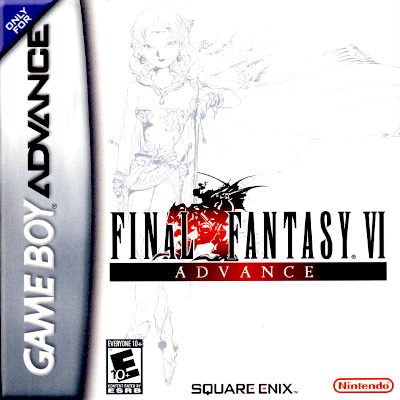
#3. – Final Fantasy VI Advance
Originally this game was released on the Super Nintendo as Final Fantasy III. We later learned it’s actually the sixth installment. Oh Squaresoft. The game had an amazing and rather unconventional storyline. Themes explored here the apocalypse and hopelessness. It’s a rather dark game overall. Besides that, and a non-linear approach to the second half of the story, Final Fantasy VI is a pretty typical Japanese style RPG. It’s most interesting point is the large cast of characters. This game has no main protagonist. Instead you could choose who you wanted to use in battle for much of the quest. They all learn the same magic, but have different abilities and equipment. This Advance version added a few things to the mix. On top of the always welcome dash mechanic you also had several new espers which granted new abilities. The translation is also better in many ways.
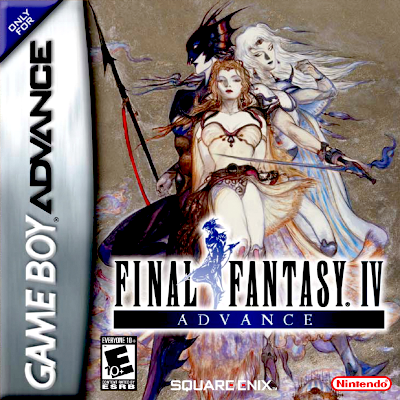
#2. – Final Fantasy IV Advance
I’ll start this one off by saying that Final Fantasy IV is my favorite video game of all time. On the Super Nintendo we saw it released as part II. At the time we didn’t know better. I absolutely love the story and the combat system. The way your party is pre-determined forces the player to work within tighter confines. It was always really interesting to me. This port has additional content, and even let’s you customize your party from all characters that previously joined. That’s true only when you reach the last leg of the game though. Unfortunately the GBA version has a few technical problems. For example the ATB system is glitched. Turns will come up at random times and the bars almost seem to freeze at times. Despite this the game is still one of the best GBA RPGs.

#1. – Mother 3
If you’re talking about GBA RPGs then there’s no avoiding Mother 3. This title was originally slated for the Nintendo 64, but faced problems during development. It was eventually cancelled. The developers took the story and gameplay mechanics they had in mind and made it into a 2D title for the Game Boy Advance instead. The result is nearly perfect. Few video games have ever made me cry from mere storytelling. Mother 3 is one of them. On top of the touching and unforgettable plot you also have a functional and very fun combat system, as well as excellent graphics and an amazing soundtrack. I completed it years ago and still think about Mother 3 frequently. It’s really that good. The fact that it was never released outside of Japan is a downright travesty. Thankfully it has been translated by fans, but the fact that Nintendo ignores this one is downright criminal.
